Project Overview
Client Information
Company
MACOD SAS
Location
Ecuador
Industry
Transportation & Logistics
Challenge
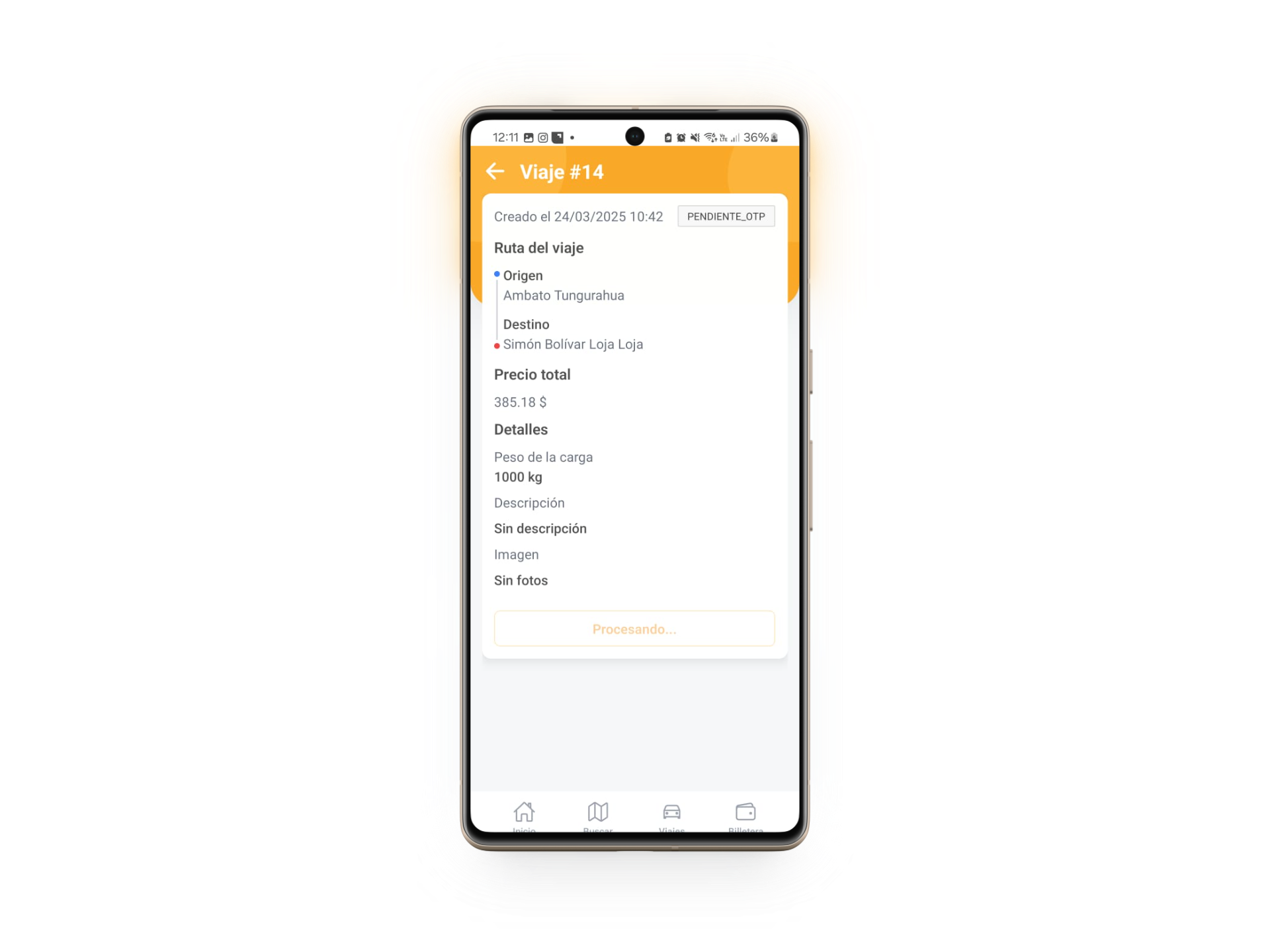
The informal heavy cargo transport process lacked transparency and security, and there was low trust in digital platforms for high-value shipments.
Key Benefits Delivered
Direct connections between shippers and verified carriers
Accurate geolocation with Google Maps SDK
Dynamic price negotiation with clear rules
Smart cargo-to-vehicle matching by capacity and availability
Real-time tracking optimized for battery use
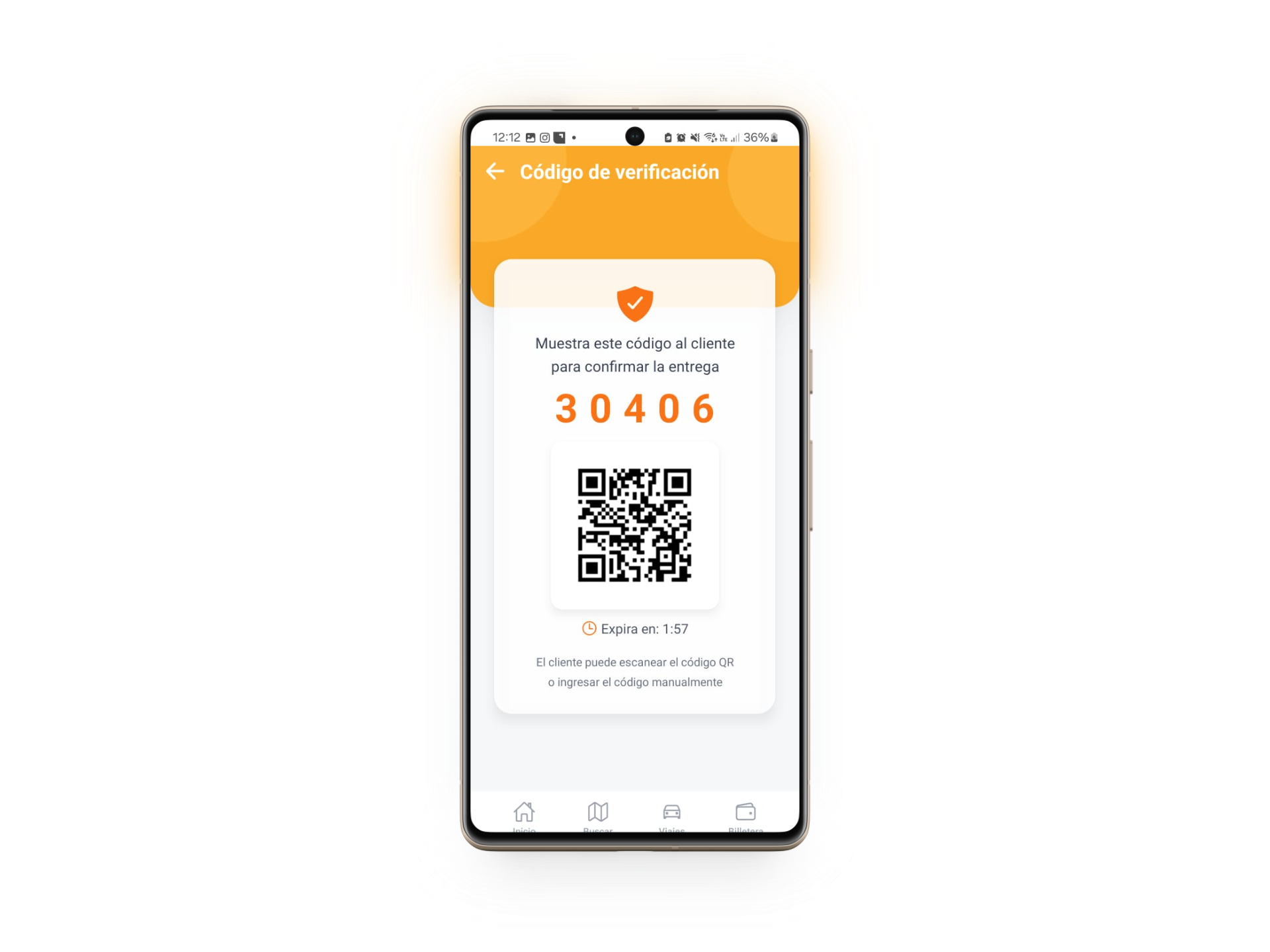
Secure delivery verification via OTP/QR
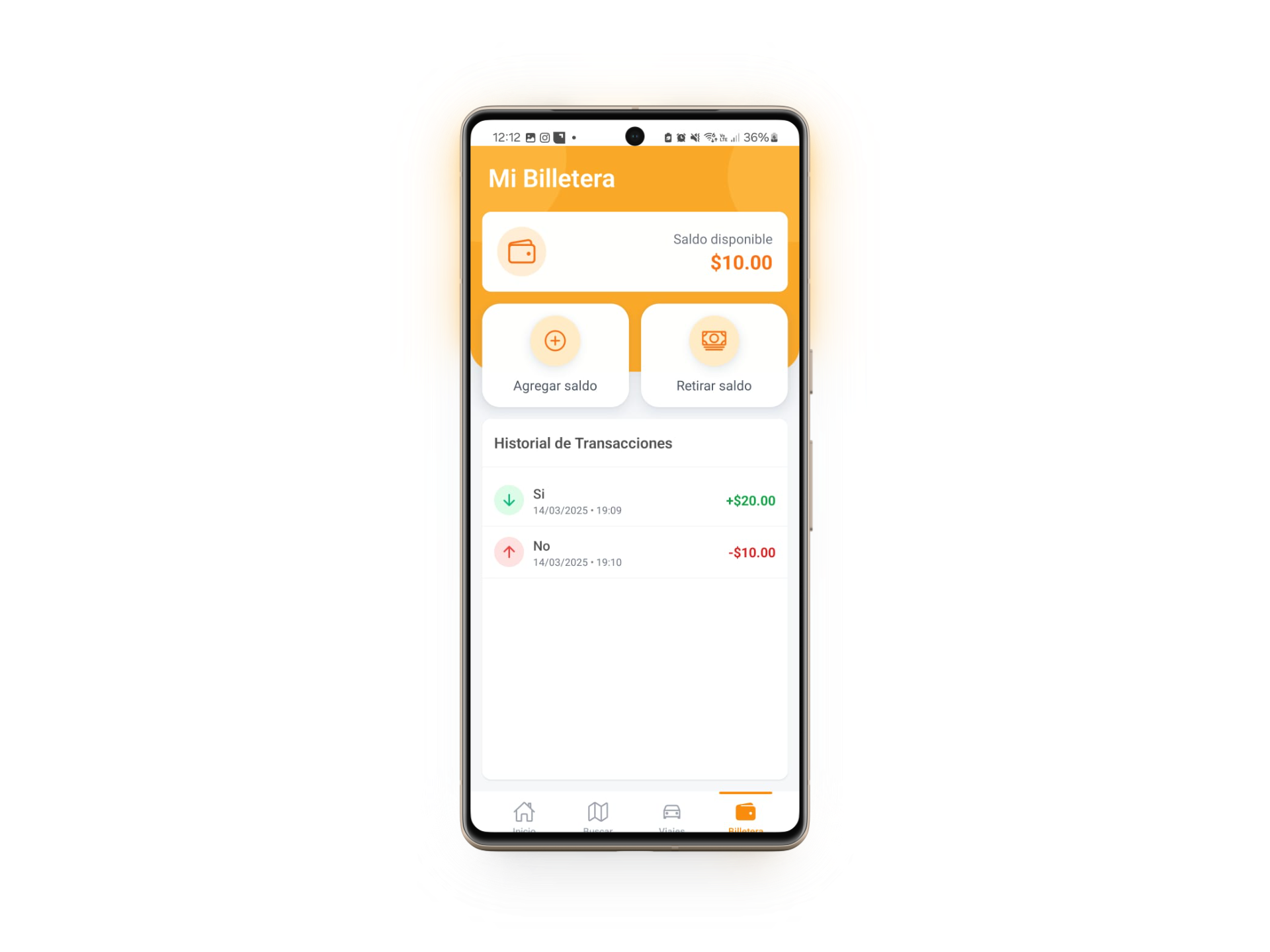
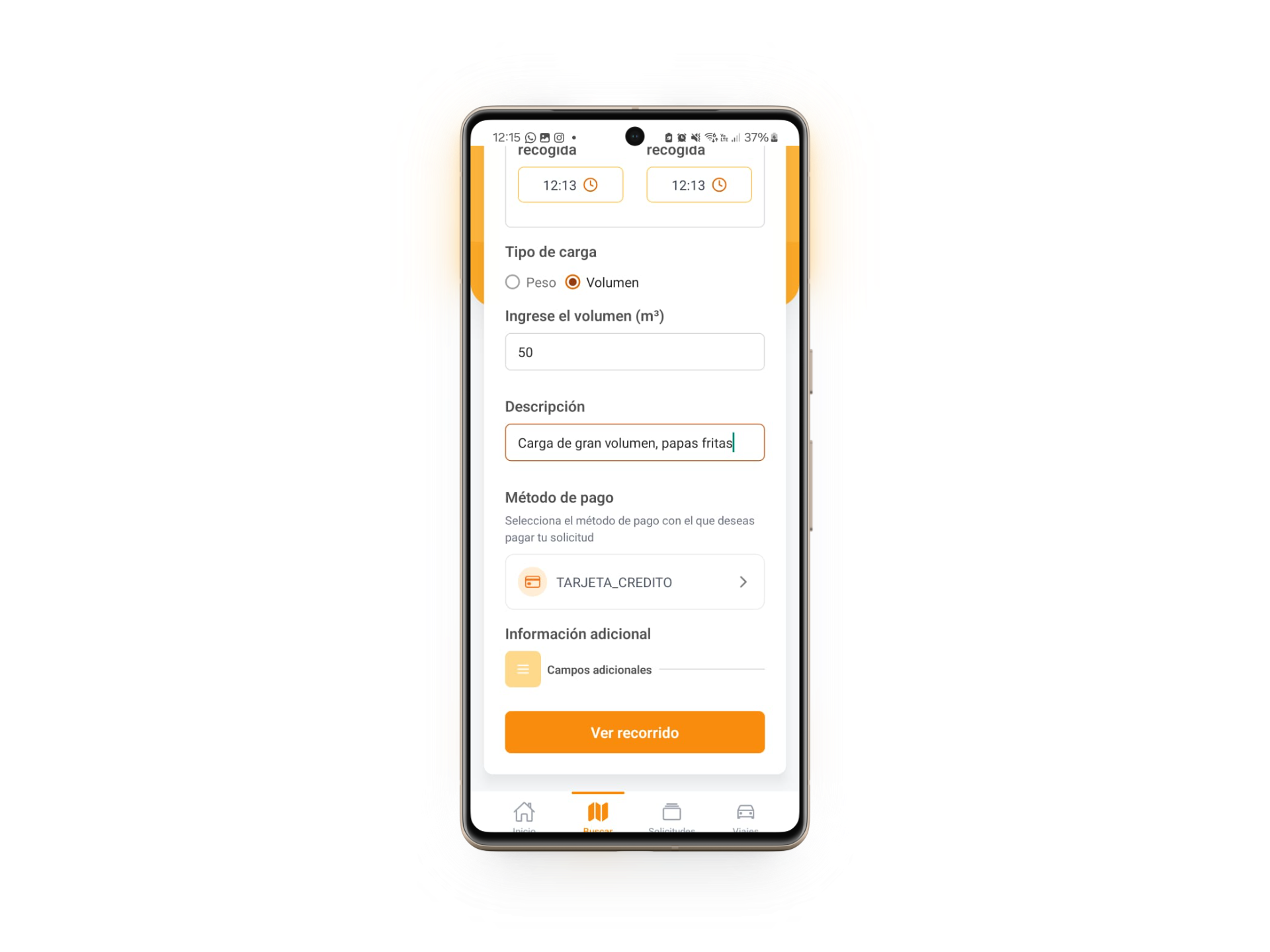
Integrated payments with full traceability
Key Features
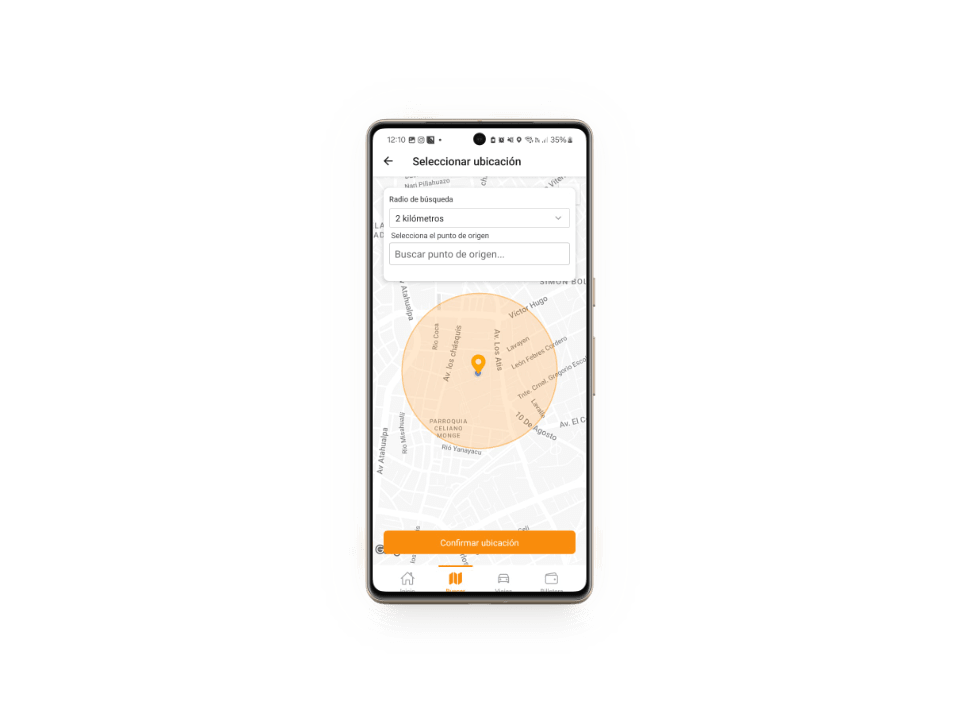
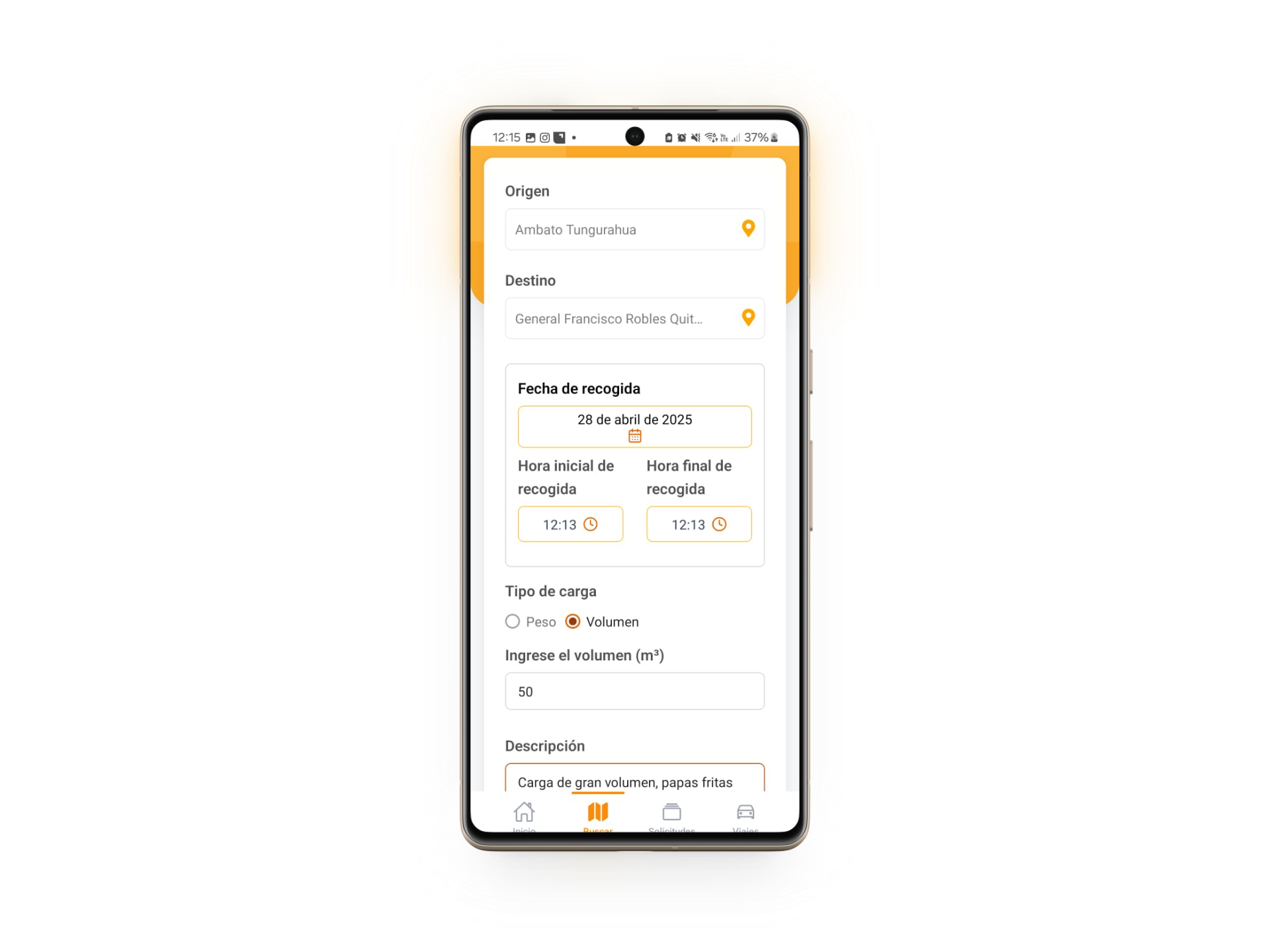
Location-Based Services
Google Maps integration for selecting pickup/delivery points, route visualization, and ETA estimation.
Address search or map pin drop
Route display and time/distance estimate
Geofence notifications
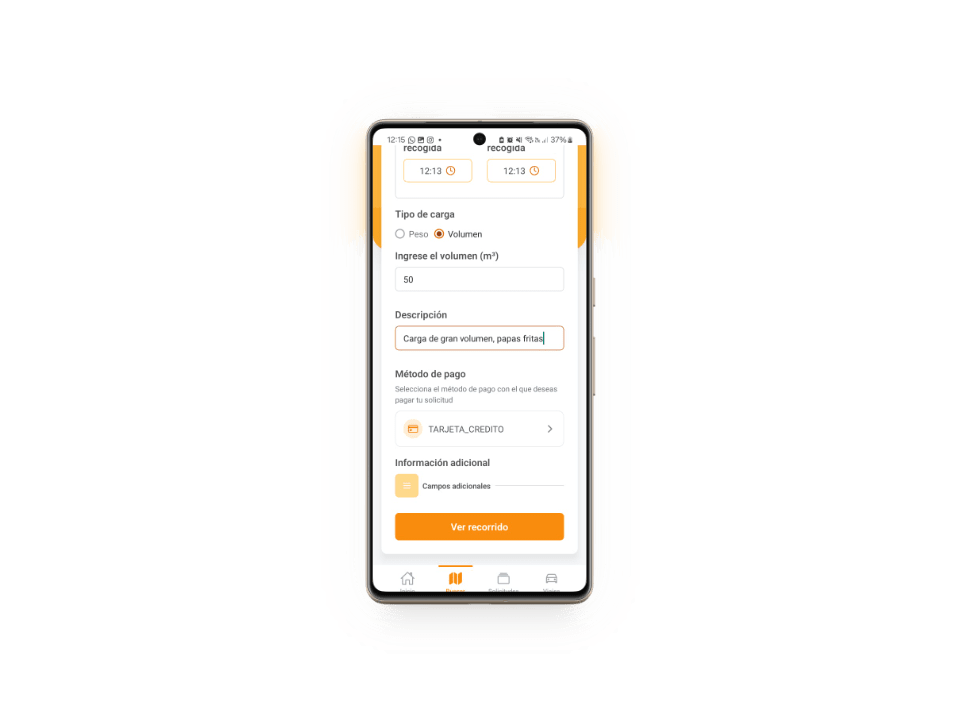
Intelligent Matching System
Algorithm matching shippers with carriers based on proximity, vehicle capacity, and availability.
Filter by vehicle type and capacity
Configurable radius search
Driver verification checks
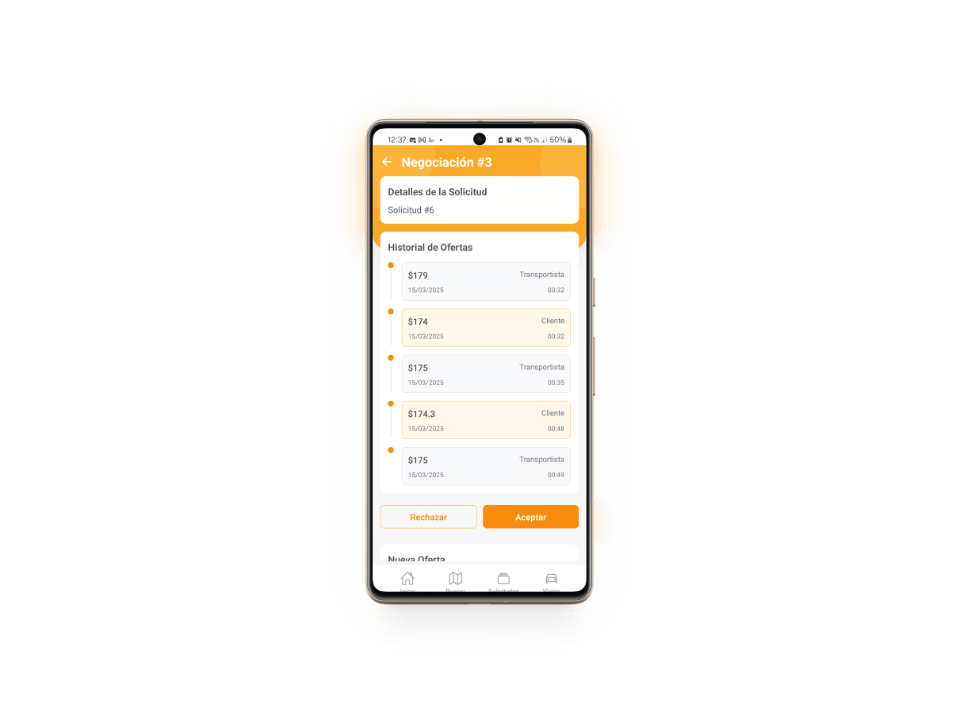
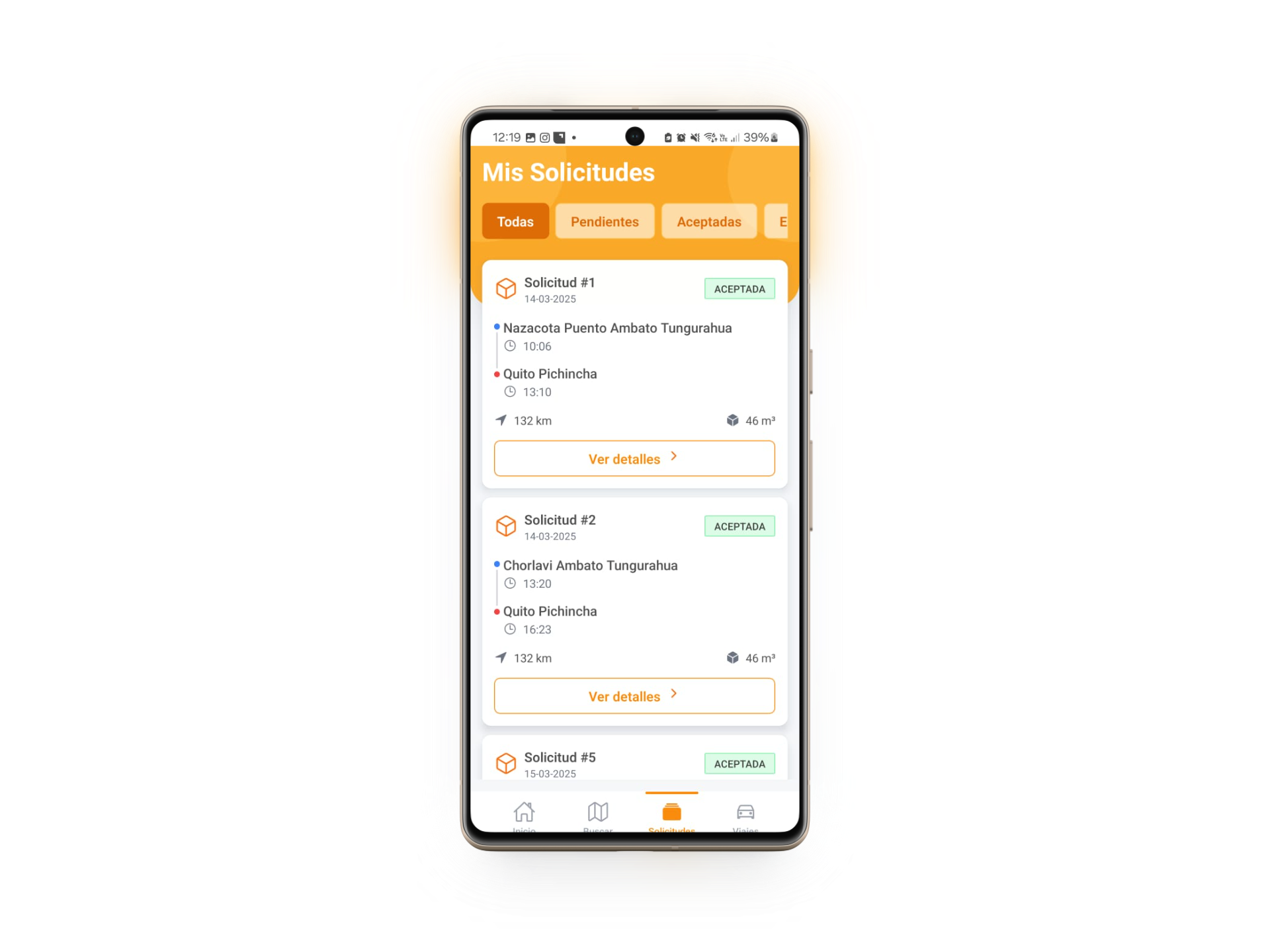
Price Negotiation
Offer/counter-offer workflow with limits and real-time notifications.
Transparent fare calculation by distance and load
Limited negotiation rounds for quick decisions

Tracking & Verification
Continuous shipment tracking and secure delivery confirmation via OTP and QR.
Background GPS tracking
Short-lived OTP for delivery
Project Gallery
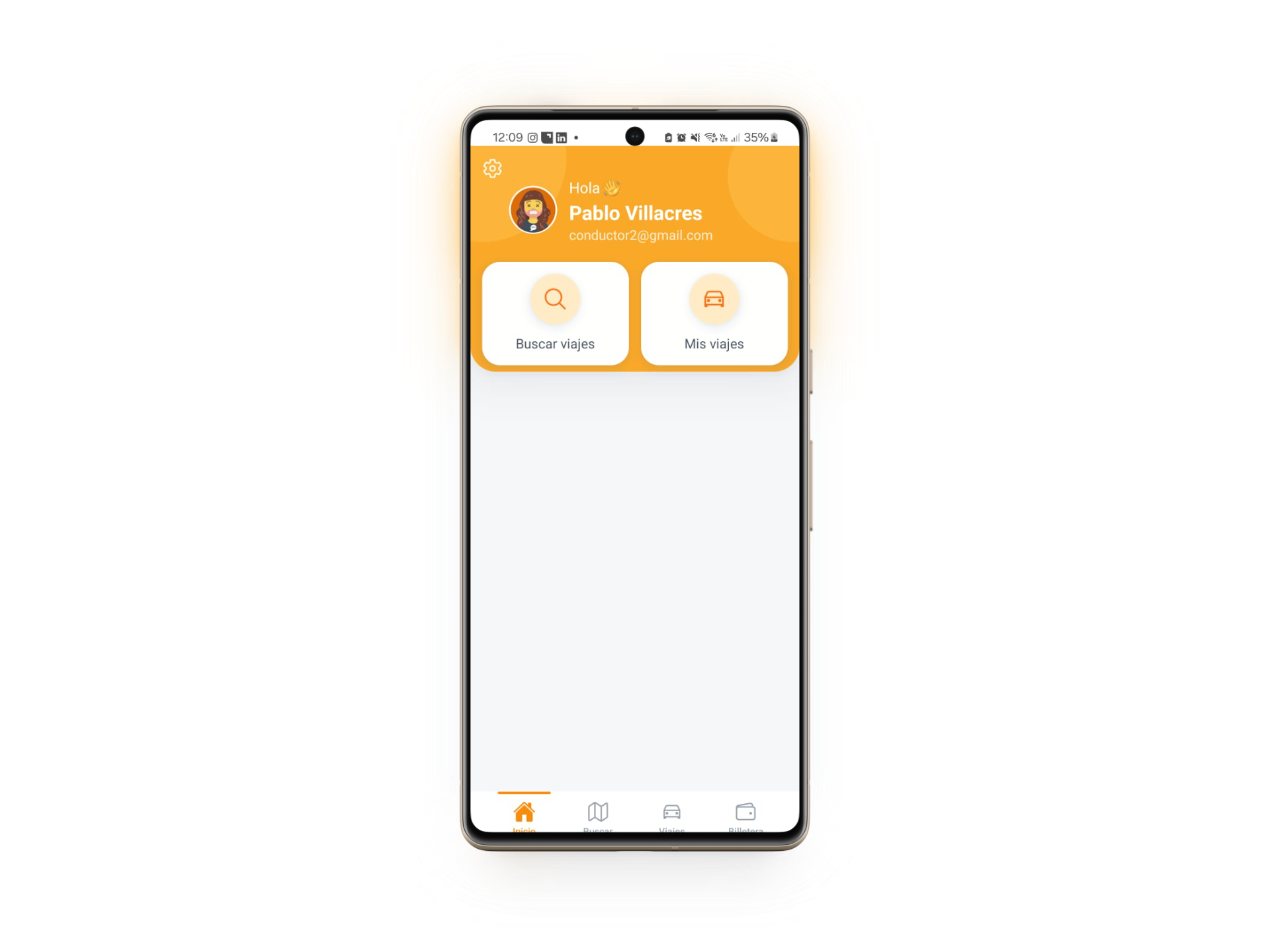
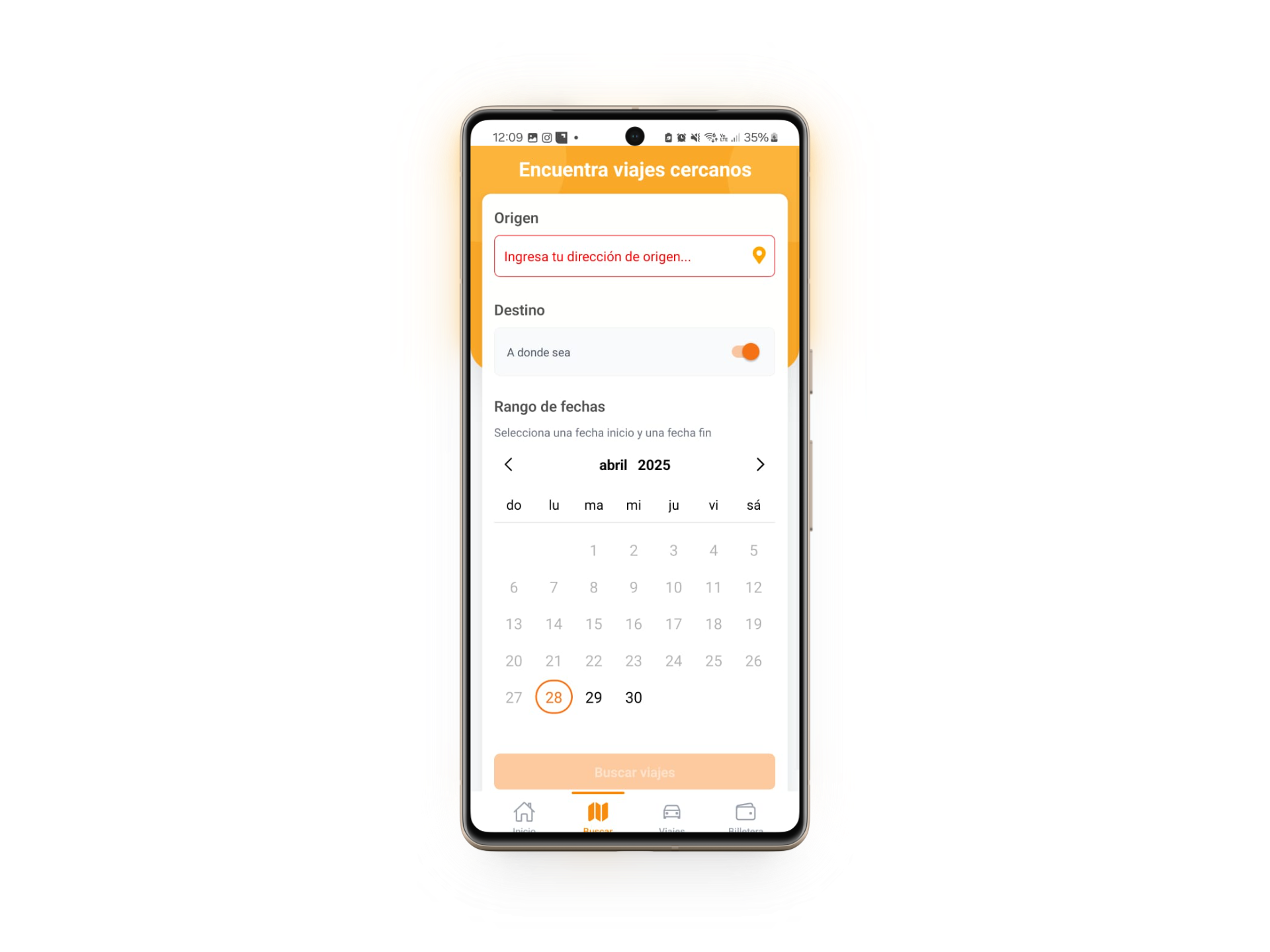
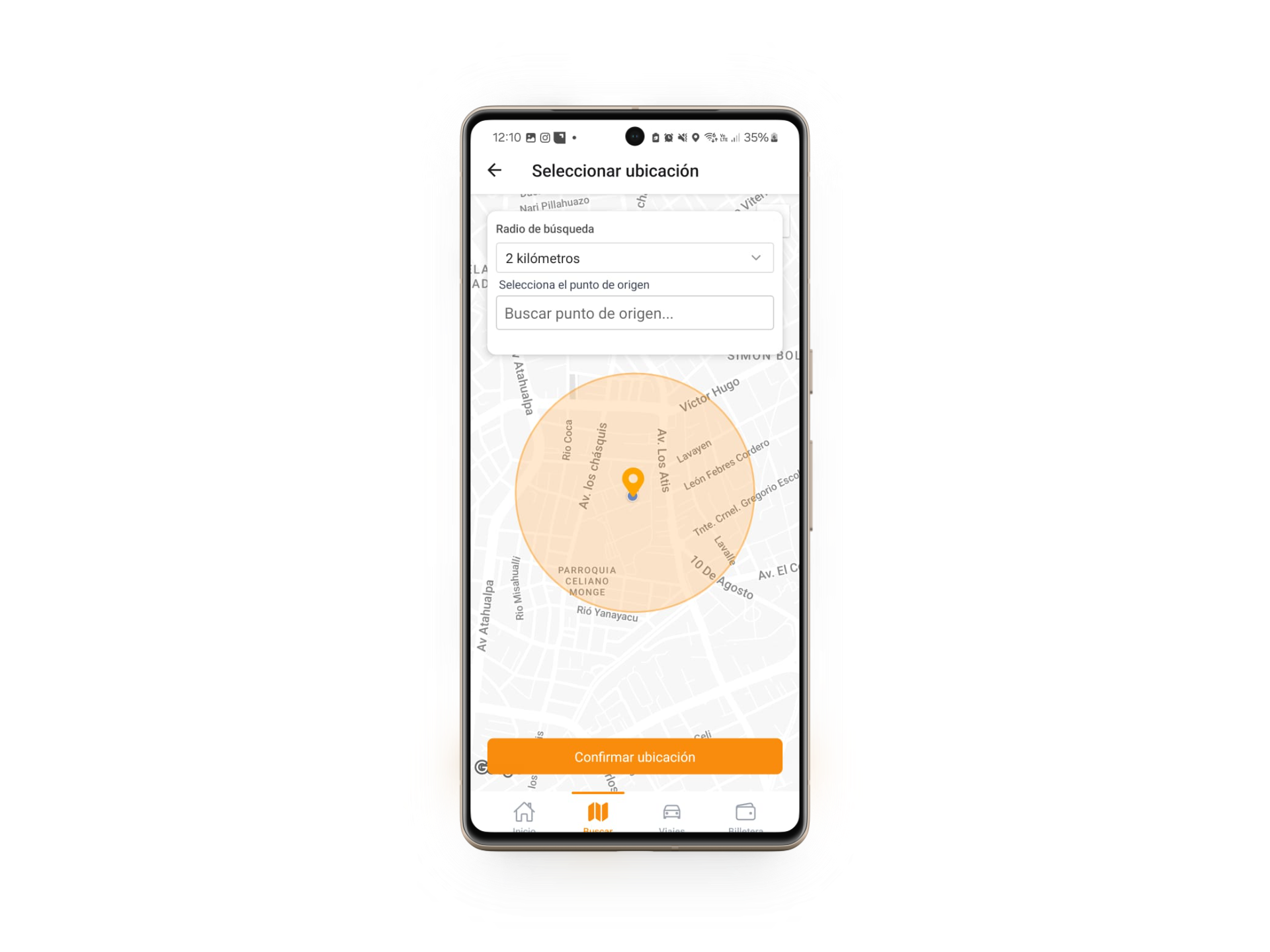
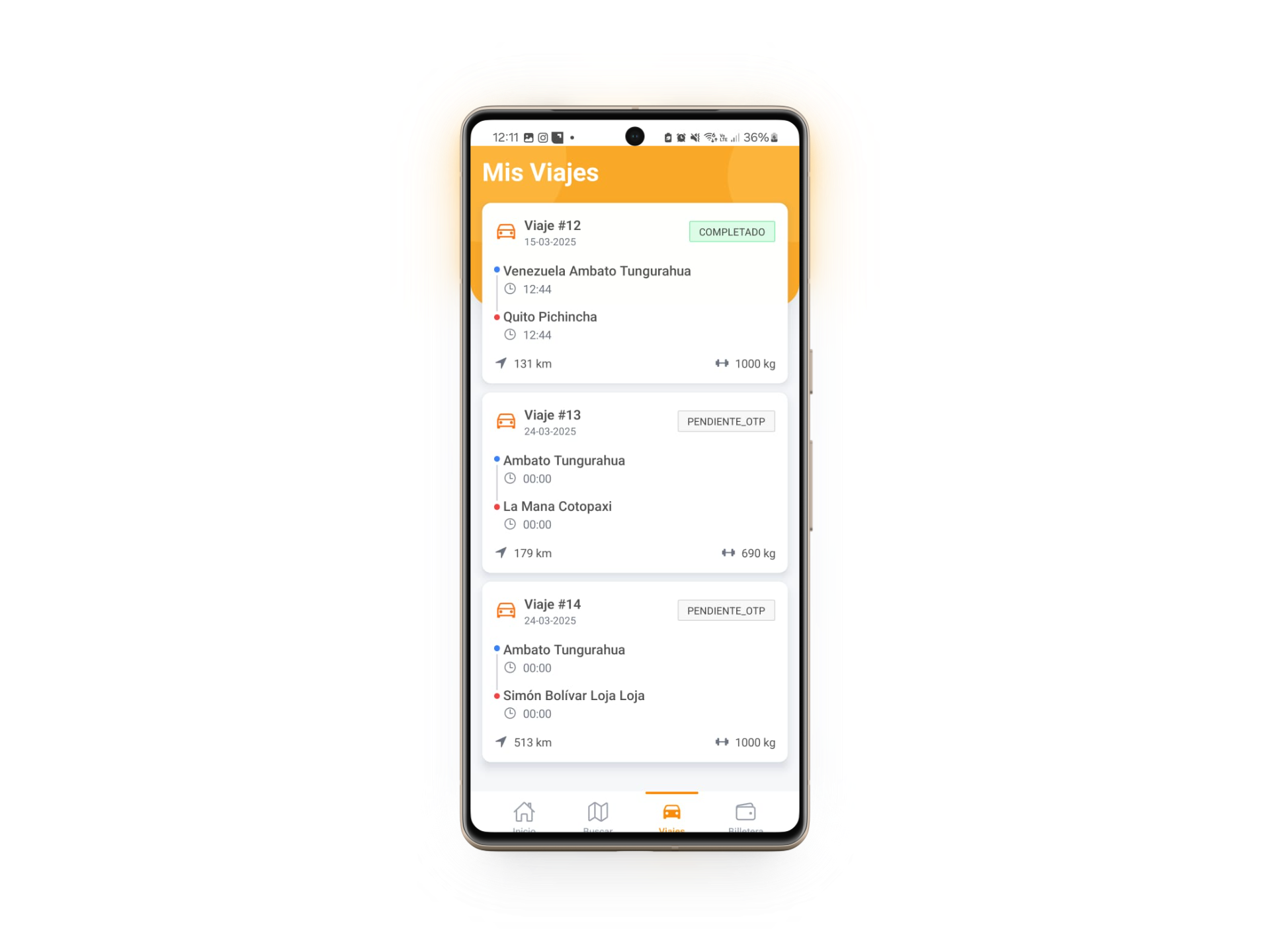

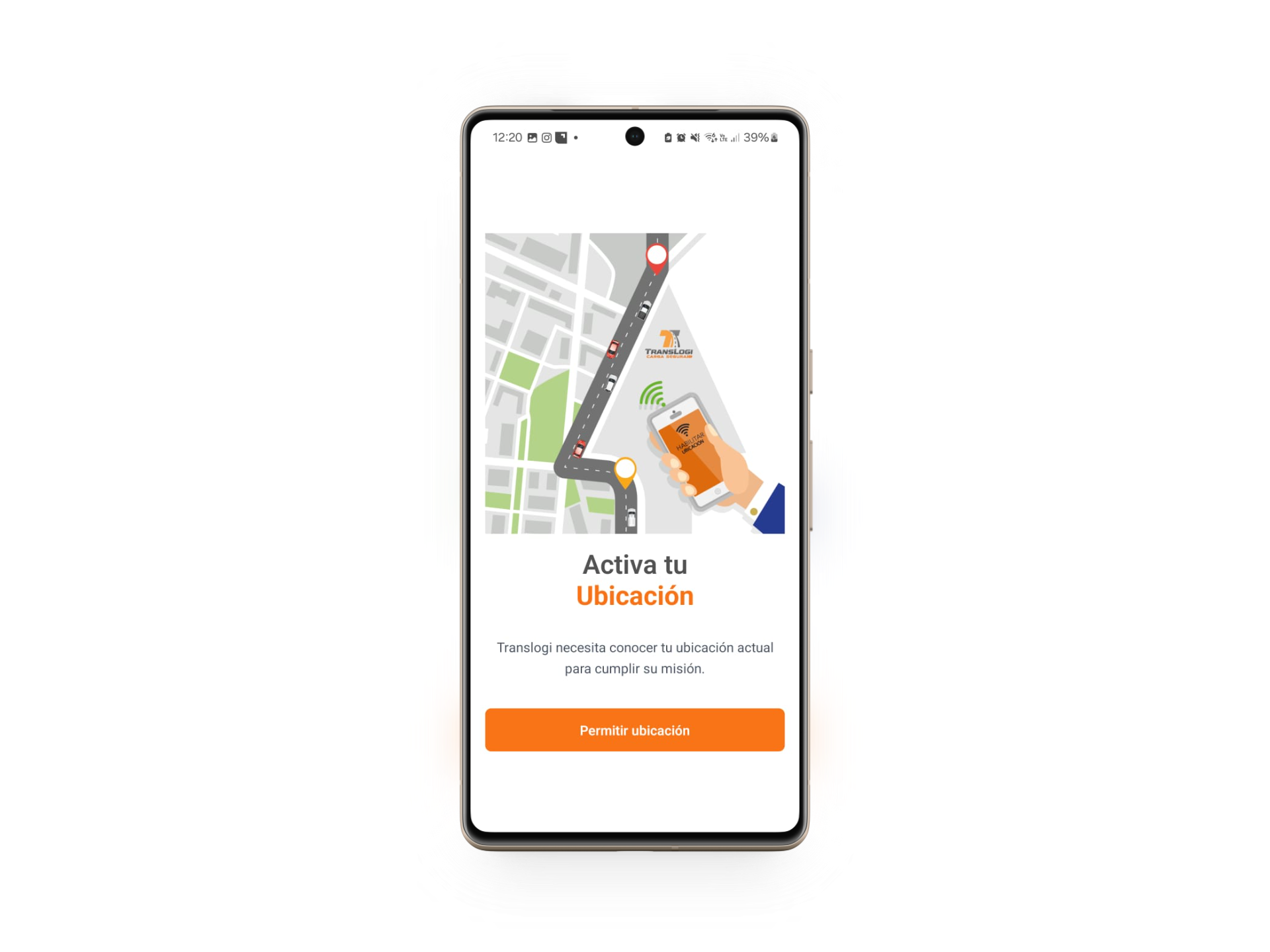
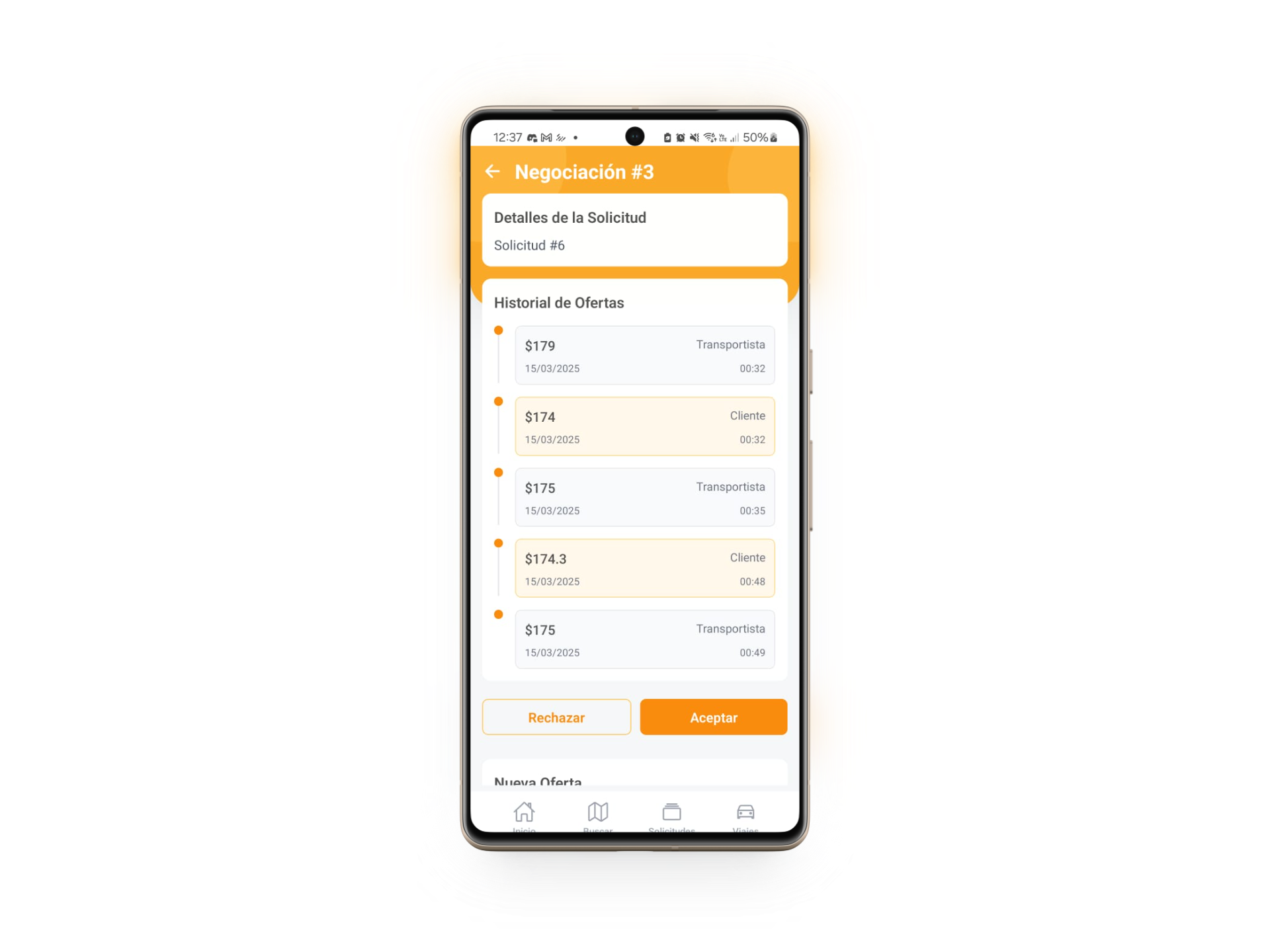
1 / 15
Team & Role
Technical Project Lead
Small team of 3: fullstack technical lead, mobile developer, and backend developer.
Responsibilities
Lead architecture and technical coordination
Define data schemas and API design
Set development standards and workflows
Oversee frontend and backend implementation
Maintain client communication
Key Achievements
Core architecture delivered within tight MVP timeline
Critical modules (negotiation, geolocation, tracking) launched in production
Established documentation and practices for maintainability
Functional MVP validating business model
Team Members

Pablo Villacrés
Technical Project Lead
- Architecture design
- Client liaison
- Development of key features

Frontend Developer
Mobile App Specialist
- Mobile UI implementation
- UX testing

Backend Developer
API Developer
- Endpoint implementation
- Database schema
- Security integrations
Technical Stack
Frontend Technologies
React Native
Cross-platform mobile app framework
TypeScript
Static typing for robustness
Expo
Simplifies React Native development
Gluestack UI
Customizable UI components
Zustand
Lightweight state management
React Hook Form
Efficient form handling
TanStack Query
Data fetching and caching
Google Maps SDK
Location and mapping services
Backend Technologies
NestJS
TypeScript-based backend framework
Prisma ORM
Type-safe database toolkit
PostgreSQL
Reliable relational database
PostGIS
Spatial queries and indexing
JWT
Token-based authentication
Socket.io
Real-time event communication
Zod
Schema validation in TypeScript
Cloudinary
Media and file management
DevOps & Infrastructure
Docker
Containerization for consistent deployment
GitHub Actions
Automated CI/CD pipelines
Neon PostgreSQL
Serverless PostgreSQL service
Challenges & Solutions
Map Integration & Performance
Excessive re-renders when moving markers caused poor UX and lag.
Solution
Implemented a fixed-center pin with the map moving underneath, reducing renders and improving fluidity.
Geospatial Search with PostGIS
Needed efficient proximity queries using spatial indexes for driver discovery.
Solution
Built location service with ST_DWithin queries plus caching and debouncing for fast responses.
Background Tracking
Maintain location updates without draining battery across various devices.
Solution
Used Expo TaskManager with adaptive intervals based on speed, balancing accuracy and power use.
Negotiation System
Complex business rules for offer/counter-offer with role-based limits.
Solution
Developed server and client logic enforcing price ranges and real-time updates via WebSockets.
Secure Delivery Verification
Generate and validate short-lived OTPs reliably even with intermittent connectivity.
Solution
Implemented OTPs valid for a brief window with in-app/email delivery and QR fallback, plus automatic cleanup.
Learning Outcomes
New Skills Acquired
Technical Leadership
Coordinating a small fullstack team and aligning stakeholder expectations in a mobile project.
- Prioritizing tasks and timelines
- Translating requirements into technical deliverables
- Managing end-to-end development
Mobile Development with Expo
Deep expertise in React Native, background services, and performance optimization.
- Background location tracking
- Cross-platform UI optimization
- Handling Expo limitations
Location Services
Advanced geospatial integration and proximity algorithms.
- Google Maps SDK on mobile
- PostGIS queries with caching
- Geofencing and power management
Technical Lessons
Architectural Preferences
Evaluated patterns (DAO vs hexagonal) for maintainability and clarity.
- Balancing complexity vs simplicity
- Clear domain separation
Requirements Engineering
Importance of deep questioning and clear documentation with non-technical clients.
- Validating assumptions
- Presenting options with pros/cons
Mobile-First Development
Adapting UX and state management to mobile constraints and patterns.
- Optimizing for low resource use
- Handling intermittent connectivity
Real-Time Systems
Managing WebSocket connections and state sync in mobile environments.
- Connection/reconnection handling
- Data transfer optimization
Areas for Improvement
Time Estimation
Include additional buffers when planning third-party integrations.
Expectation Management
Communicate feature complexity and timeline impacts clearly to clients.
Technical Documentation
Expand architecture documentation to support onboarding and handover.
Test Coverage
Allocate sufficient time for testing critical components in future projects.