
Project Overview
Client Information
Company
Technical University of Ambato (FISEI)
Location
Ambato, Ecuador
Industry
Higher Education
Challenge
Administrative staff struggled with manual document handling, outdated workflows, and data inconsistency across departments. Previous systems (V1 and V2) were limited in flexibility and scalability.
Key Benefits Delivered
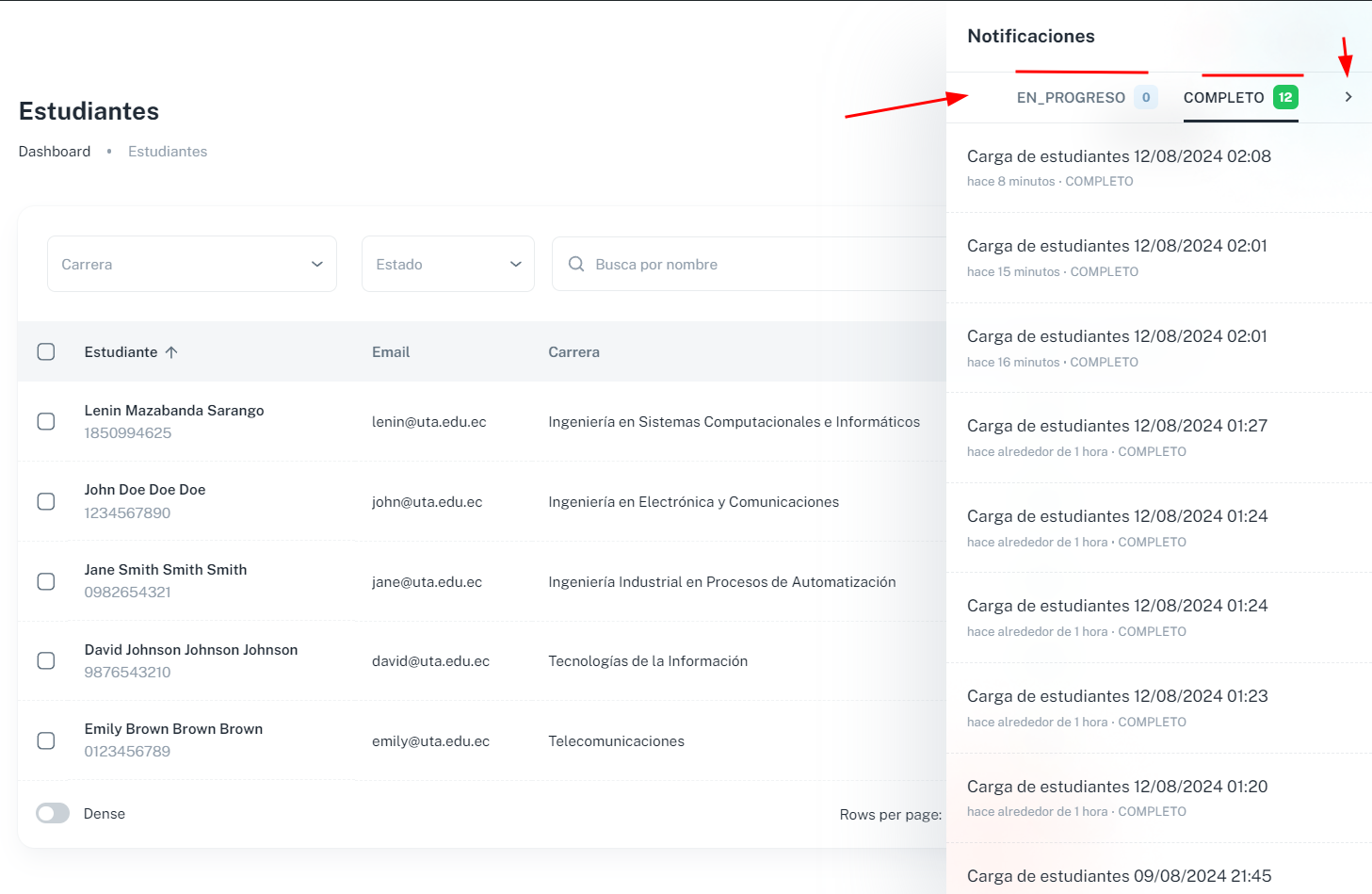
Automated document generation with bulk data imports
Centralized student records with role-based access
Standardized Google Drive document structuring
Simplified degree certification workflows
Full process traceability from registration to document delivery
Key Features
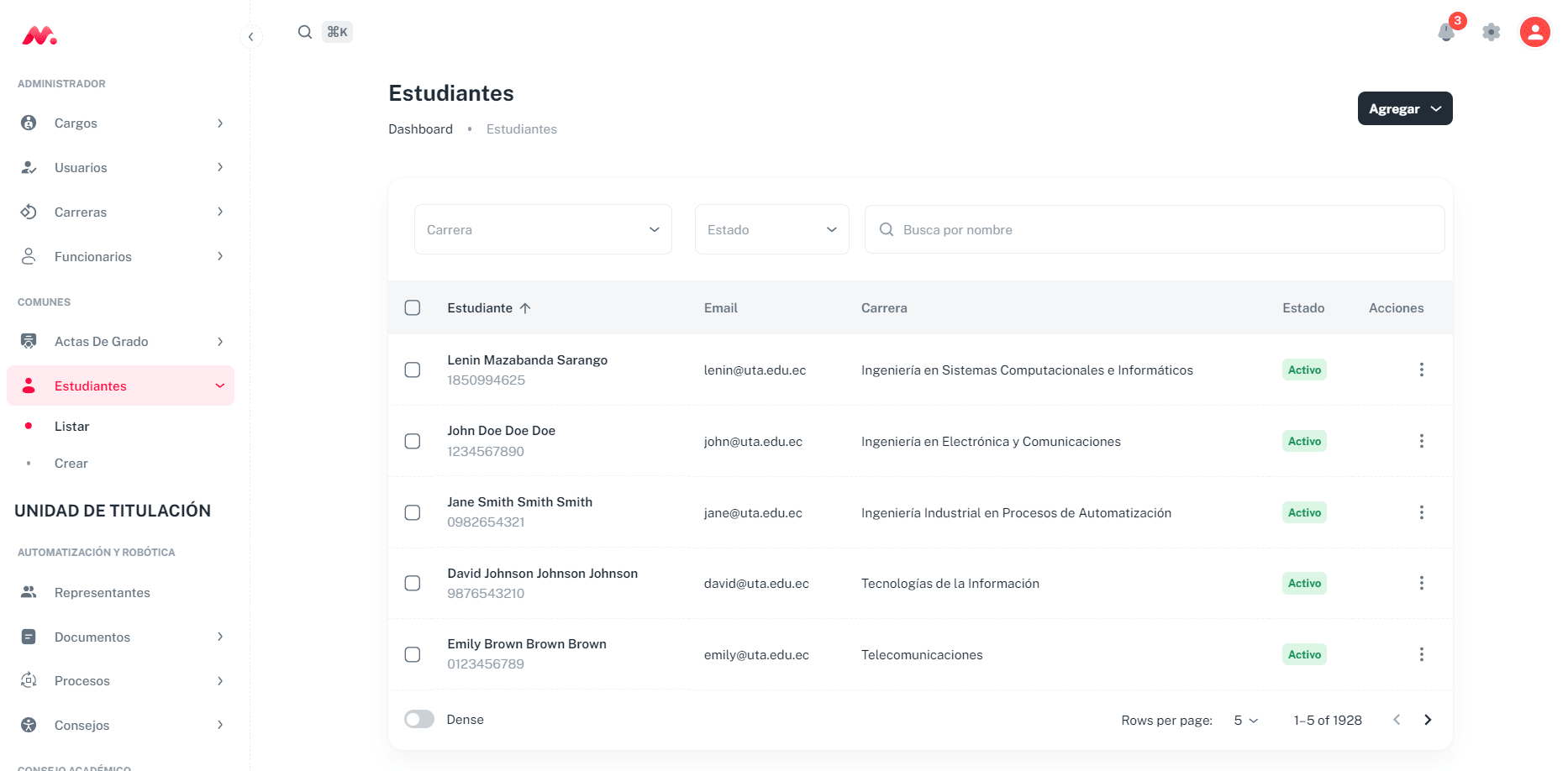
Student Management System
Tracks student academic progress and personal data with automated data import and historical records.
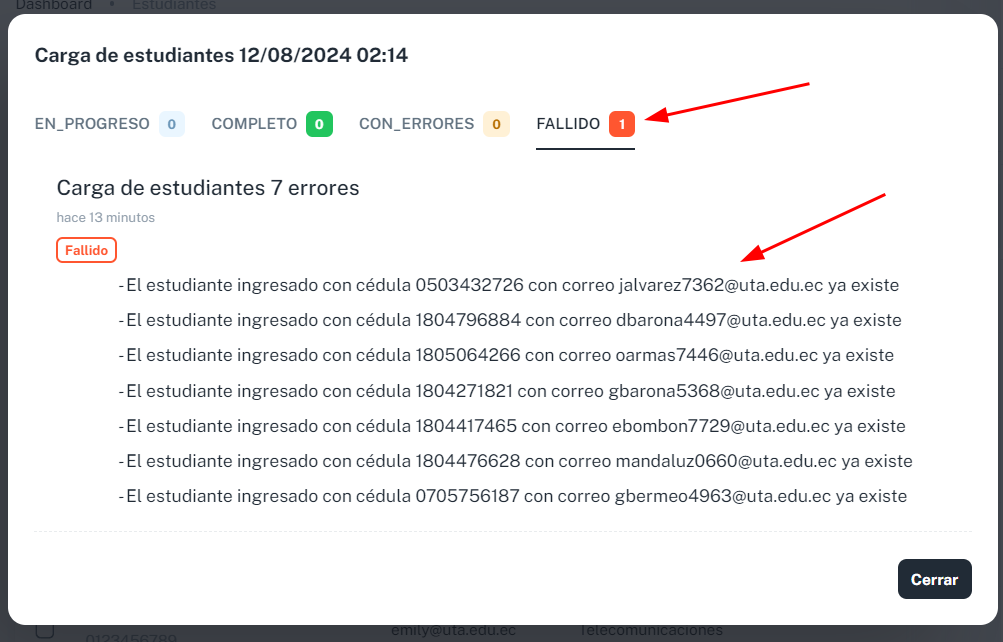
Excel-based bulk uploads with validation
Progress tracking and internship logging
Advanced filters and profile search
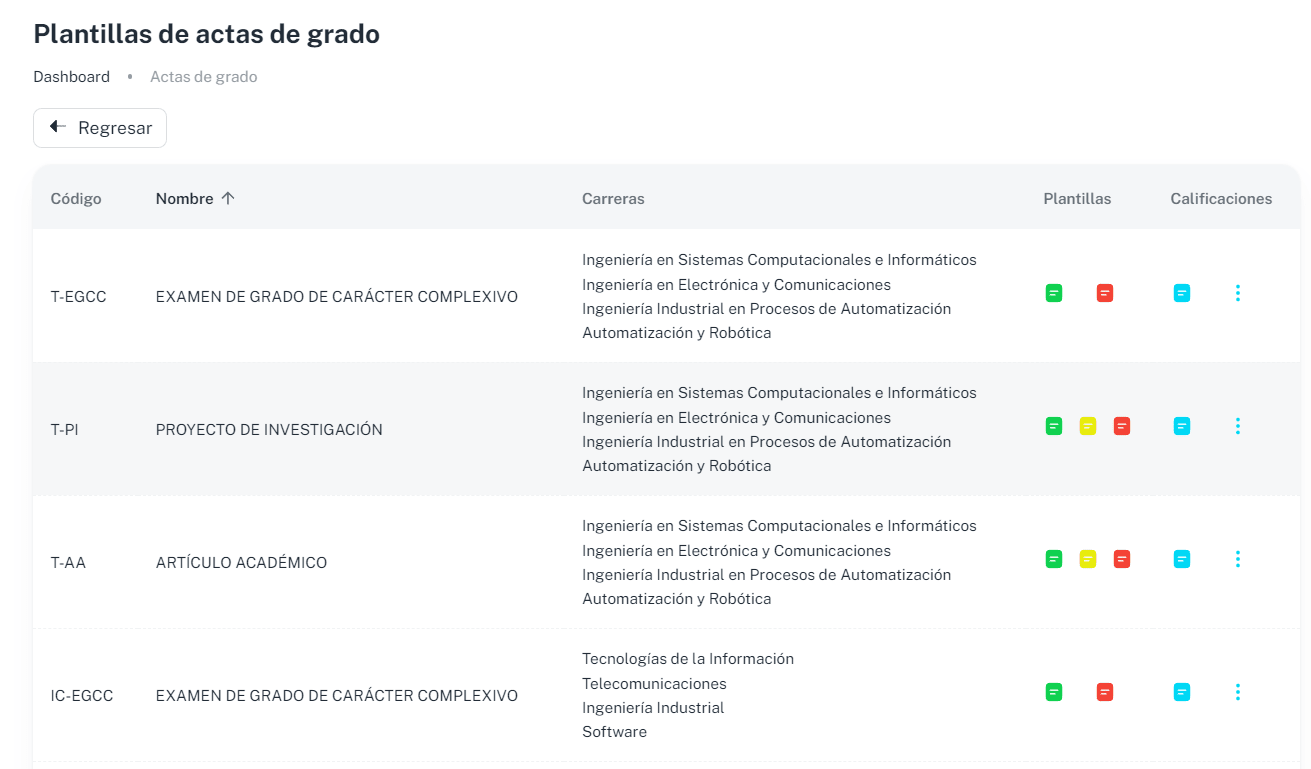
Degree Certificate Generation
Automates certificate workflows and committee coordination across programs.
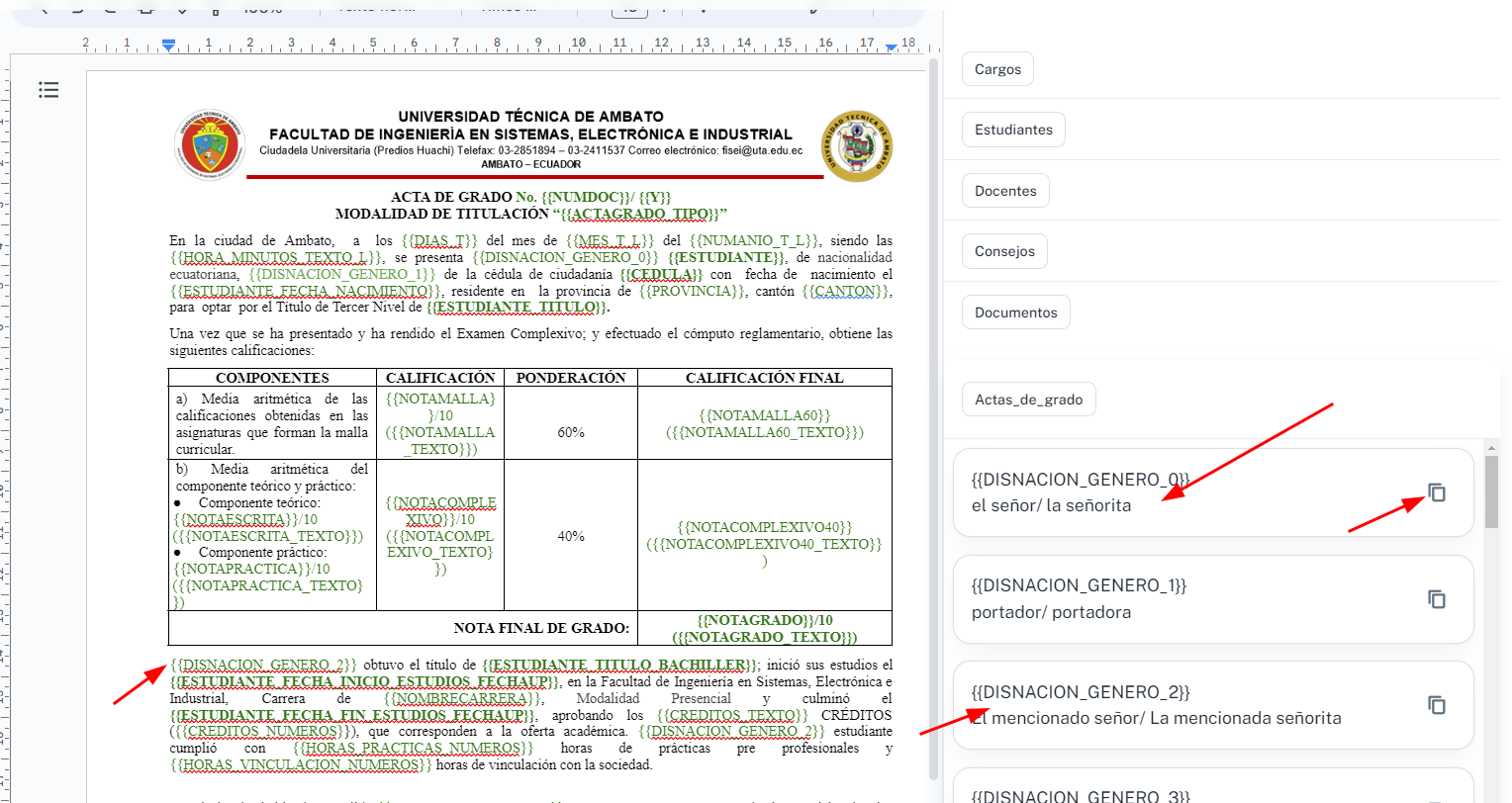
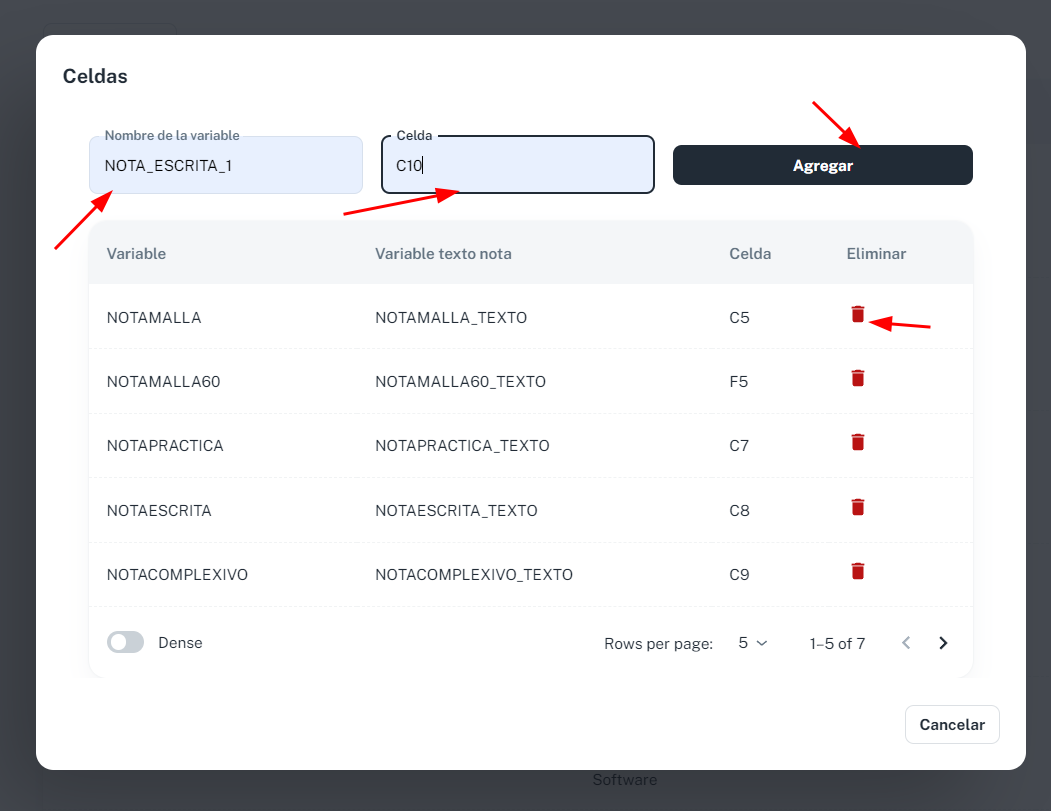
Standard templates with dynamic variables
Batch generation with error feedback
Defense coordination and faculty assignment
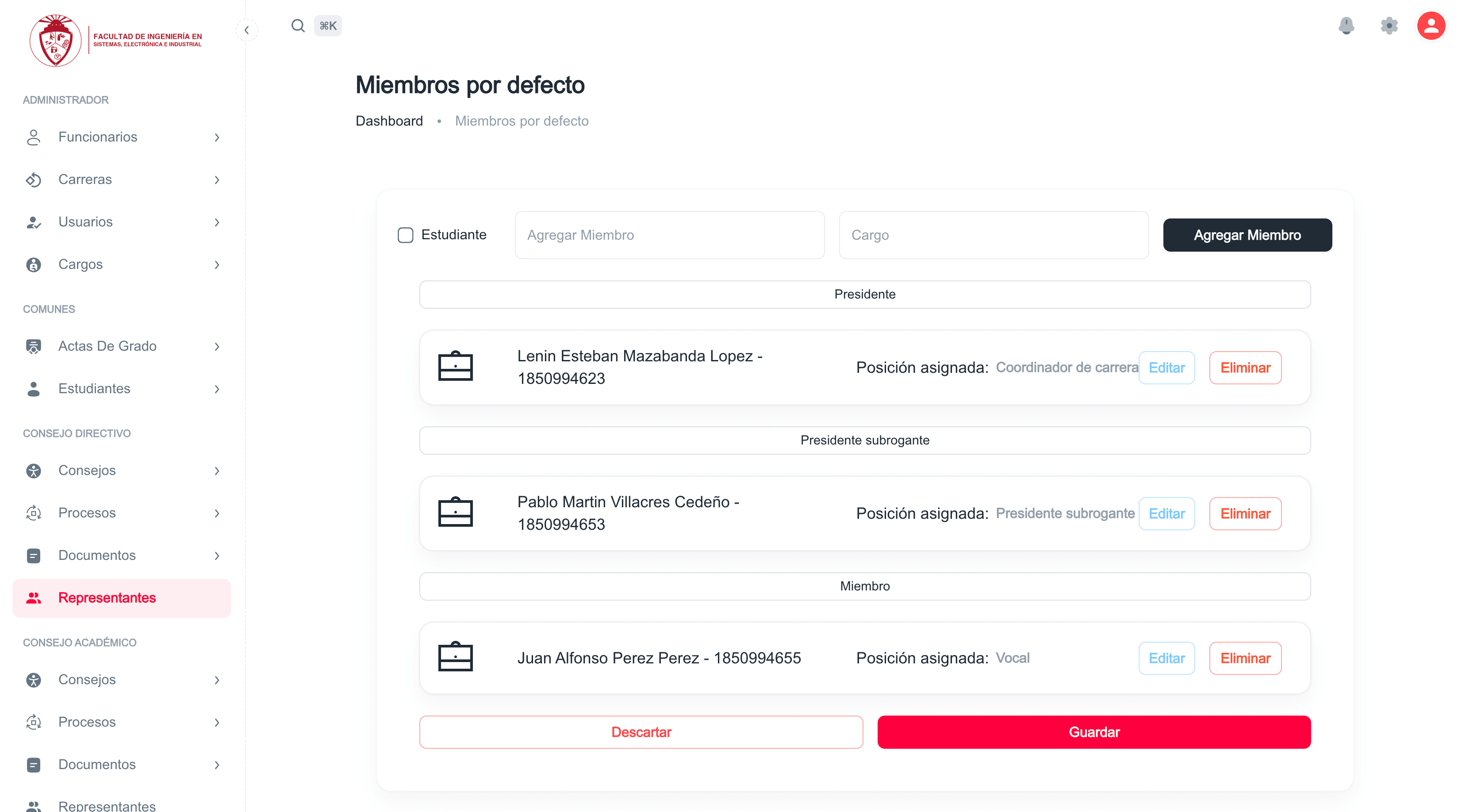
Council Management
Manages faculty meeting documentation, decisions, and resolution tracking.
Meeting records and attendance tracking
Automated reporting and searchable archives
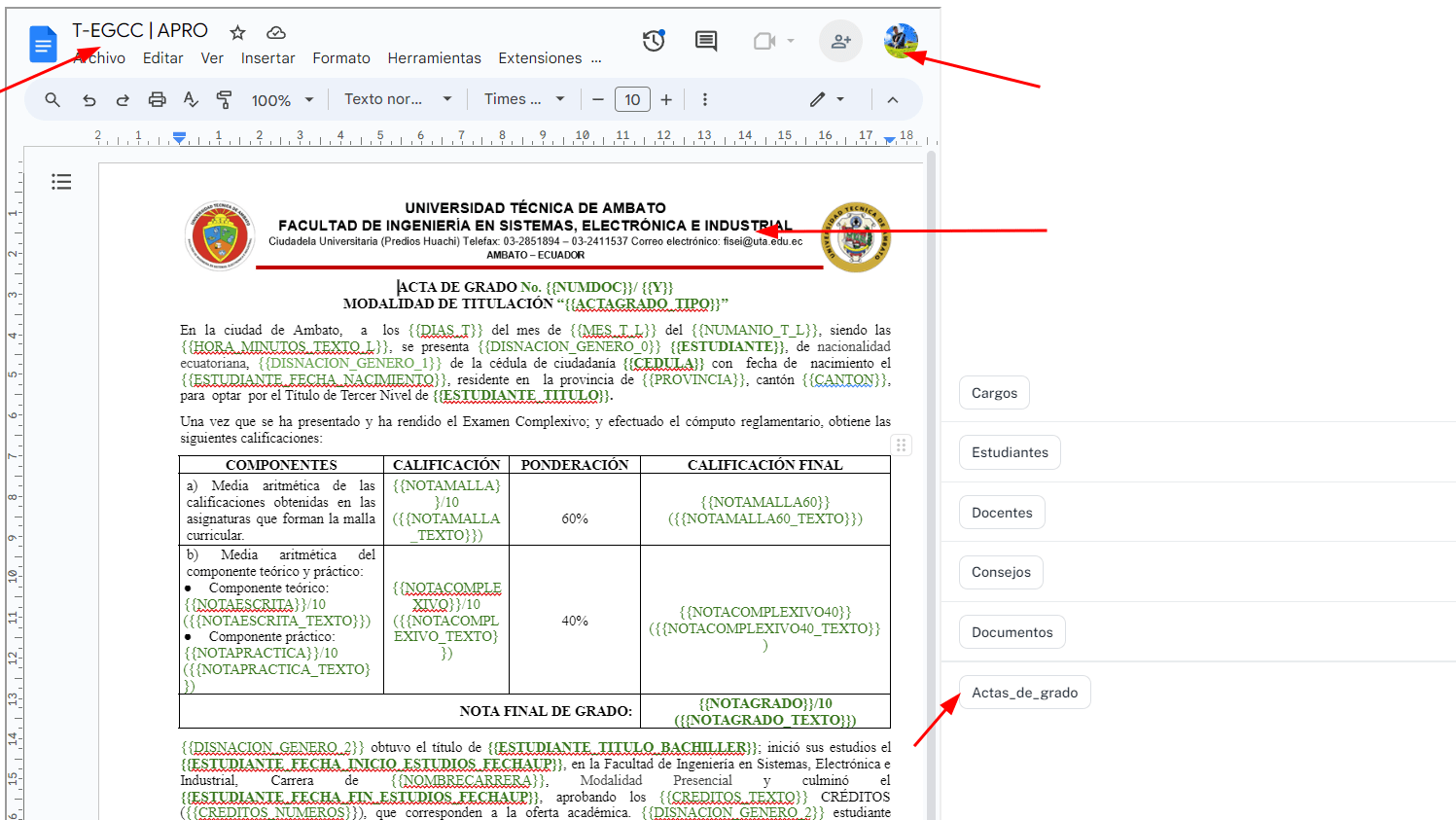
Template Management System
Centralized template control with dynamic fields and Google Docs integration.
Custom variables (e.g., {{STUDENT_NAME}})
Cross-module template consistency
Version control with Google Drive
Project Gallery



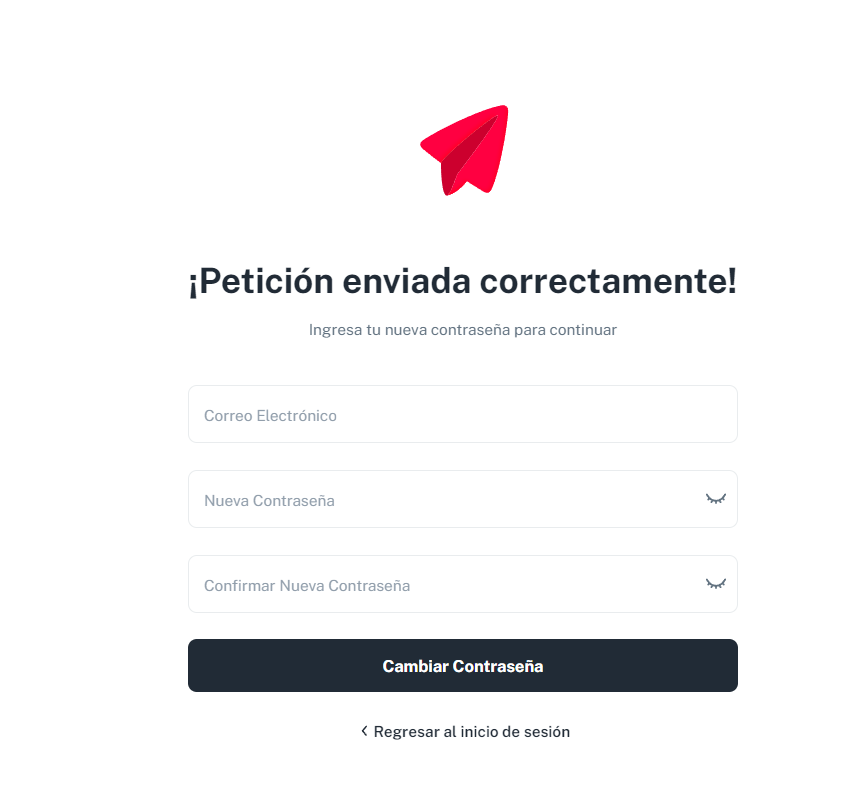
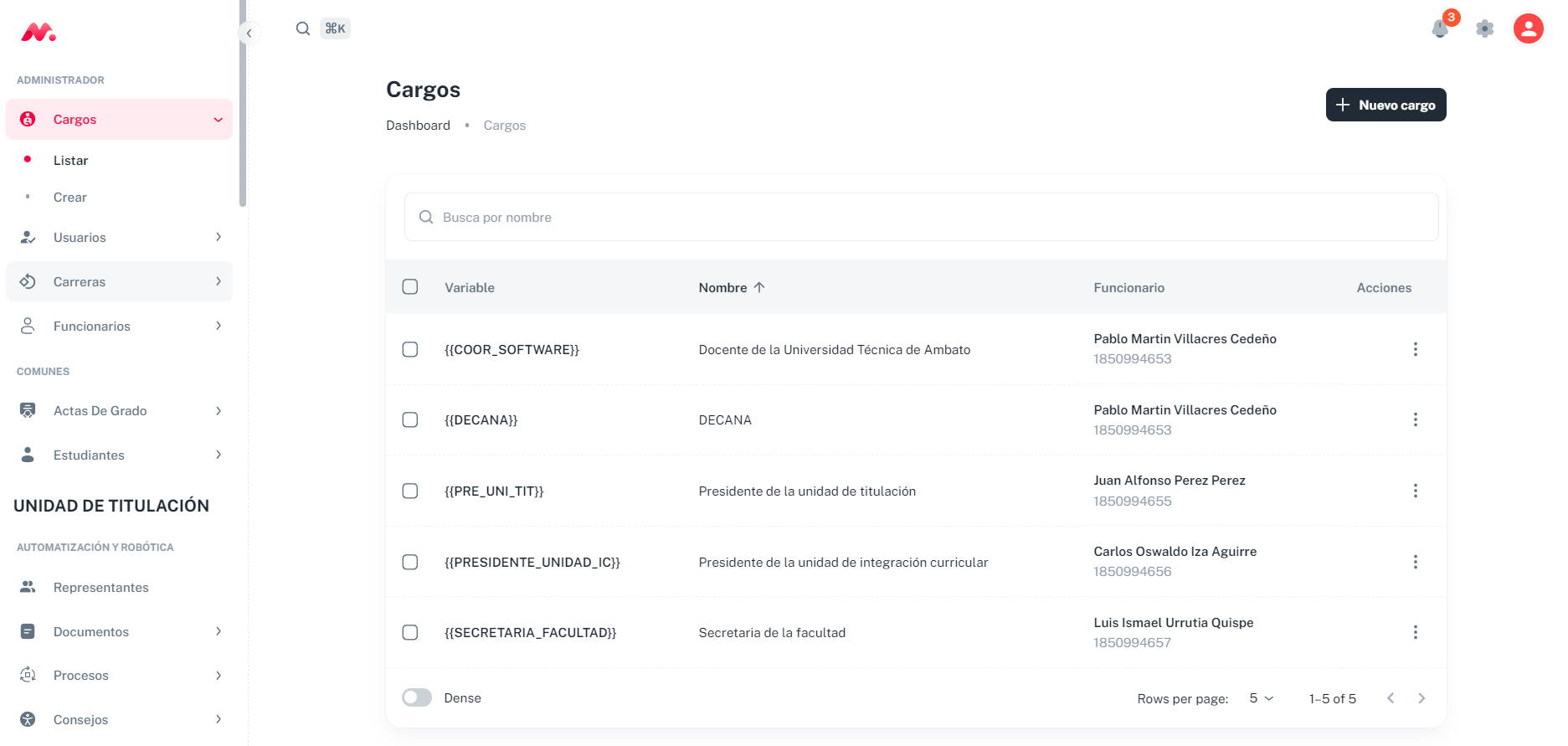
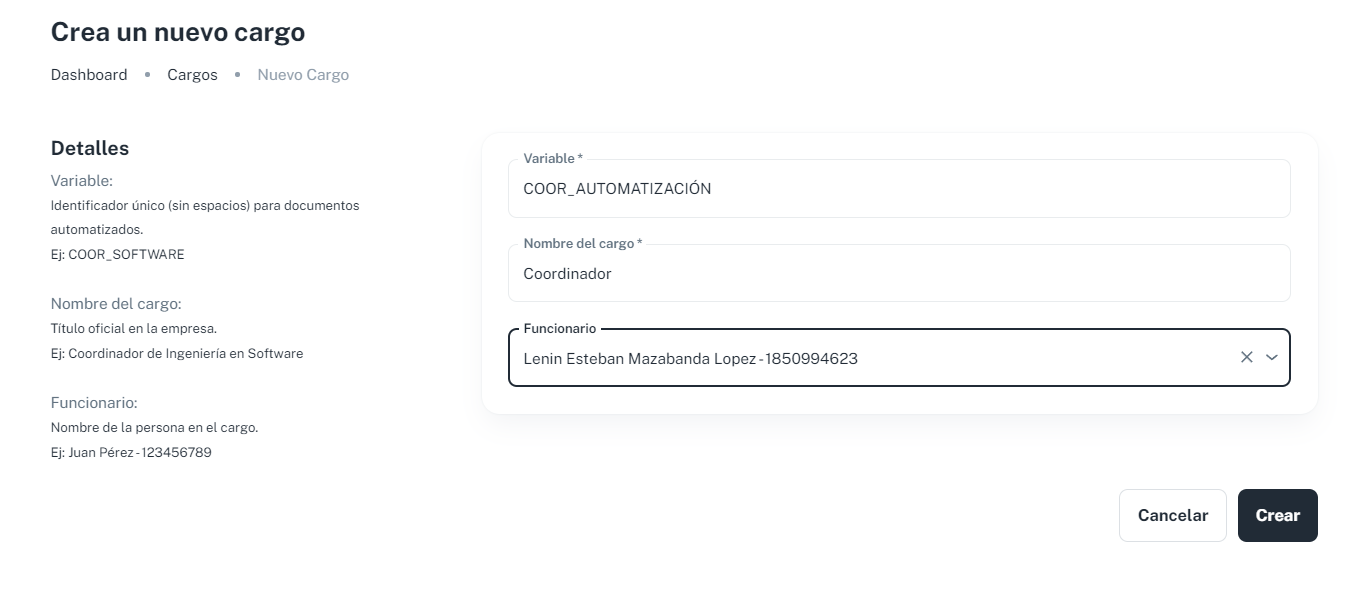
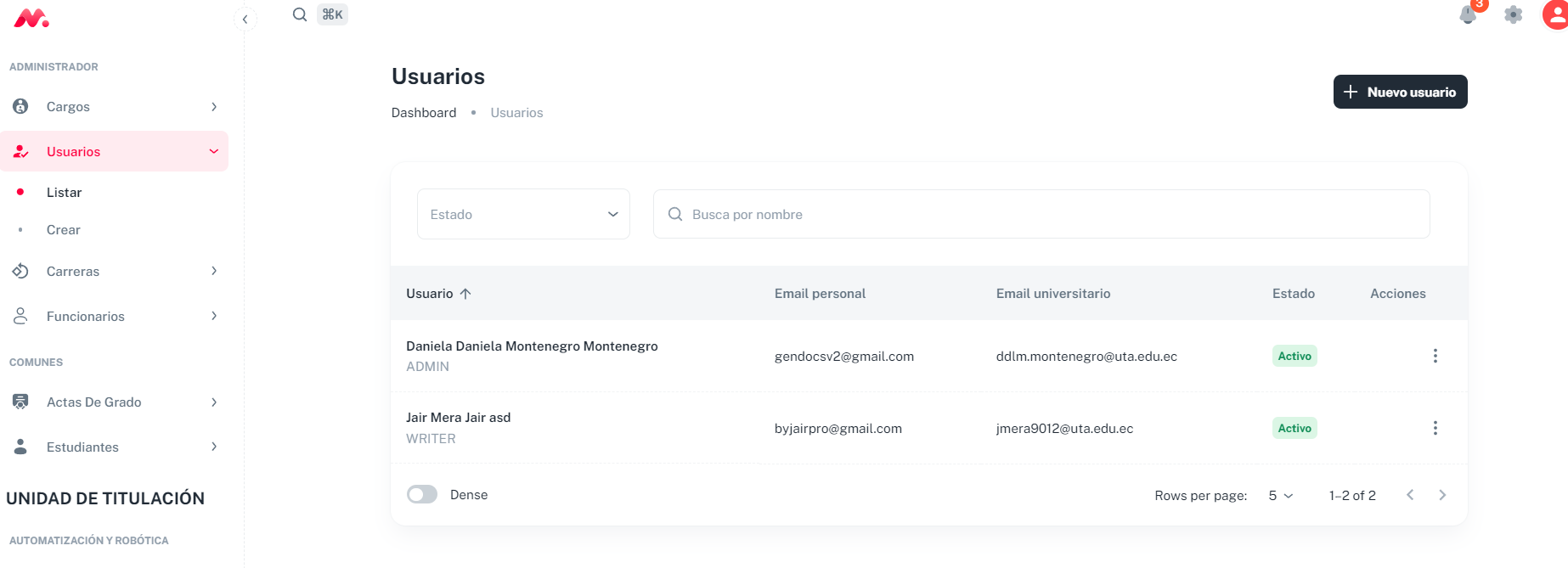
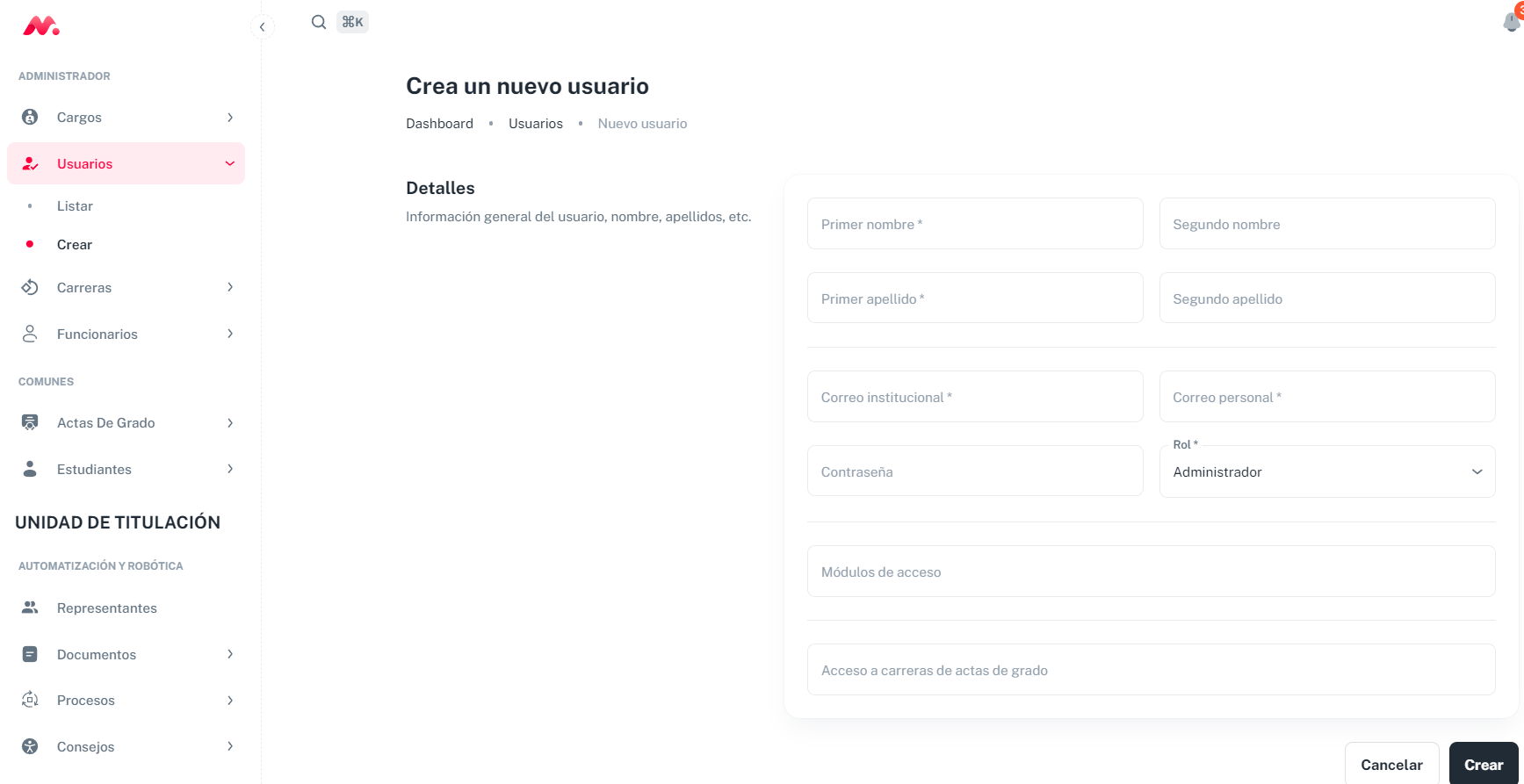

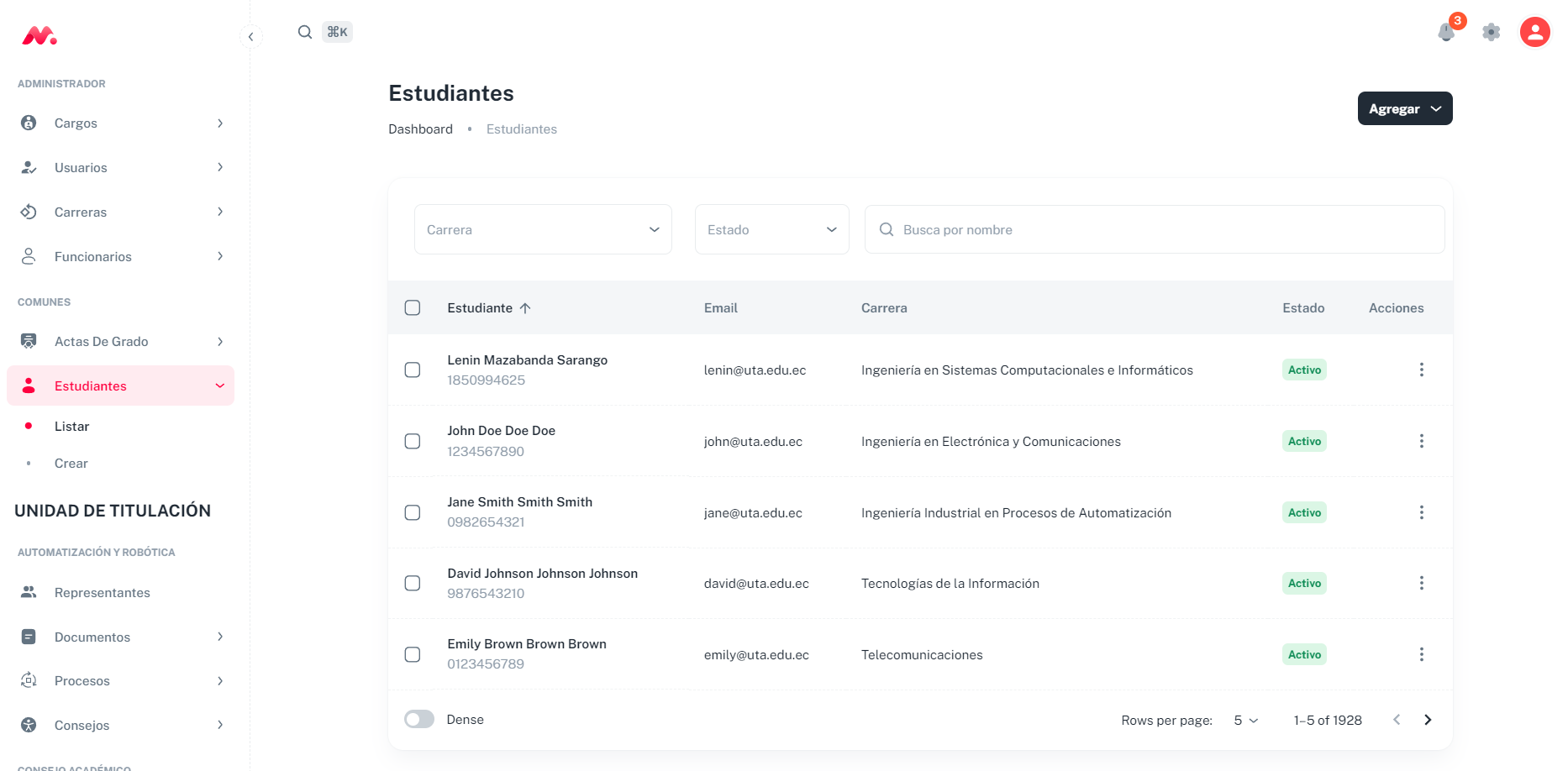
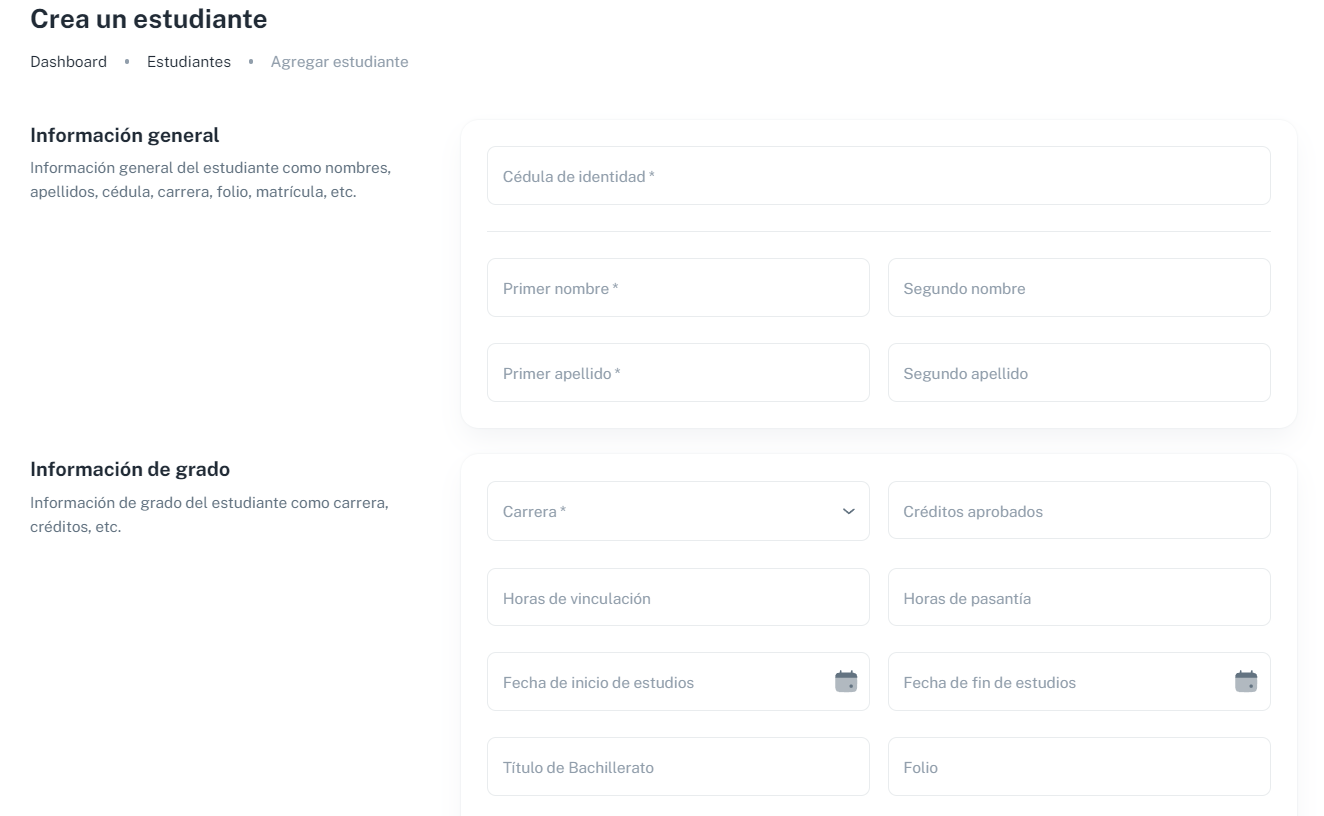
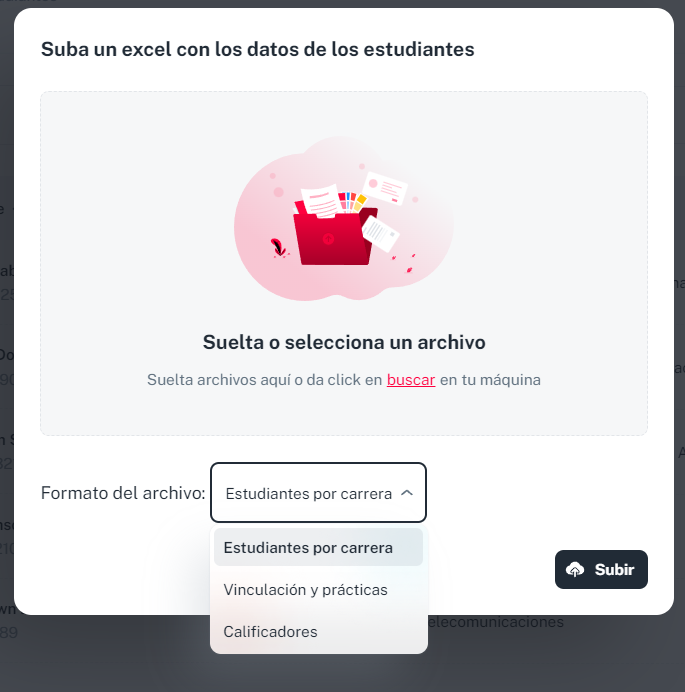

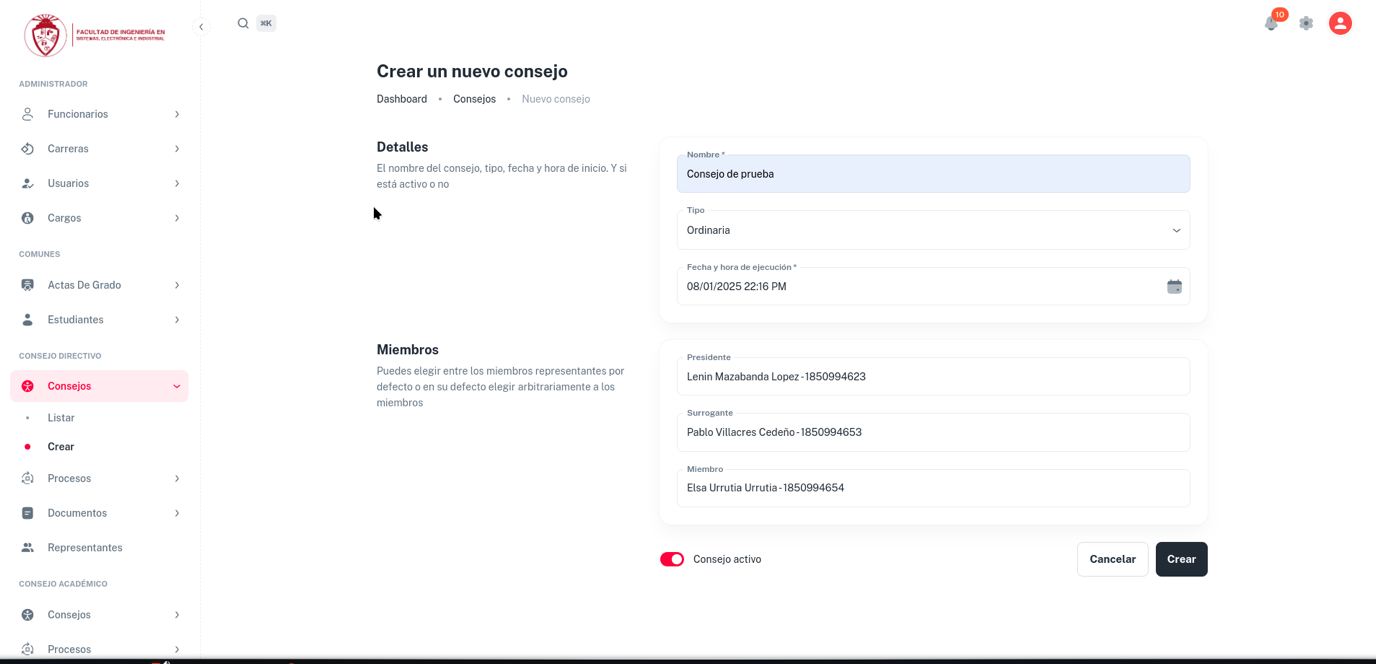
1 / 18
Team & Role
Frontend Development Lead
Worked in a team of 3: myself (frontend lead), a backend developer (client liaison), and a fullstack/DevOps engineer.
Responsibilities
Frontend migration to Material UI
Role-based UI component design
State management with Zustand
Optimized tables with pagination and filtering
Close collaboration with backend for API coordination
Key Achievements
Successful UI migration to Material UI
Modular component system for reusability
Flexible data import parser for Excel inconsistencies
Role-based interface logic with permission checks
Established consistent UI/UX standards across modules
Team Members

Pablo Villacrés
Frontend Lead Developer
- Frontend architecture and Material UI integration
- Zustand store design
- Role-based UI rendering

Backend Developer
Backend Architect & Client Liaison
- API development
- DB schema
- Drive integration

Fullstack Developer
Fullstack & DevOps Engineer
- Docker, CI/CD, infrastructure
Technical Stack
Frontend Technologies
Next.js
Routing and SSR/CSR for React apps
TypeScript
Typed JavaScript for safer code
Material UI
Component library with consistent design
React Hook Form
Robust form validation and control
Zustand
Minimal state management library
Yup
Schema-based input validation
Backend Technologies
NestJS
Structured backend framework with modules
TypeORM
ORM for PostgreSQL with decorators
PostgreSQL
Relational database system
WebSockets
Real-time updates and alerts
JWT
Authentication and route protection
Google APIs
Docs and Drive automation, OAuth2 auth
DevOps & Infrastructure
Docker
Container-based deployment
GitHub Actions
Automated CI/CD pipelines
ESLint & Prettier
Code formatting and linting
Challenges & Solutions
Document Collaboration and Versioning
Maintaining history and traceability of shared documents.
Solution
Used Google Drive versioning with audit trails and custom dynamic variable system.
Legacy System Migration
Integrating old data formats and features into a modern UI.
Solution
Implemented compatibility layers, phased migration, and parallel system testing.
State Management Optimization
Managing multi-module data flow with performance in mind.
Solution
Built unified Zustand stores with persistent session storage and lazy updates.
Excel Format Inconsistencies
Handling non-standard Excel imports from various departments.
Solution
Created a parsing utility with fallback logic and dynamic field resolution.
Role-Based UI Rendering
Displaying proper actions per role while ensuring security.
Solution
Developed a UI logic system based on roles with backend permission alignment.
Learning Outcomes
New Skills Acquired
State Management with Zustand
Mastery of modular and persistent state control.
- Session-persistent storage
- Slice combination techniques
- Optimistic UI updates
Next.js and Advanced React
Built experience with server-rendered and modular React apps.
- File-based routing and layouts
- Suspense and lazy loading
- Server-side data fetching
React Hook Form
Implemented dynamic, schema-validated complex forms.
- Nested form arrays
- Yup integration
- Conditional rendering
Material UI Design System
Professional UI construction using MUI components and themes.
- Custom theme extension
- Responsive design with Grid
- Reusable UI components
Technical Lessons
Technology Prioritization
Aligning choices with scope and actual needs.
- Evaluating tradeoffs early
- Focusing on deployment context
Adaptable Architecture
Balancing complexity with flexibility.
- Clean architecture in frontend
- Reusable domain-based logic
Separation of Concerns
Keeping logic and UI well-isolated.
- Domain-driven structure
- Reusable atomic components
HTTP Communication
Consistent and secure API interaction patterns.
- Centralized Axios client
- Token refresh logic
- Standard error handling
Areas for Improvement
State Management Efficiency
TanStack Query could have improved server state handling and reduced duplication.
Code Review & Refactoring
More time for review would enhance maintainability.
Complexity Balance
Some parts could have been simpler without affecting value.
Team Collaboration Practices
Better documentation and formal reviews would support scalability.