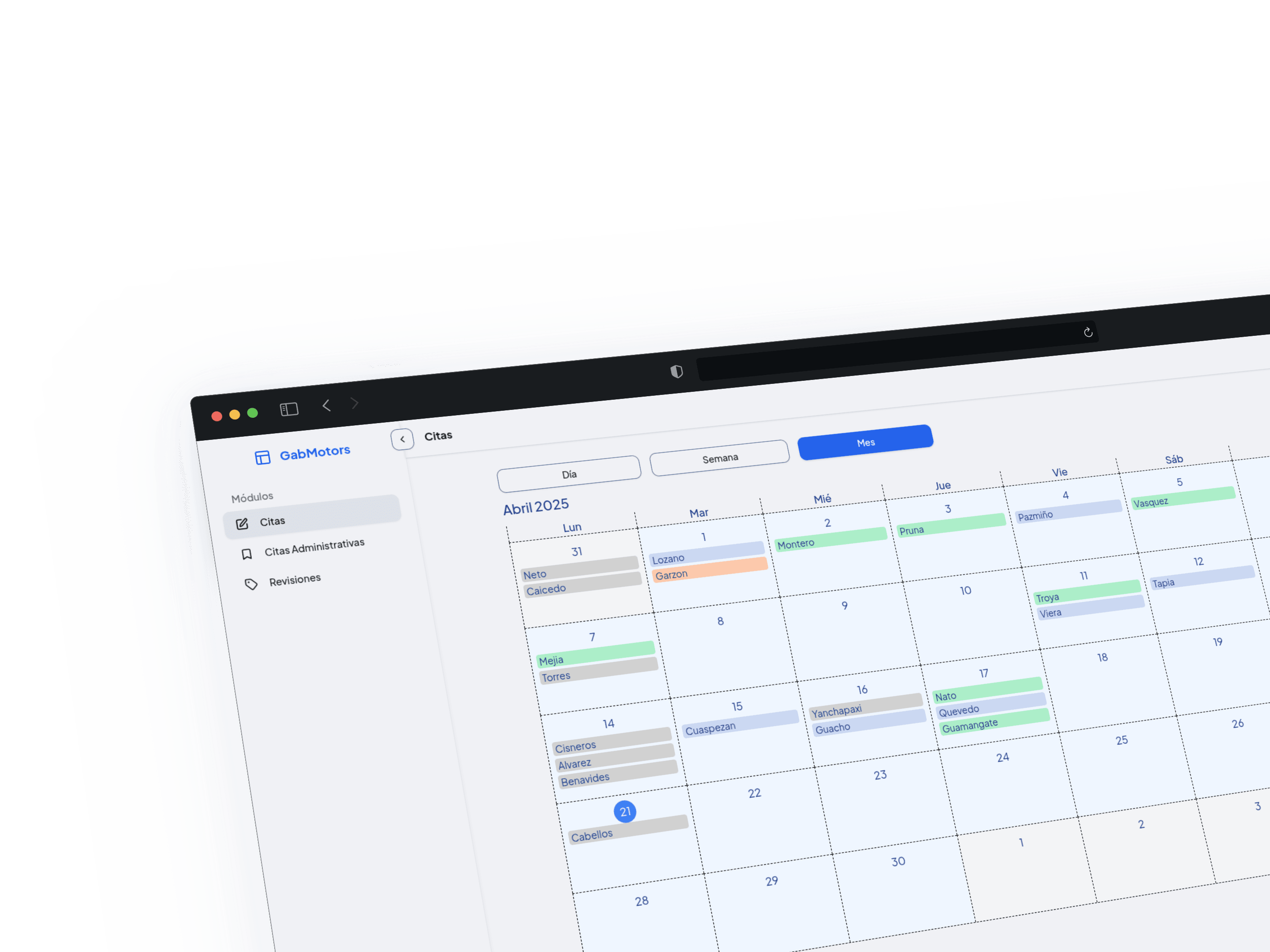
Project Overview
Client Information
Company
GabMotors
Location
Latacunga, Ecuador
Industry
Automotive Services
Challenge
The shop lacked a unified system to coordinate appointments, inspections, and internal communication, leading to disorganization and delays.
Key Benefits Delivered
Unified calendar for team coordination
Real-time task updates and mechanic tracking
Automated reminders and alerts
Improved resource and personnel management
Key Features
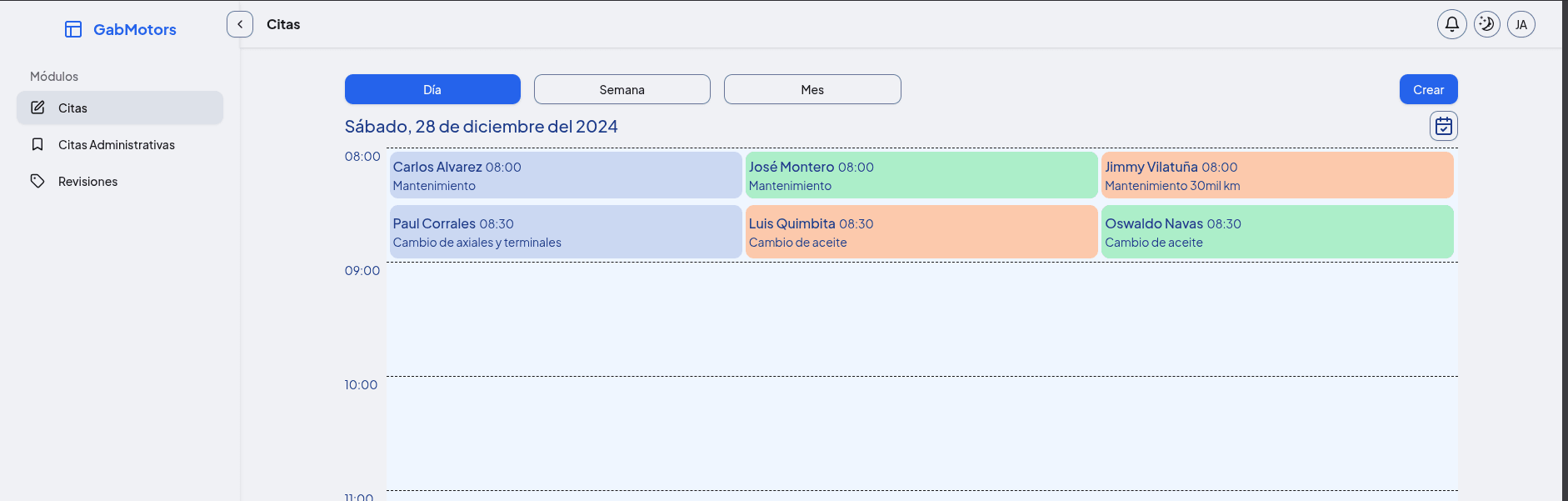
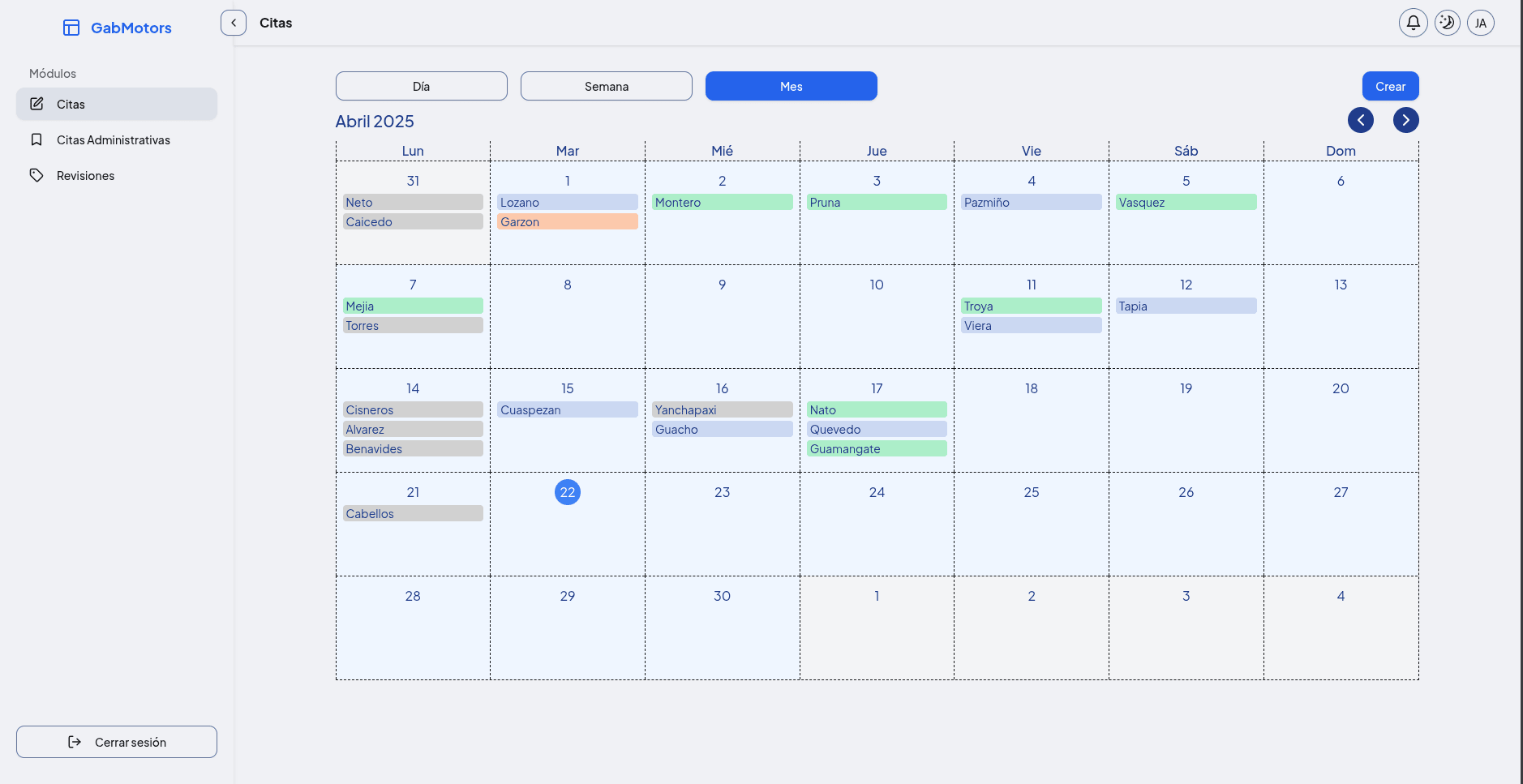
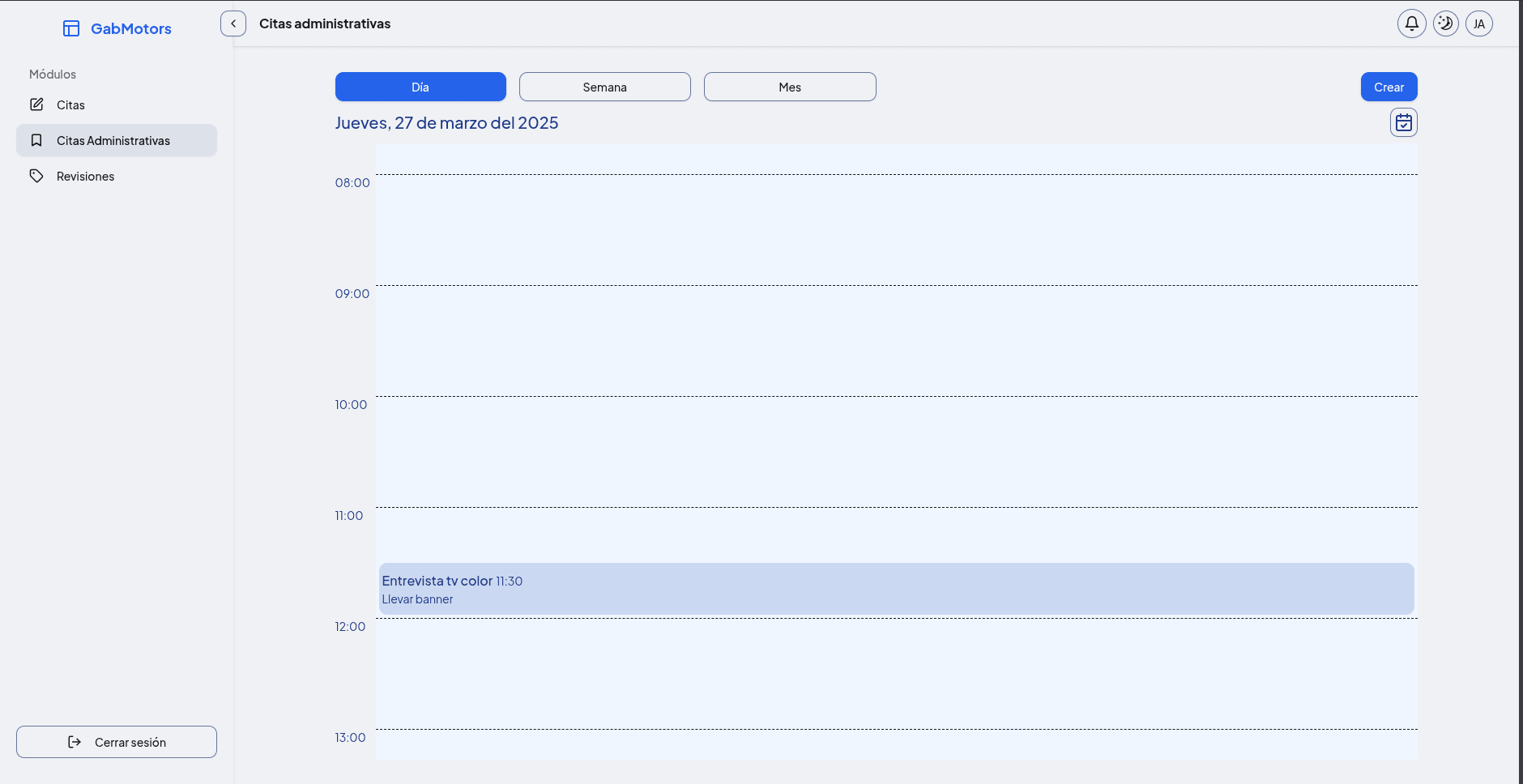
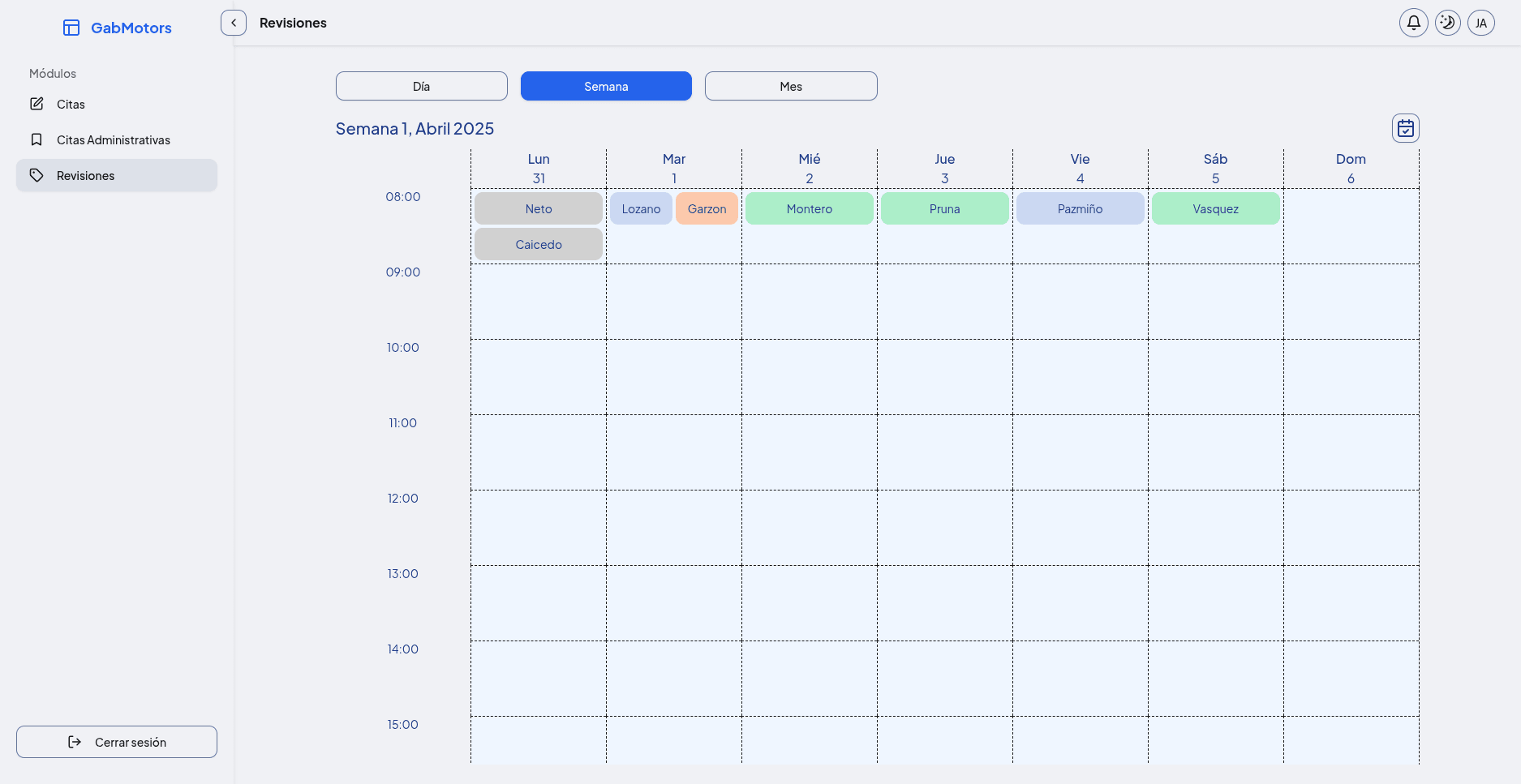
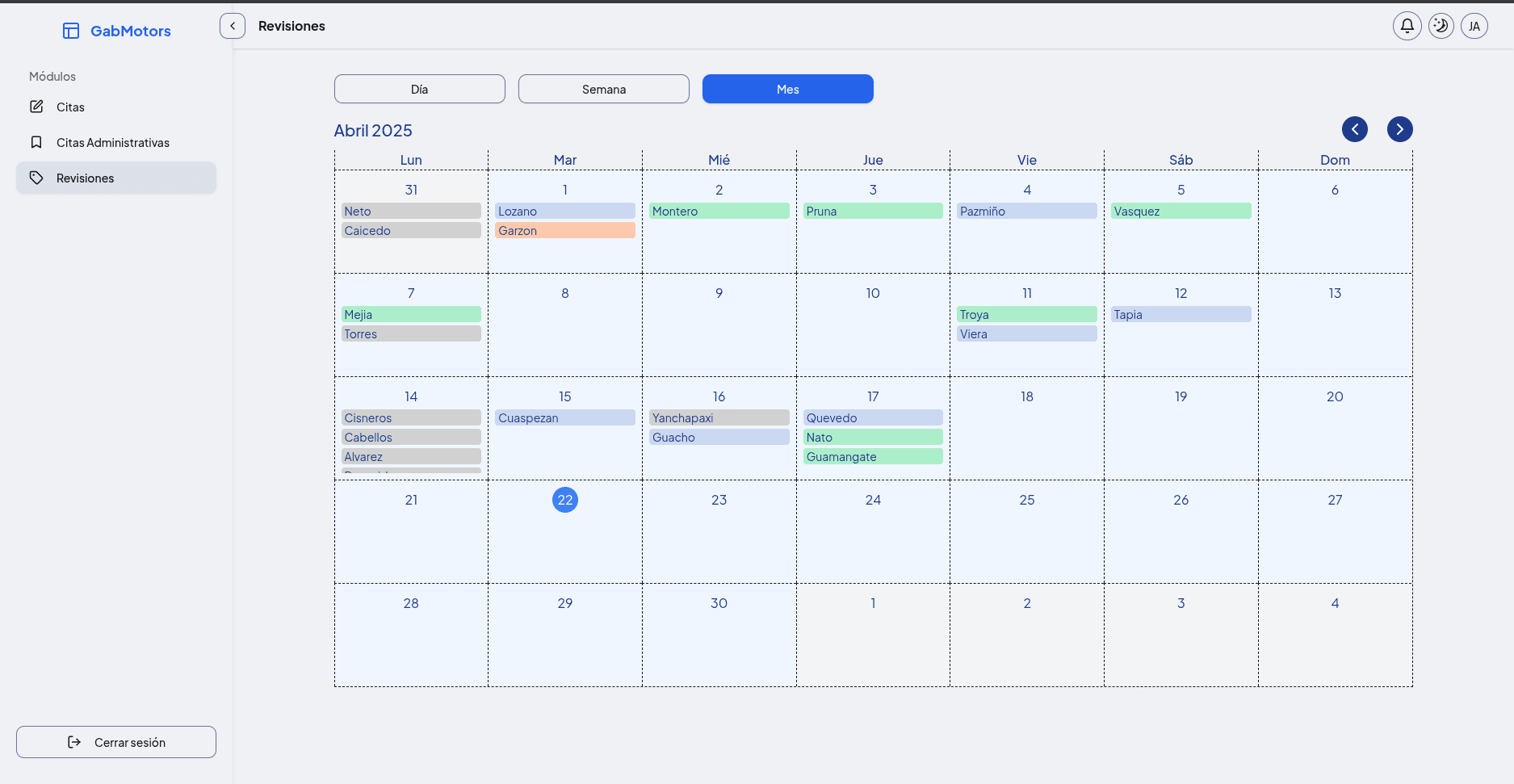
Interactive Calendar
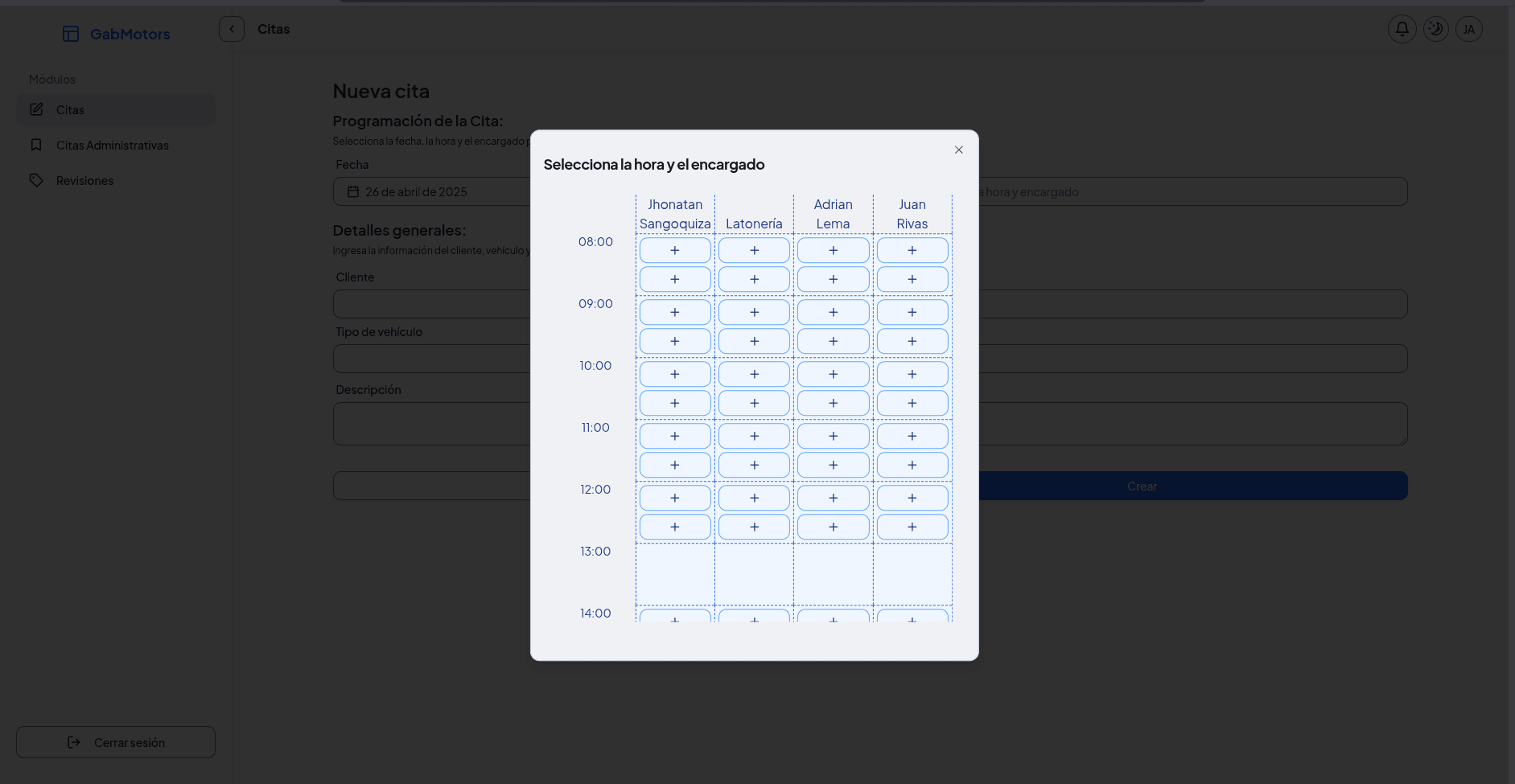
Dynamic scheduling with multi-view modes, drag-and-drop, and filters by service or mechanic.
Mechanic color coding
Responsive design
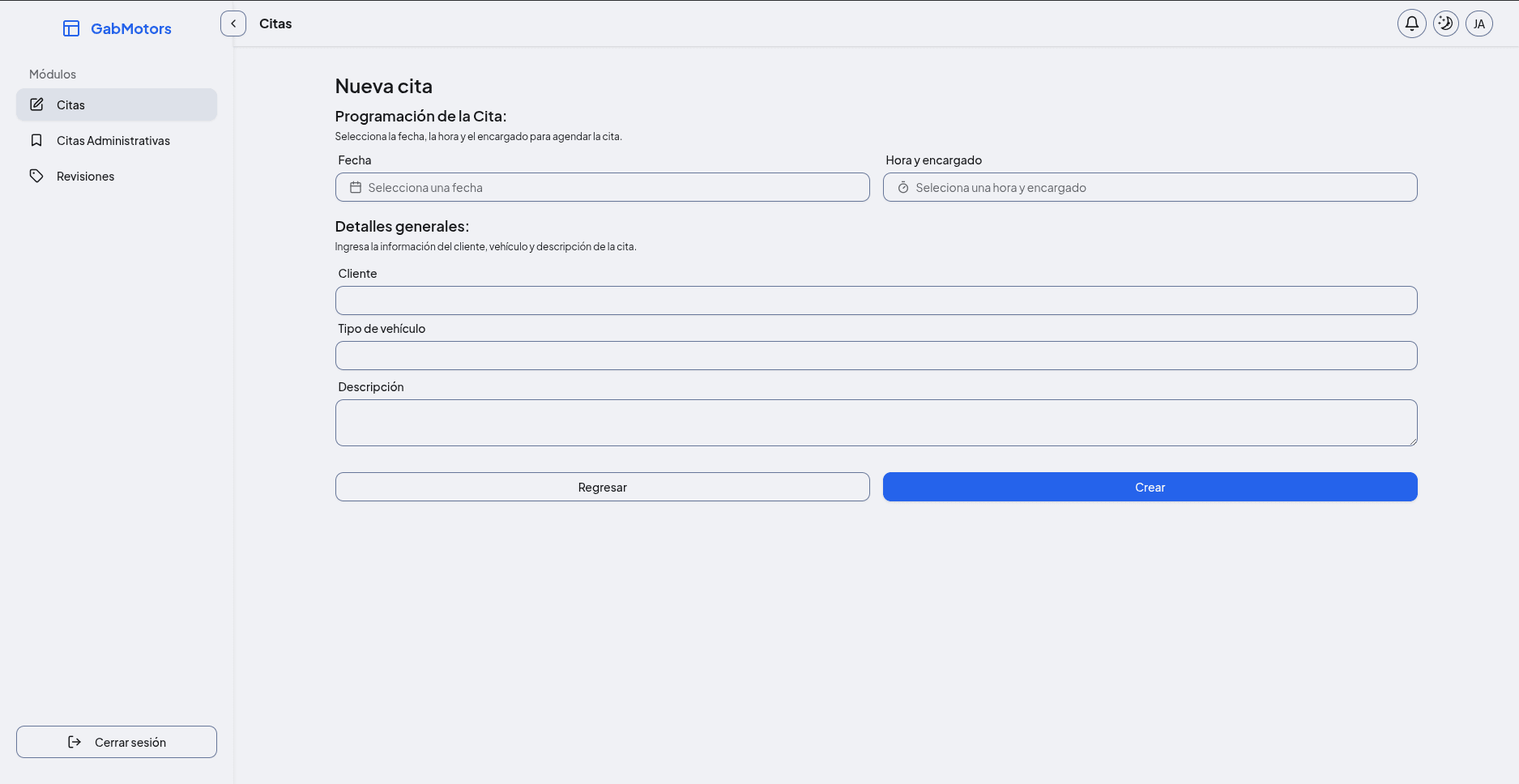
Appointment validation
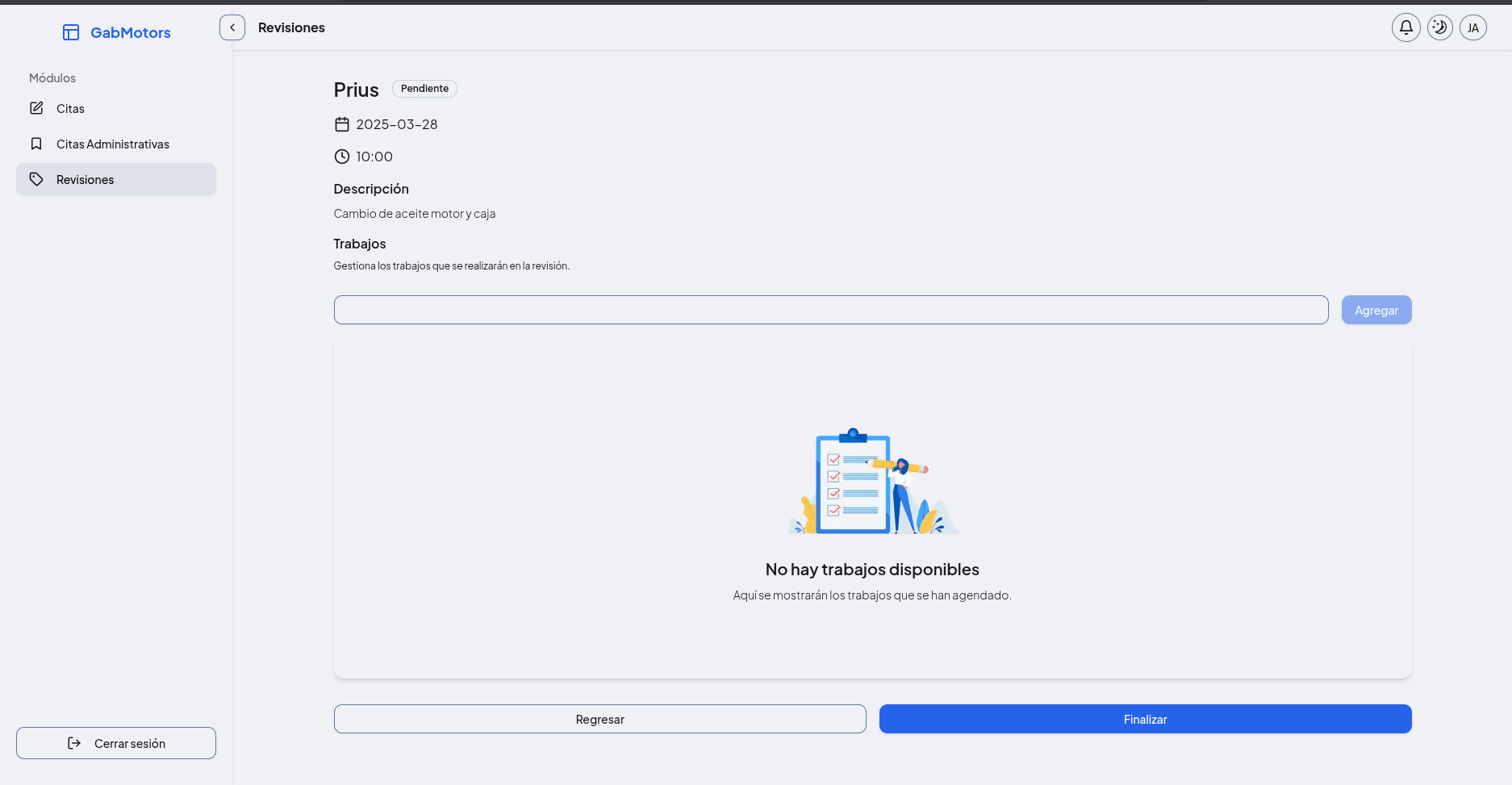
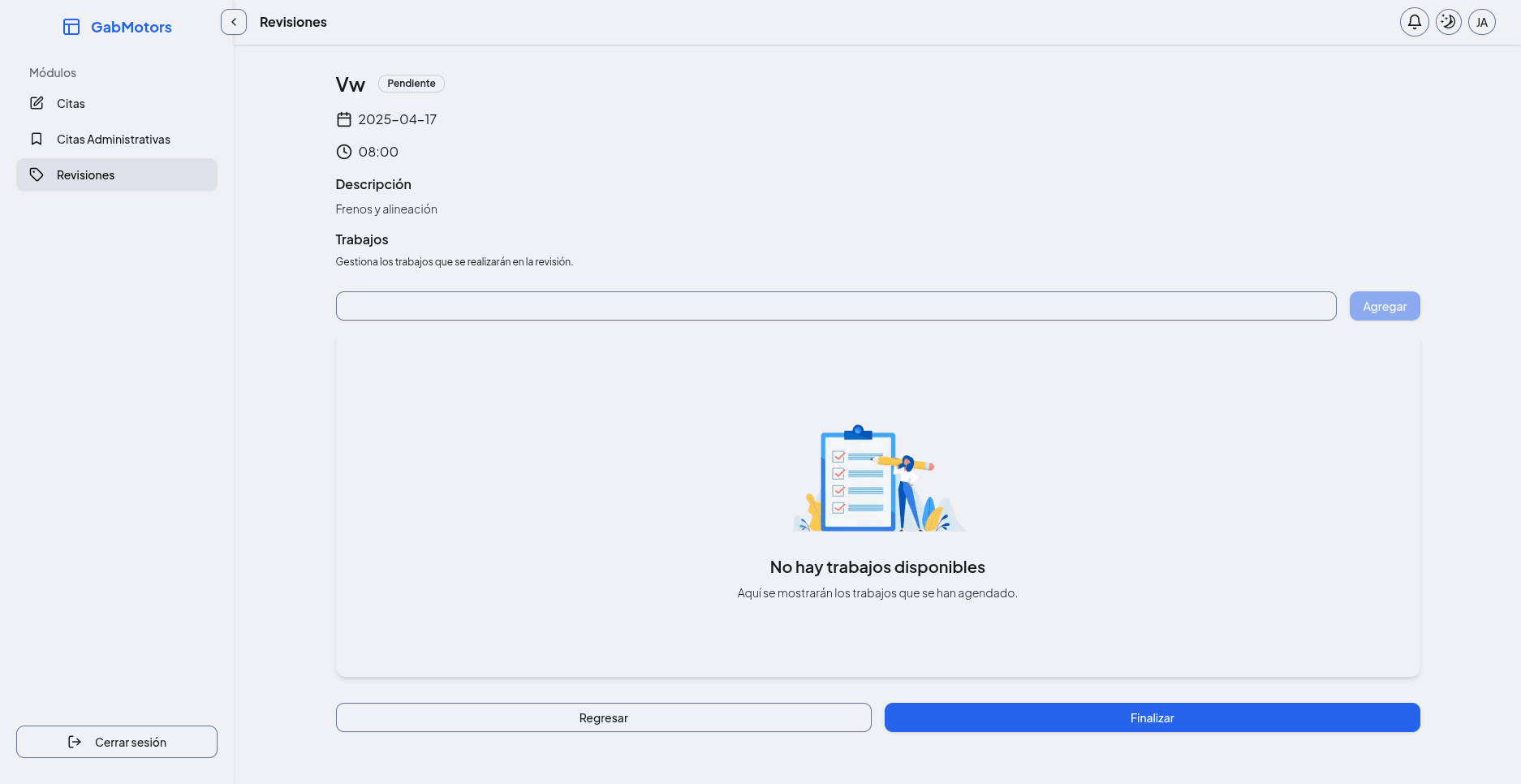
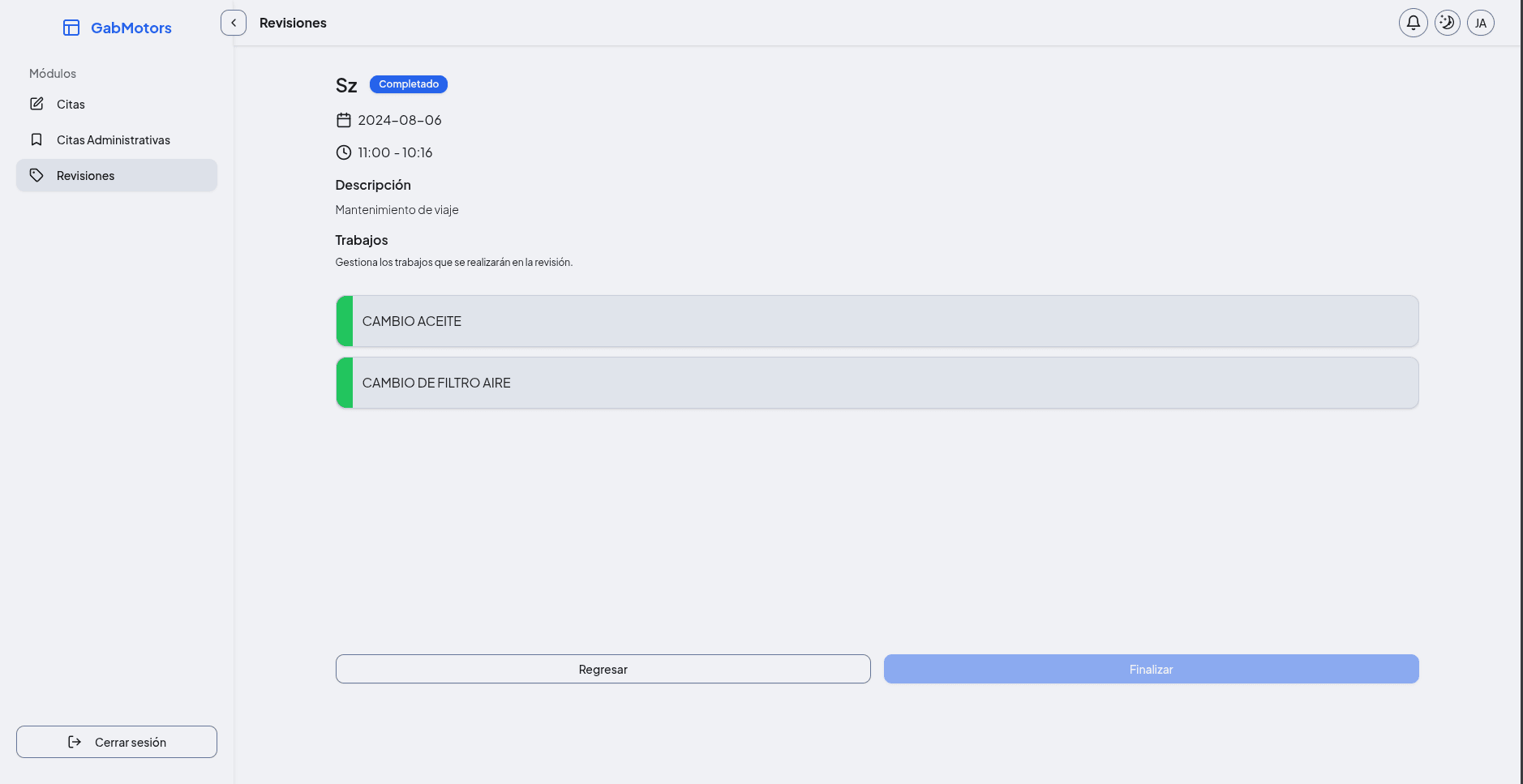
Inspection Tracking
Panel to log and monitor inspections with task history and technical notes.
Progress status per inspection
Service history by vehicle
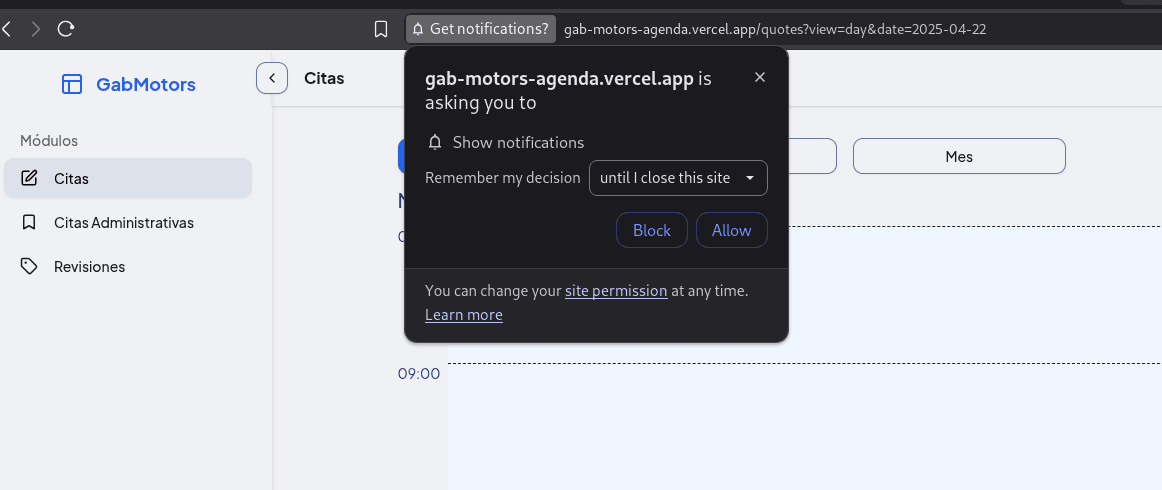
Real-Time Notifications
Push notifications for appointments, changes, and task assignments via Firebase and Service Workers.
Role-based alerts
Foreground/background compatibility
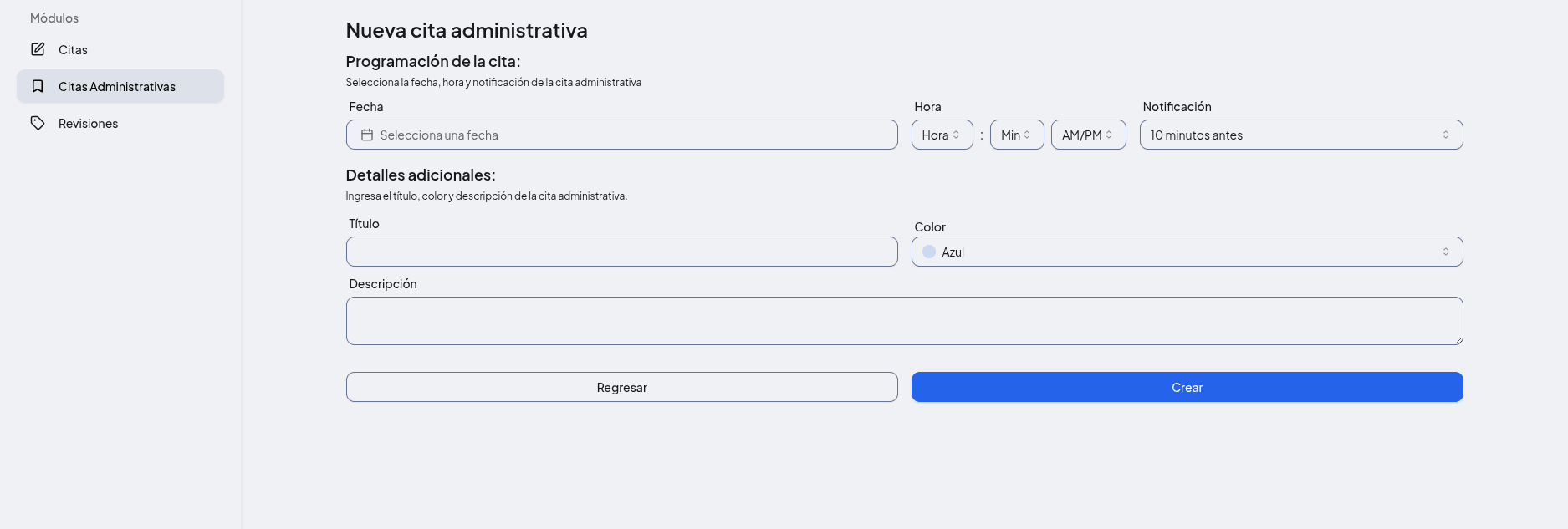
Admin Dashboard
Centralized control for meetings, personnel, inspection records, and permissions.
Role-based access
Advanced inspection search
Project Gallery
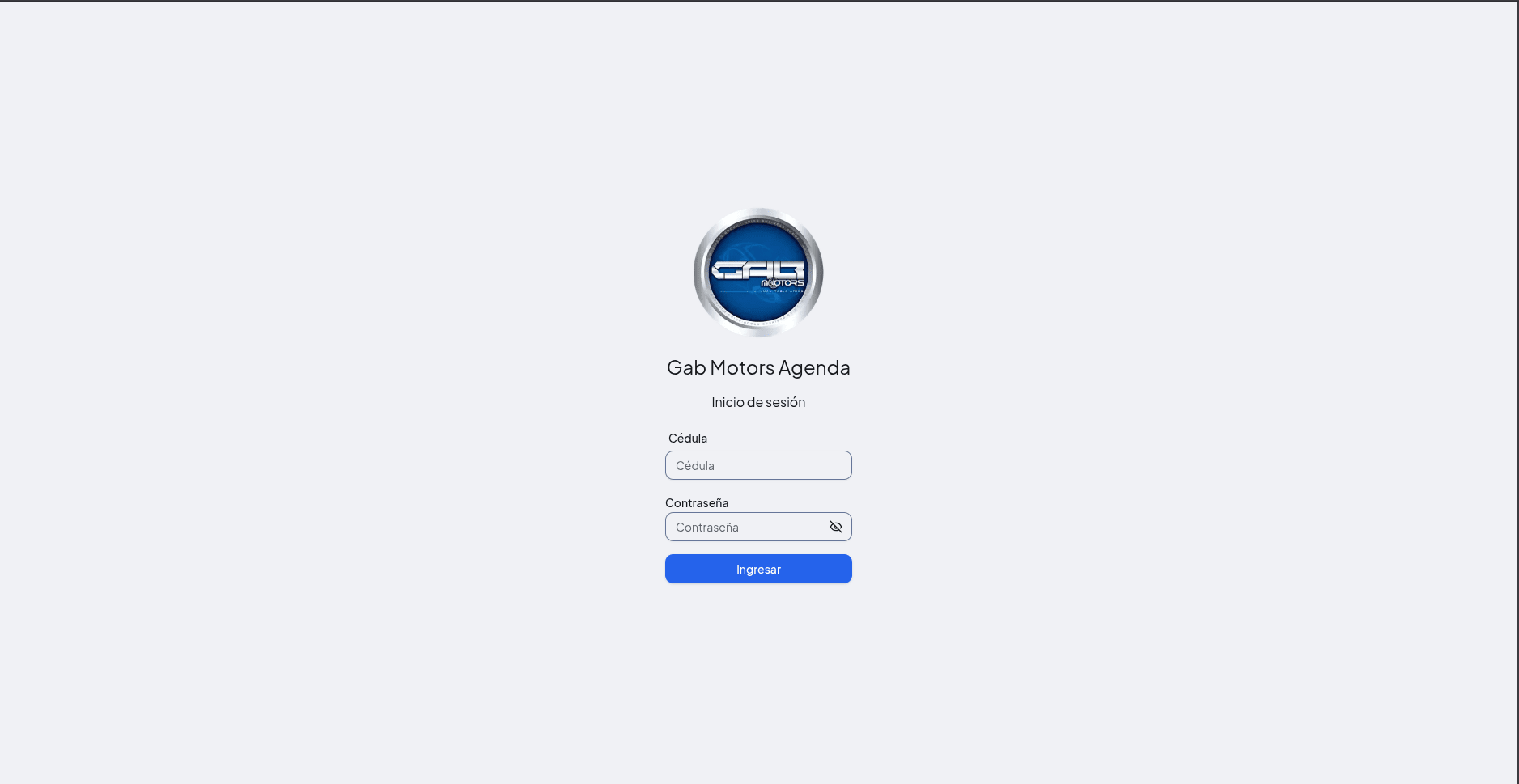
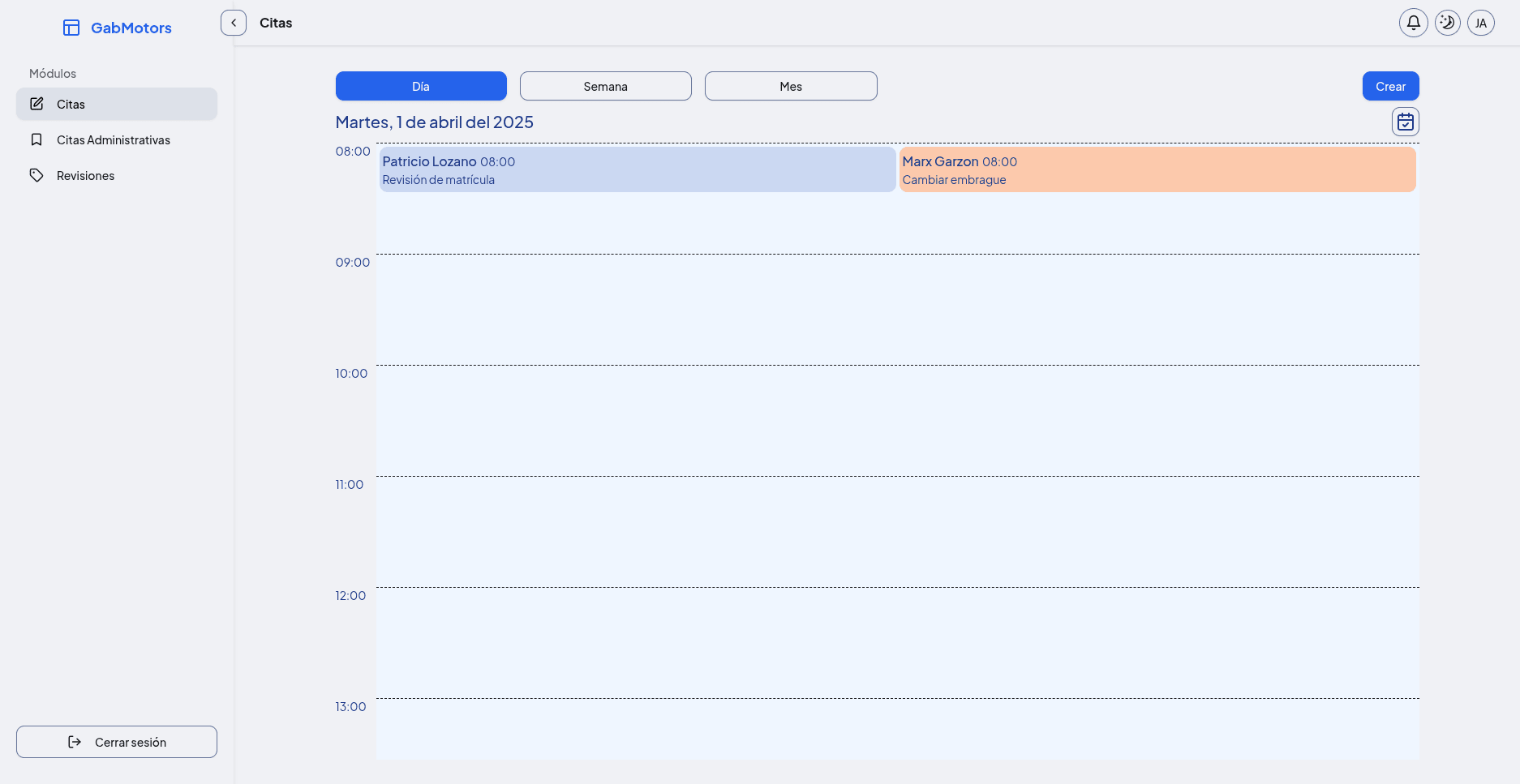
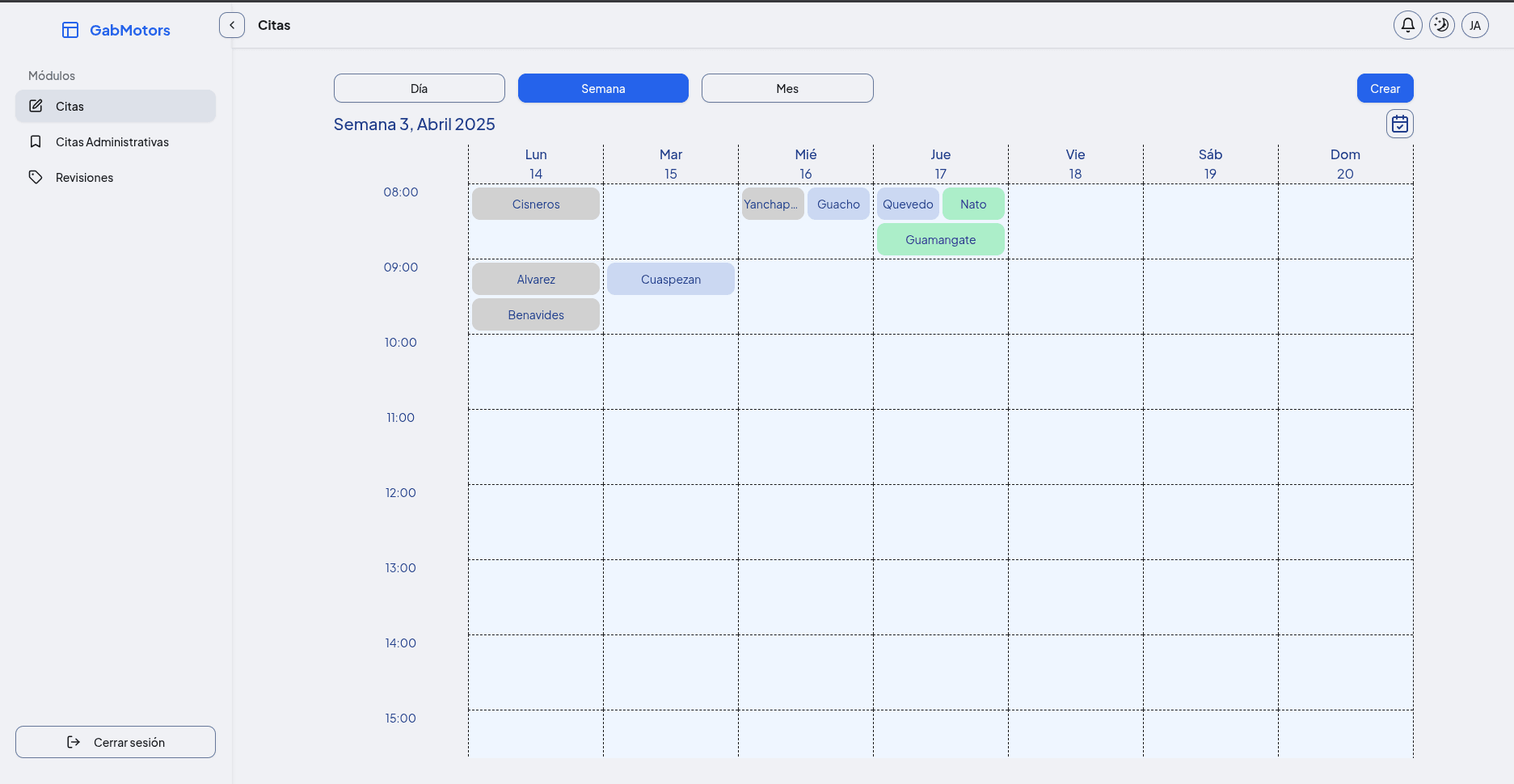
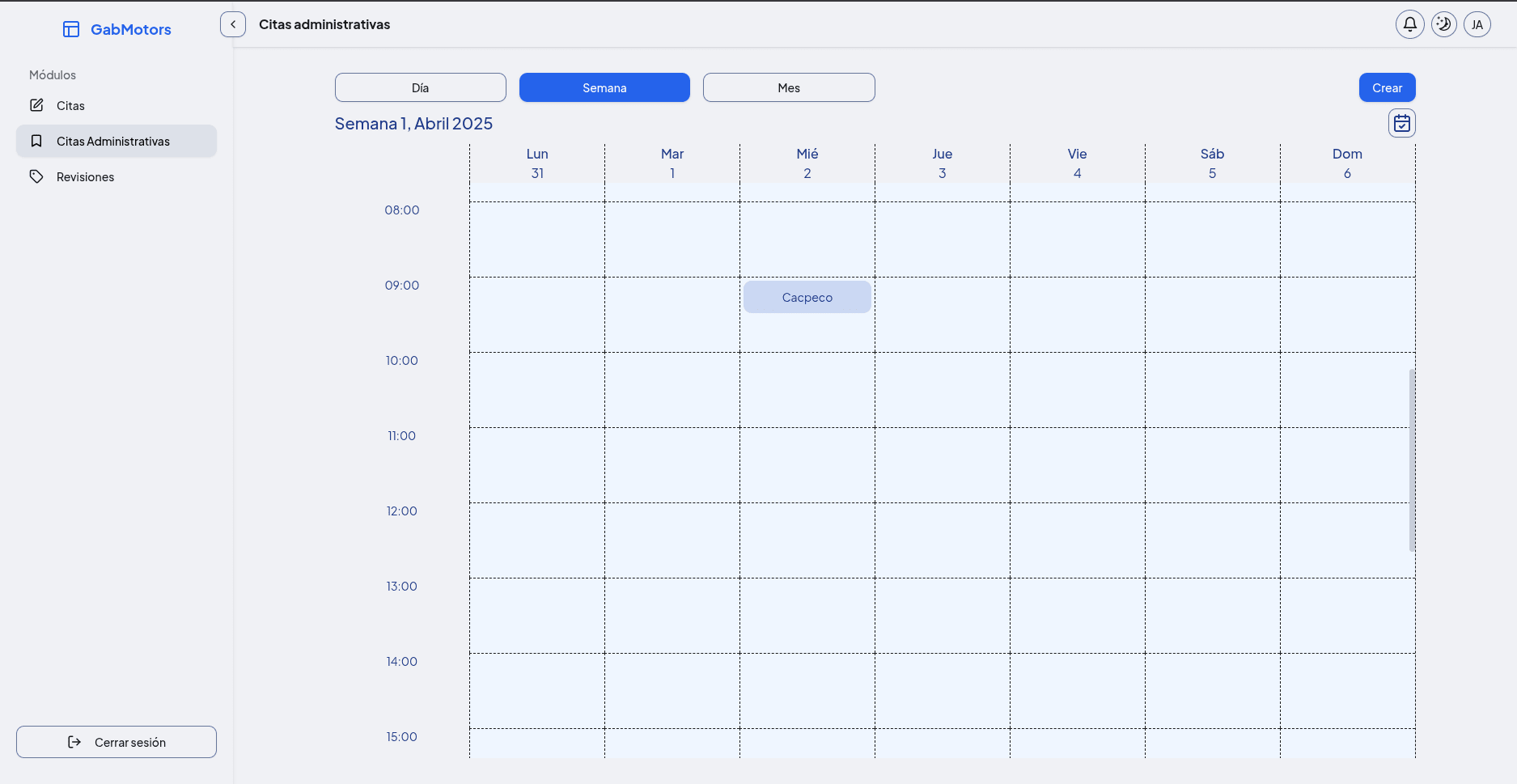
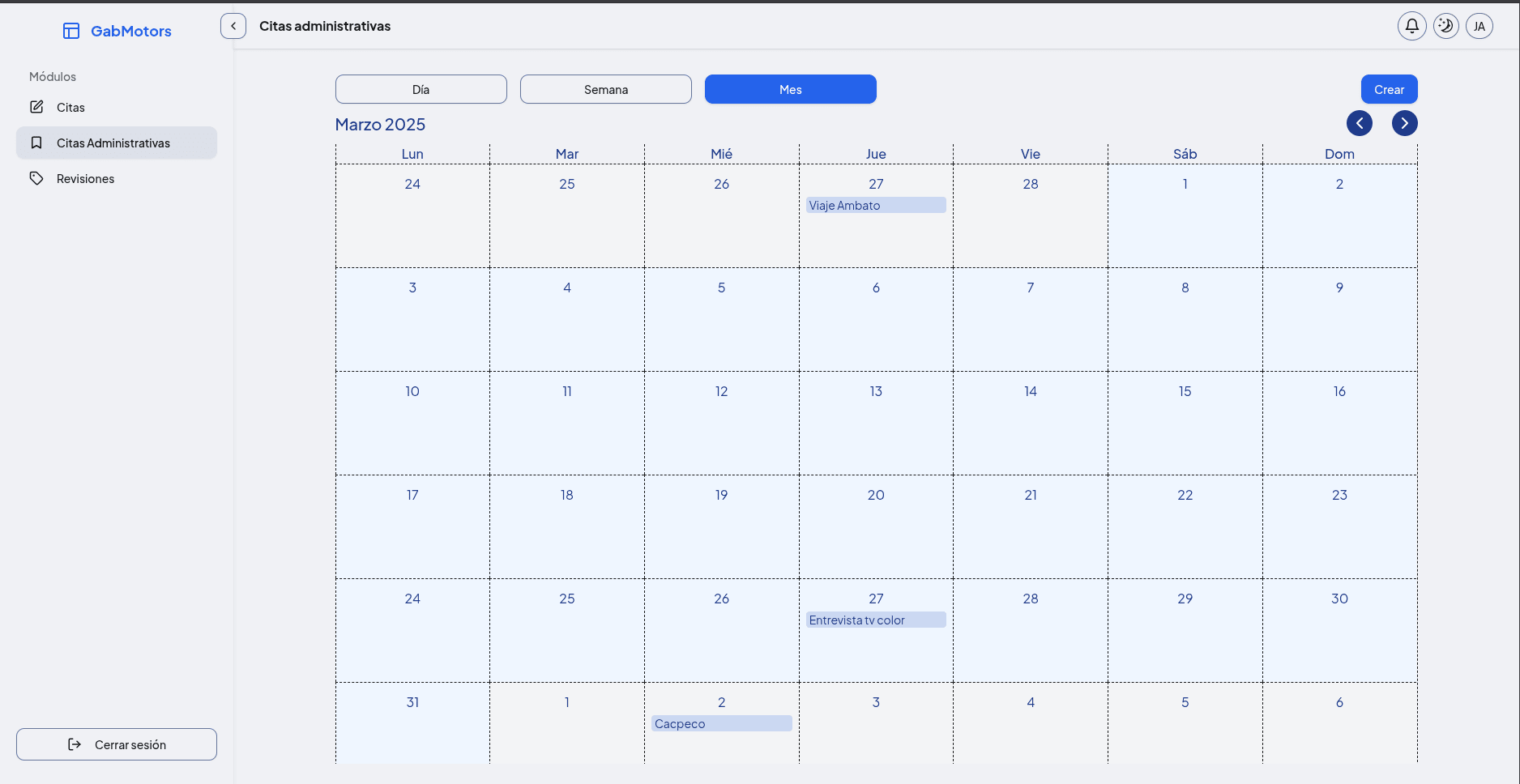
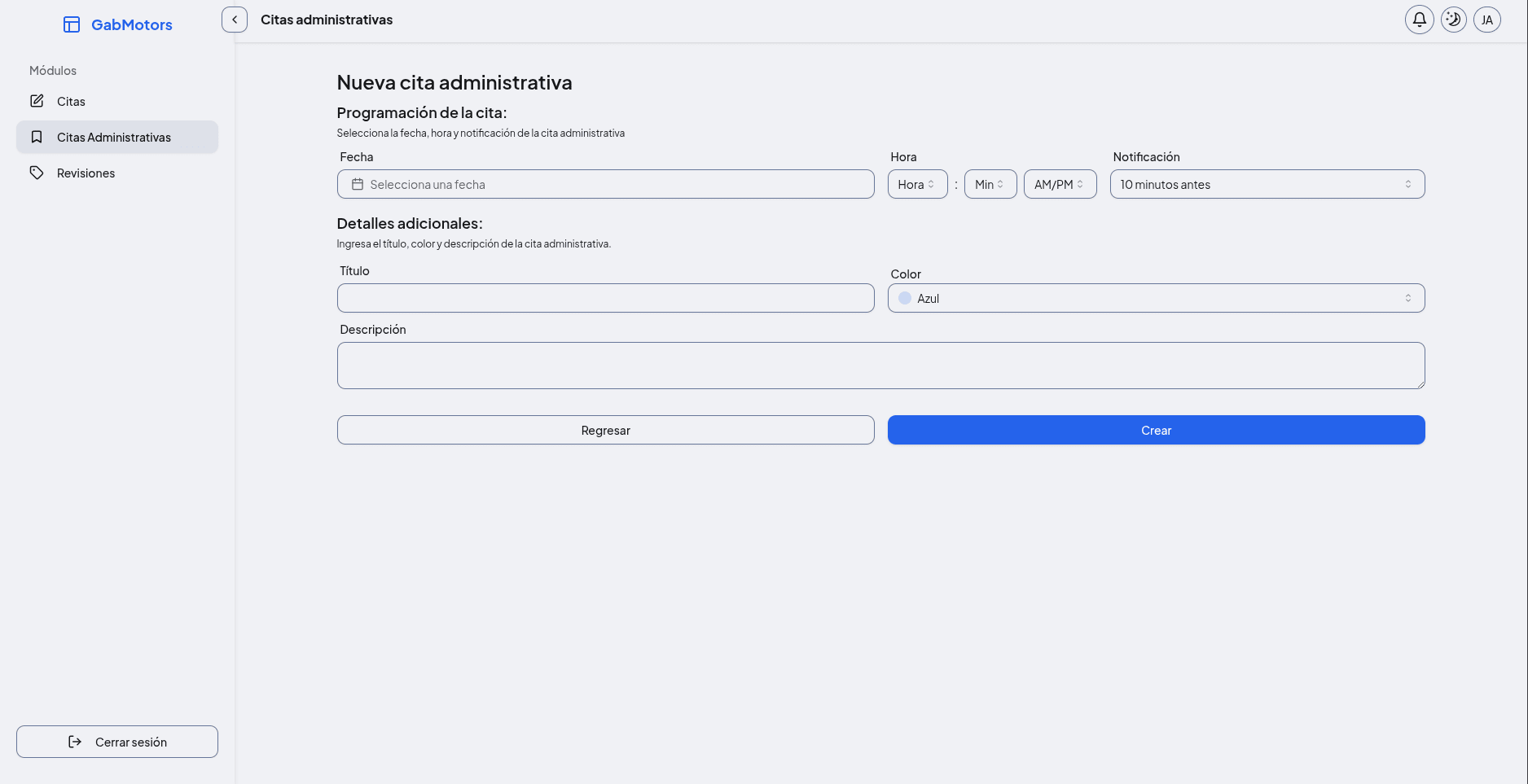
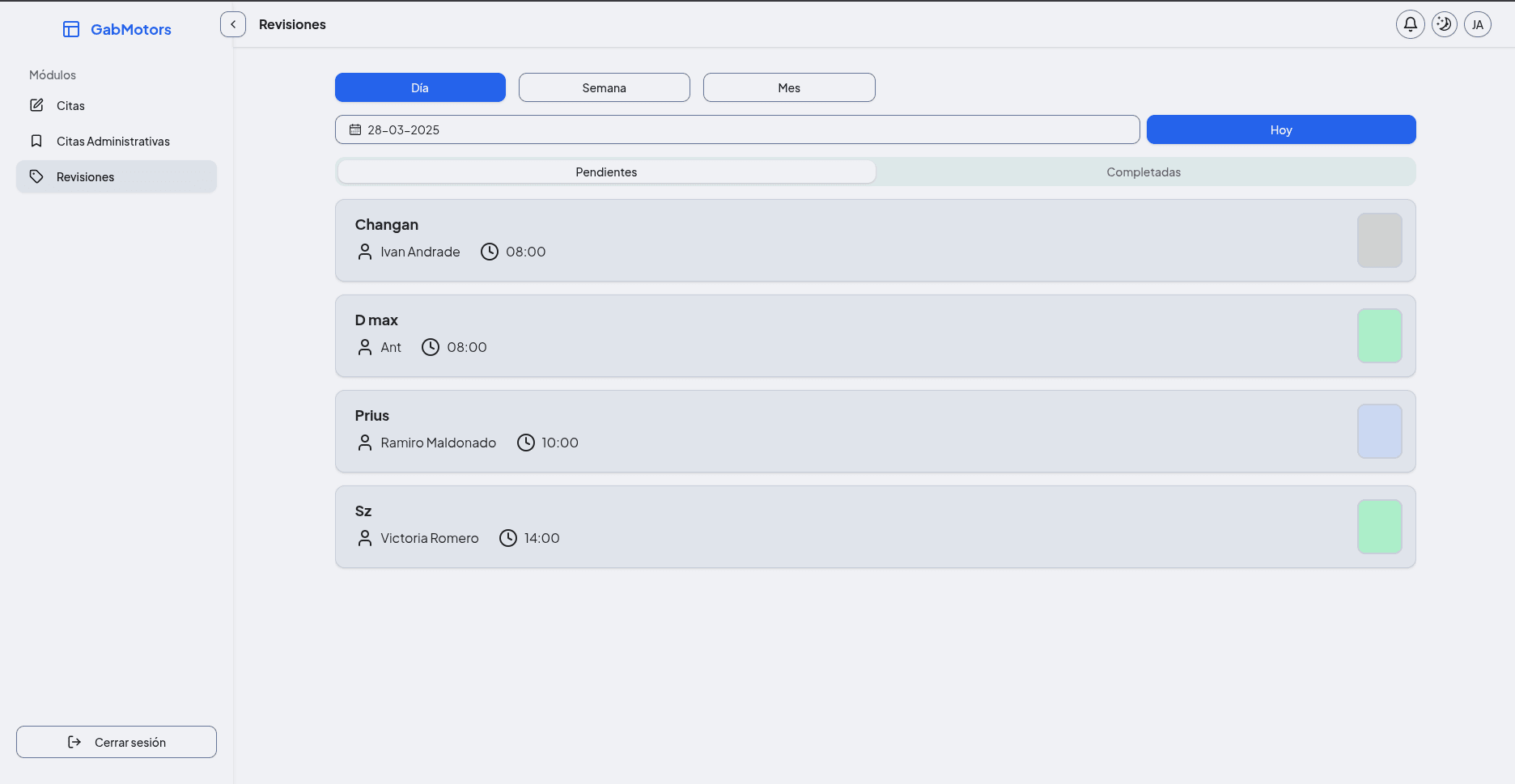
1 / 15
Team & Role
Frontend Development Lead
Led frontend in a 4-person team (2 FE, 2 BE), coordinating UI and real-time features.
Responsibilities
Frontend architecture and codebase setup
Core component development (calendar, tracking, notifications)
Real-time integration with backend APIs
Key Achievements
Custom calendar component tailored to business needs
Full real-time sync with push notifications
Load optimization via lazy loading and code splitting
Team Members

Pablo Villacrés
Frontend Lead Developer
- UI architecture
- Push notifications
- WebSocket integration

Patricio Jimenez
UI Developer
- Form validation
- Responsive design

Sebastián Camino
Backend Architect
- API design
- WebSocket server

Jair Mera
API Developer
- Firebase integration
- Data validation
Technical Stack
Frontend Technologies
Next.js
React framework for server-side and static site generation
TypeScript
Strongly typed language for scalable JavaScript development
Tailwind CSS
Utility-first CSS framework for responsive UI
Shadcn UI
Prebuilt accessible React components styled with Tailwind
React Query
Data-fetching library with smart caching and synchronization
Socket.io-client
Client-side WebSocket library for real-time communication
React Hook Form
Optimized form management for React apps
Firebase
Platform for messaging, auth, and cloud services
Service Workers
Background scripts enabling offline support and push notifications
Backend Technologies
NestJS
Modular Node.js framework with strong TypeScript support
Prisma
Type-safe ORM for relational databases
PostgreSQL
Reliable open-source relational database
Socket.io
WebSocket library for real-time bidirectional communication
JWT
Token-based authentication standard for secure access control
Firebase Admin
Server-side SDK for Firebase services
Docker
Container platform for reproducible deployments
DevOps & Infrastructure
GitHub Actions
CI/CD pipelines for automated testing and deployment
Docker Compose
Service orchestration tool for multi-container apps
Challenges & Solutions
Custom Calendar
Built from scratch to handle mechanic schedules, time slots, and availability with dynamic views.
Solution
Implemented a custom calendar engine with reusable logic for day, week, and month views, ensuring intuitive scheduling and conflict detection.
Push Notifications
Token management, device targeting, and role-based notification strategies via Firebase.
Solution
Integrated Firebase Cloud Messaging with role-based logic, persistent tokens, and cross-browser compatibility using Service Workers.
WebSocket Communication
Real-time event-driven updates across users, rooms, and system modules.
Solution
Structured channels by roles and features using Socket.io, with authentication and reconnection handling across sessions.
Performance Tuning
Reduced load times by 40% with code splitting, lazy loading, and smart prefetching.
Solution
Optimized module loading based on user roles, deferred non-critical scripts, and cached query responses with React Query.
Browser Compatibility
Handled iOS-specific issues with fallback strategies and detailed logging.
Solution
Implemented browser-specific handling, fallback notification patterns for iOS, and reactive logging for debugging edge cases.
Learning Outcomes
New Skills Acquired
React Query (TanStack)
Hands-on experience managing server state and optimizing data fetching.
- Caching strategies
- Background refresh
- Parallel queries
Firebase Cloud Messaging
Deep dive into real-time messaging and push notification systems.
- Token encryption
- Permission flows
- Cross-browser delivery
Technical Lessons
Flexible Architecture
Adapting technical decisions as project needs evolve.
- Adapting structure to evolving needs
- Balancing flexibility with clarity
Socket Design
Designing a robust real-time communication layer with Socket.io.
- Room-based channels
- Session persistence
- Secure authentication
Areas for Improvement
Mobile-First Framework
React Native might have simplified native features like notifications.
Socket-Data Synchronization
Reducing the reliance on refetching with more efficient local state updates.