Project Overview
Client Information
Company
Dizasa Diesel Intelligence
Location
Latacunga, Ecuador
Industry
Automotive & Mechanical Services
Challenge
Prior to the digital system, Dizasa operated with entirely manual processes for work orders. Orders were written by hand, leading to human errors, lost documentation, and lack of standardized processes. The company needed a comprehensive digital solution to standardize their workflow, reduce manual errors, and provide better service tracking for their clients.
Key Benefits Delivered
Process Standardization: Complete digitization of work order creation and management
Error Reduction: Eliminated manual transcription errors through guided step-by-step forms
Document Management: Secure digital storage and retrieval of all work orders and reports
Client Transparency: Real-time order tracking through dedicated client portal
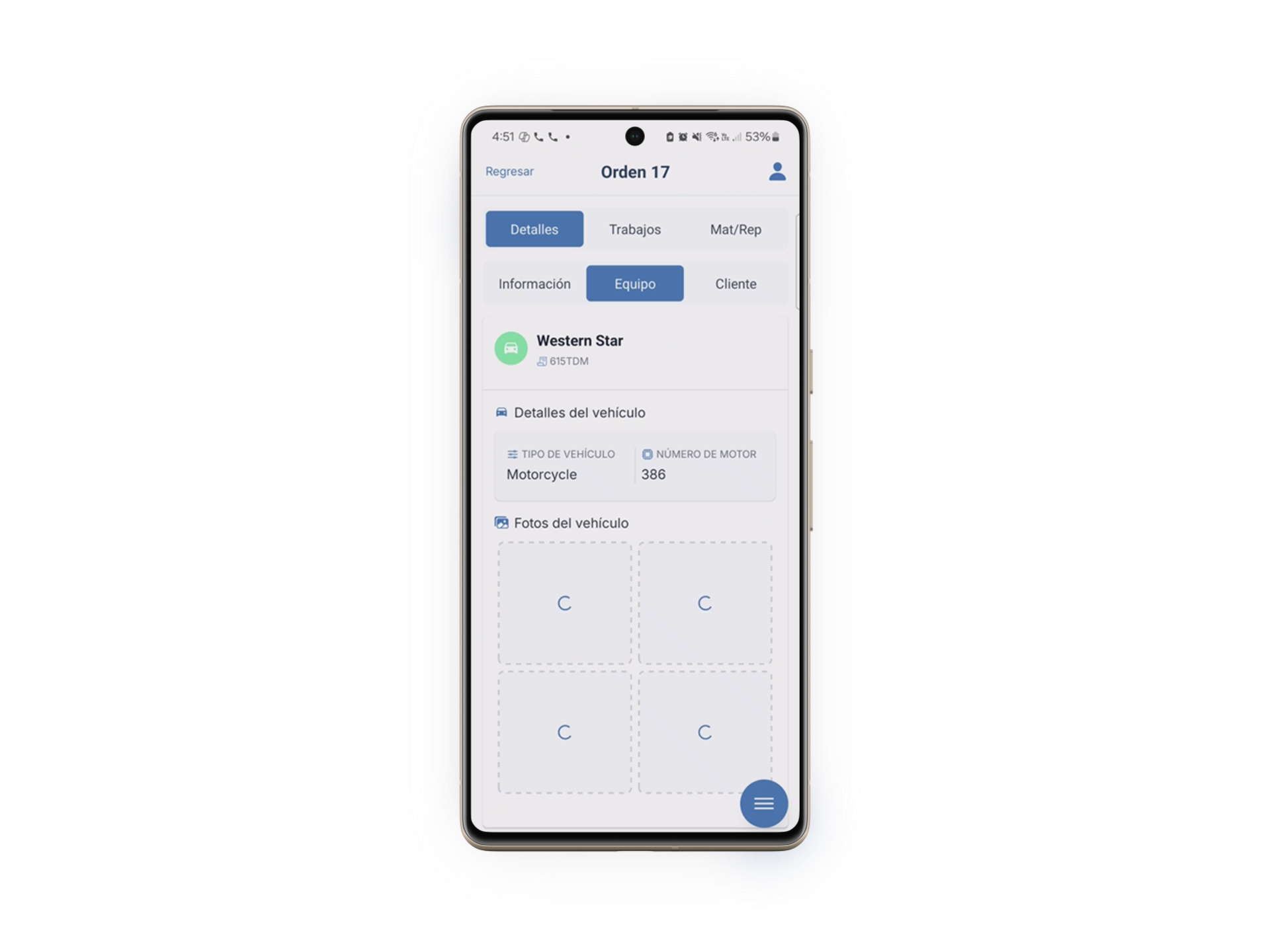
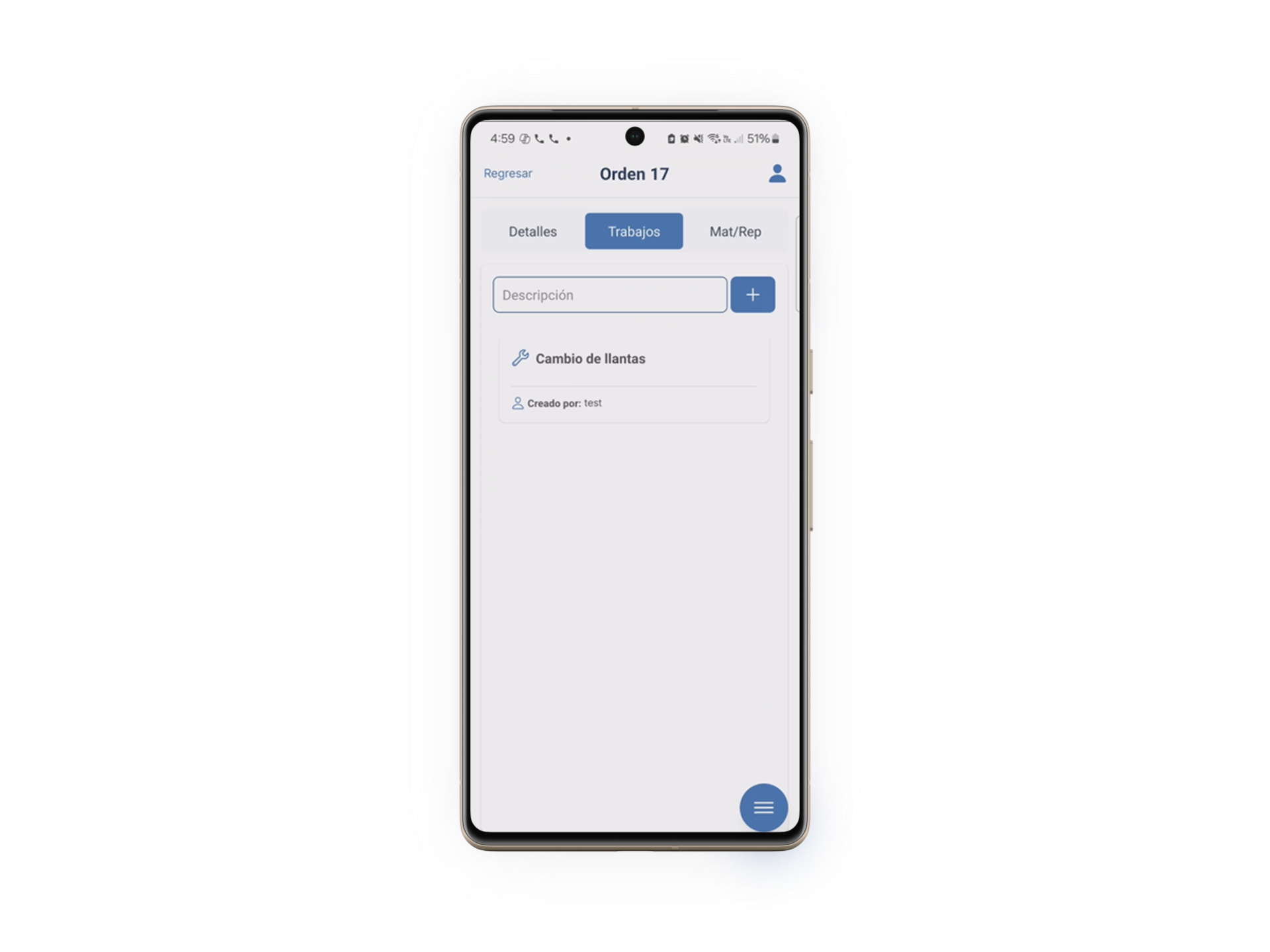
Mobile Accessibility: Full workshop management capabilities on mobile devices
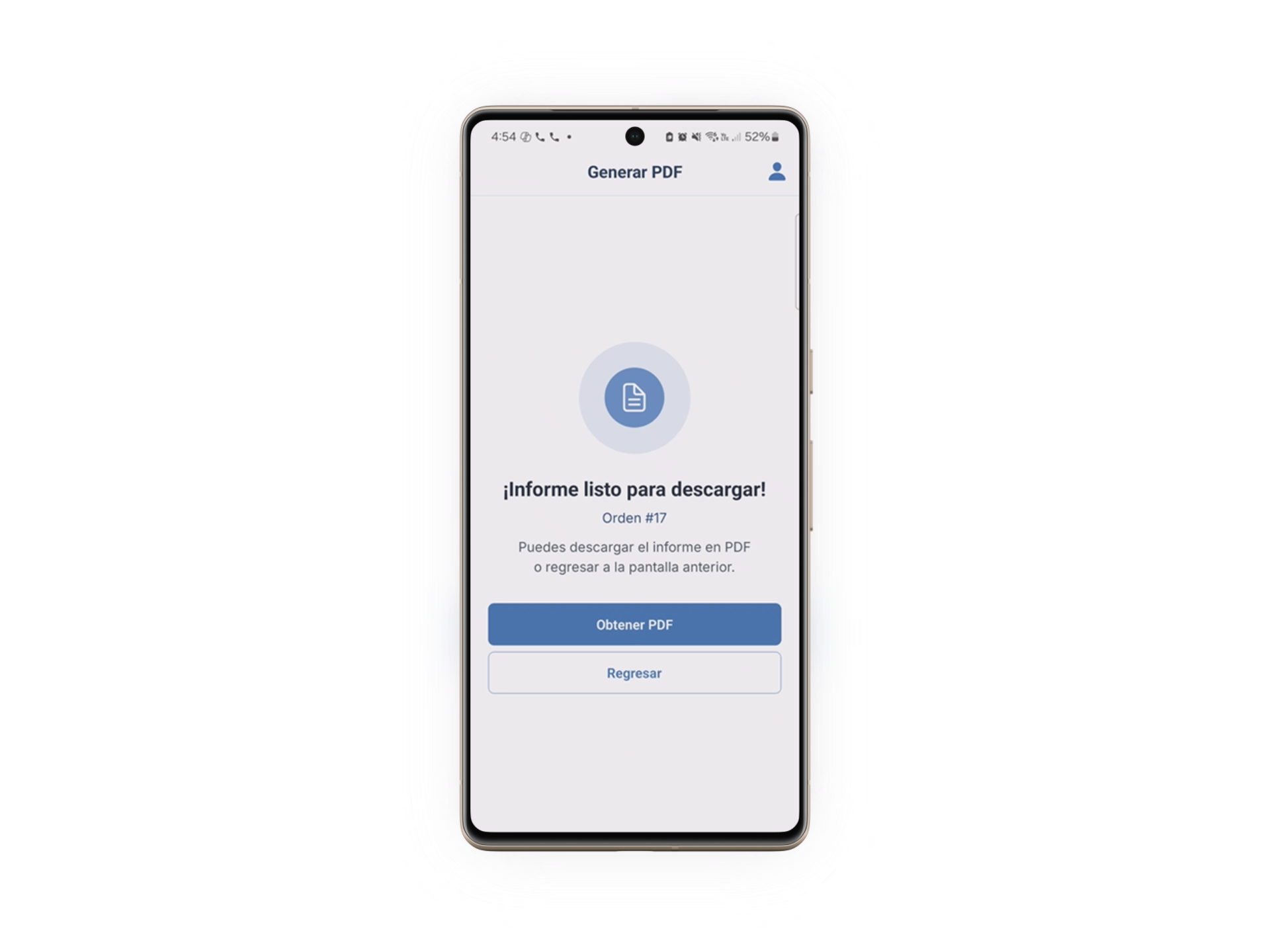
PDF Generation: Professional reports for both initial orders and final work summaries
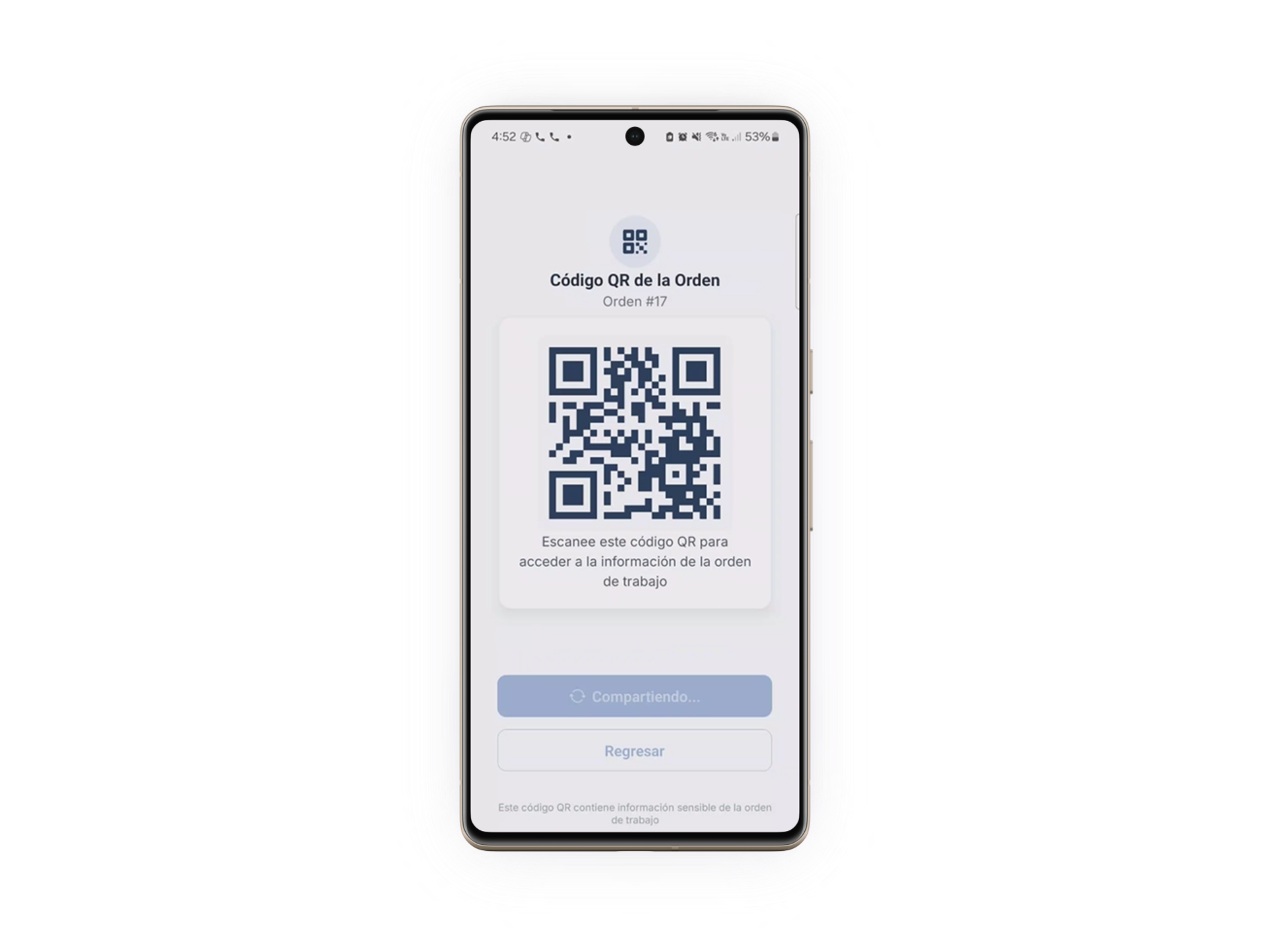
QR Code Integration: Quick order access for mechanics through QR scanning
Multi-platform Solution: Integrated mobile app with web admin panel and client portal
Key Features
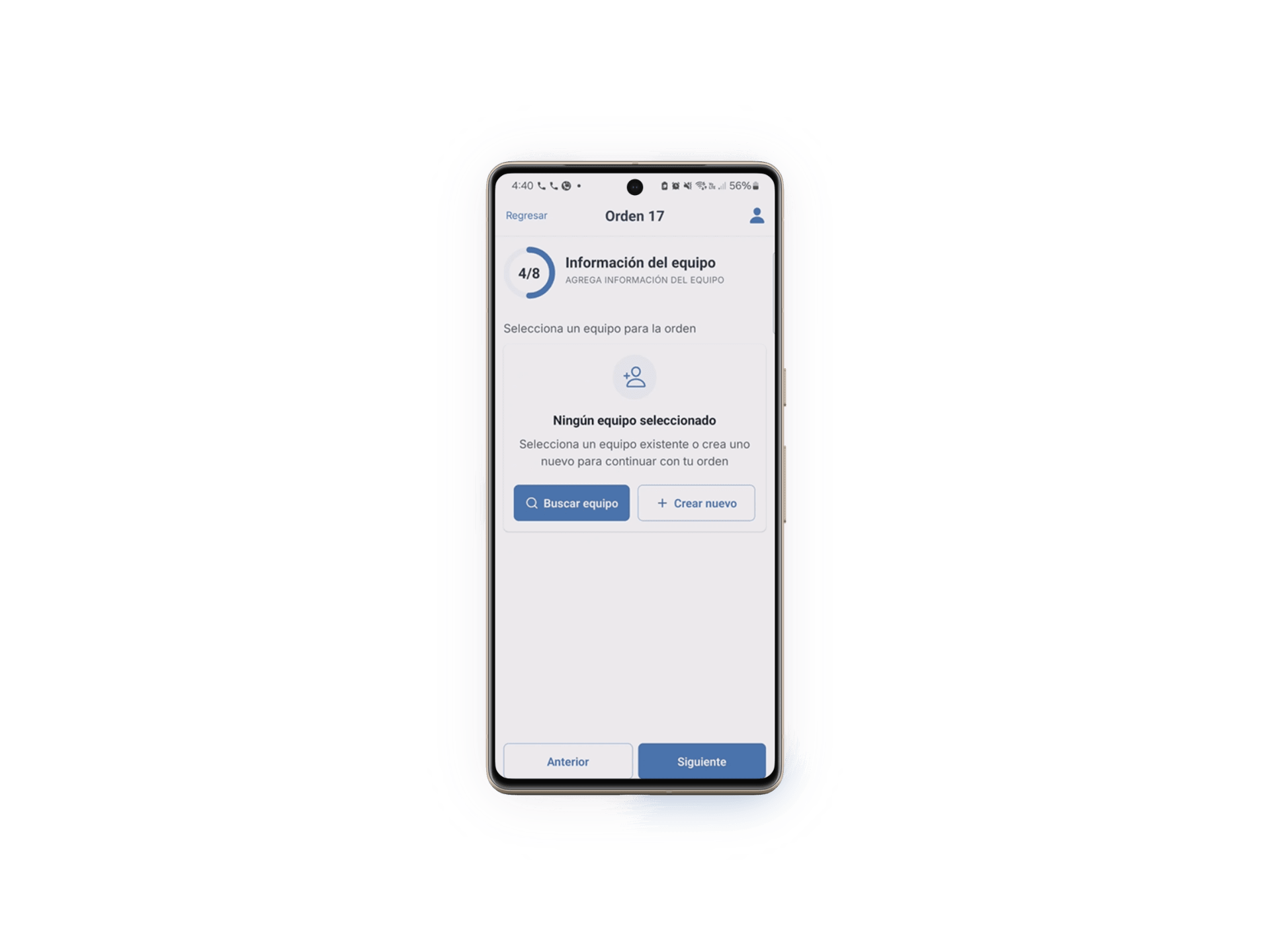
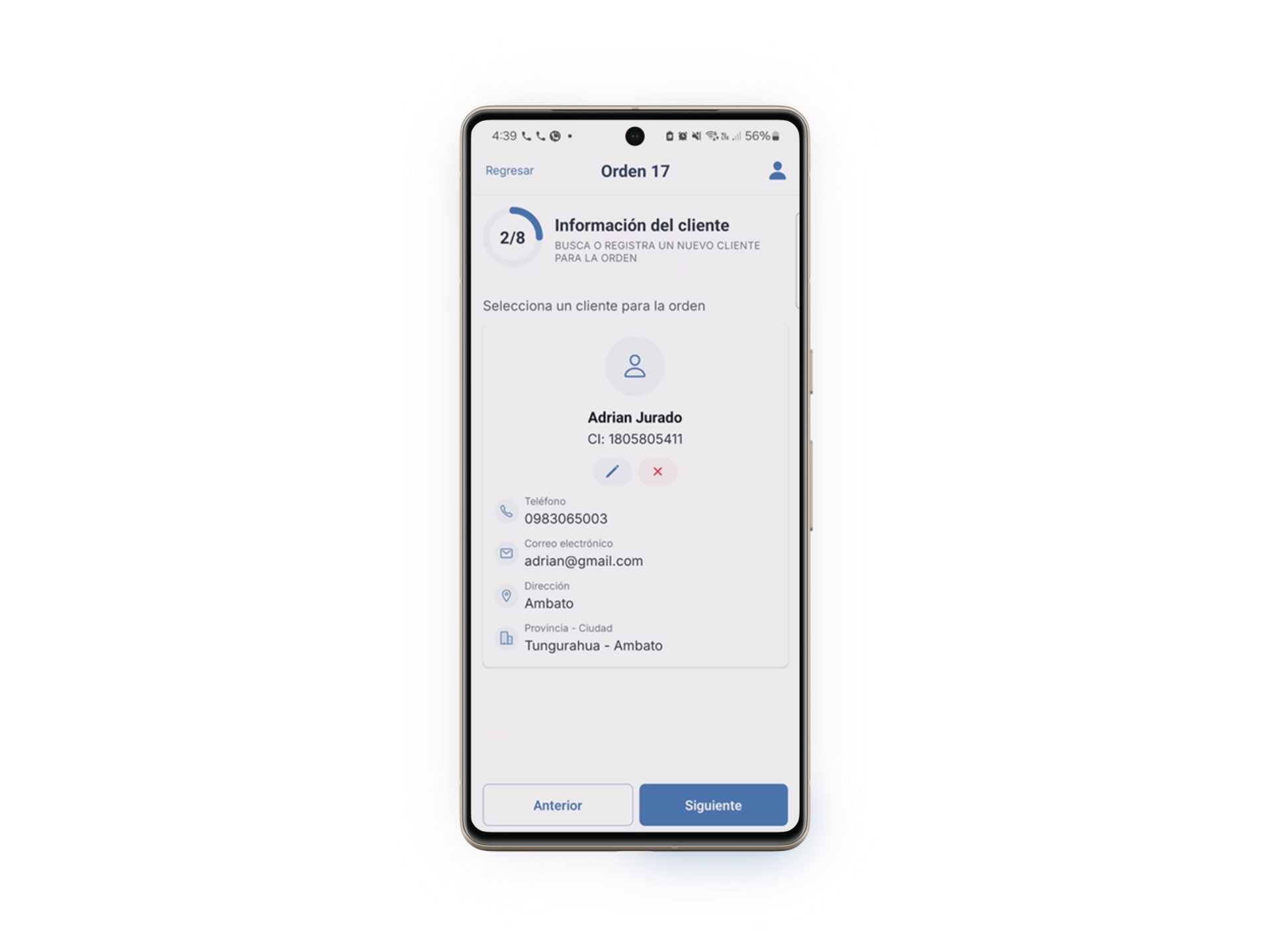
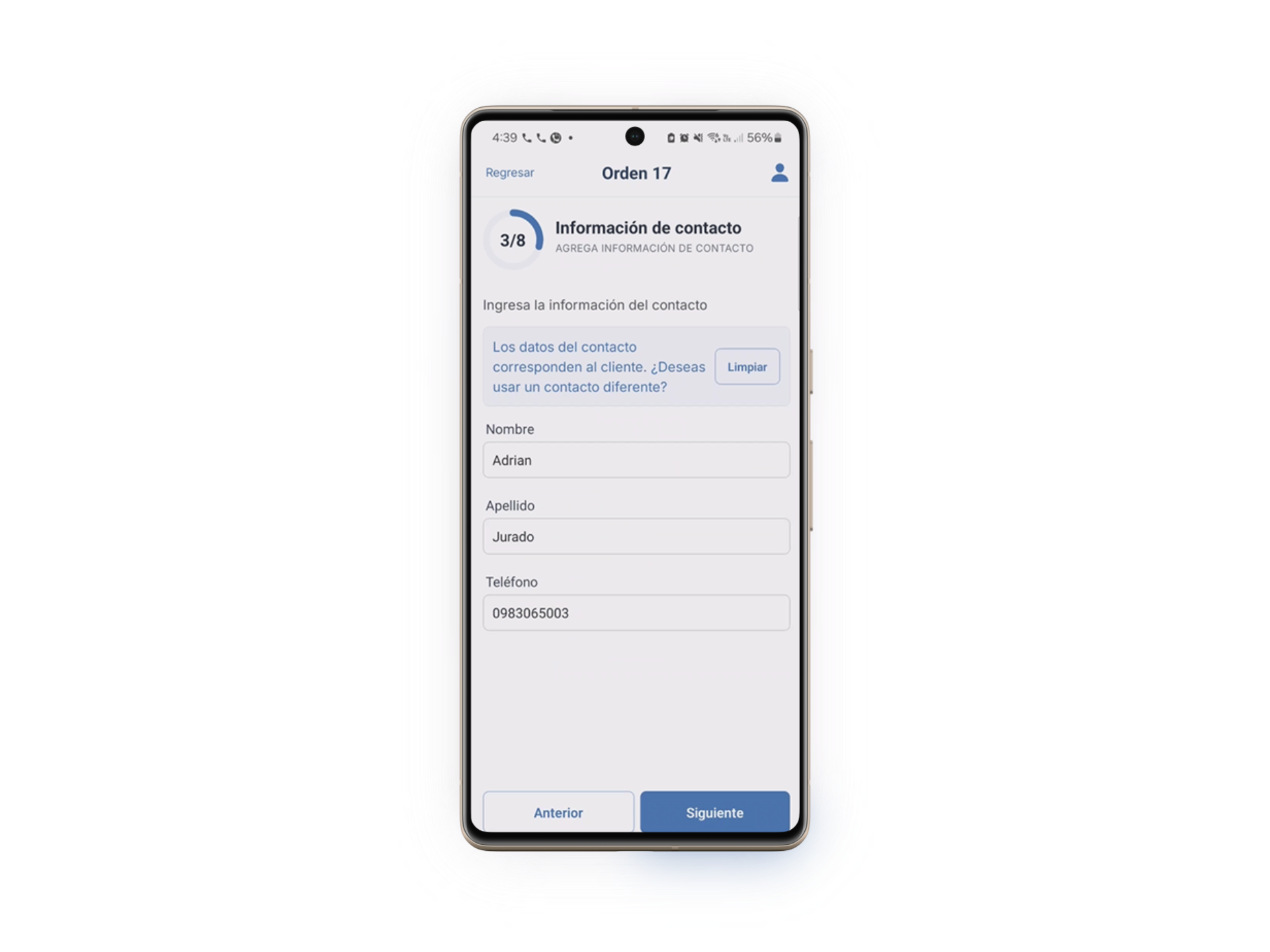
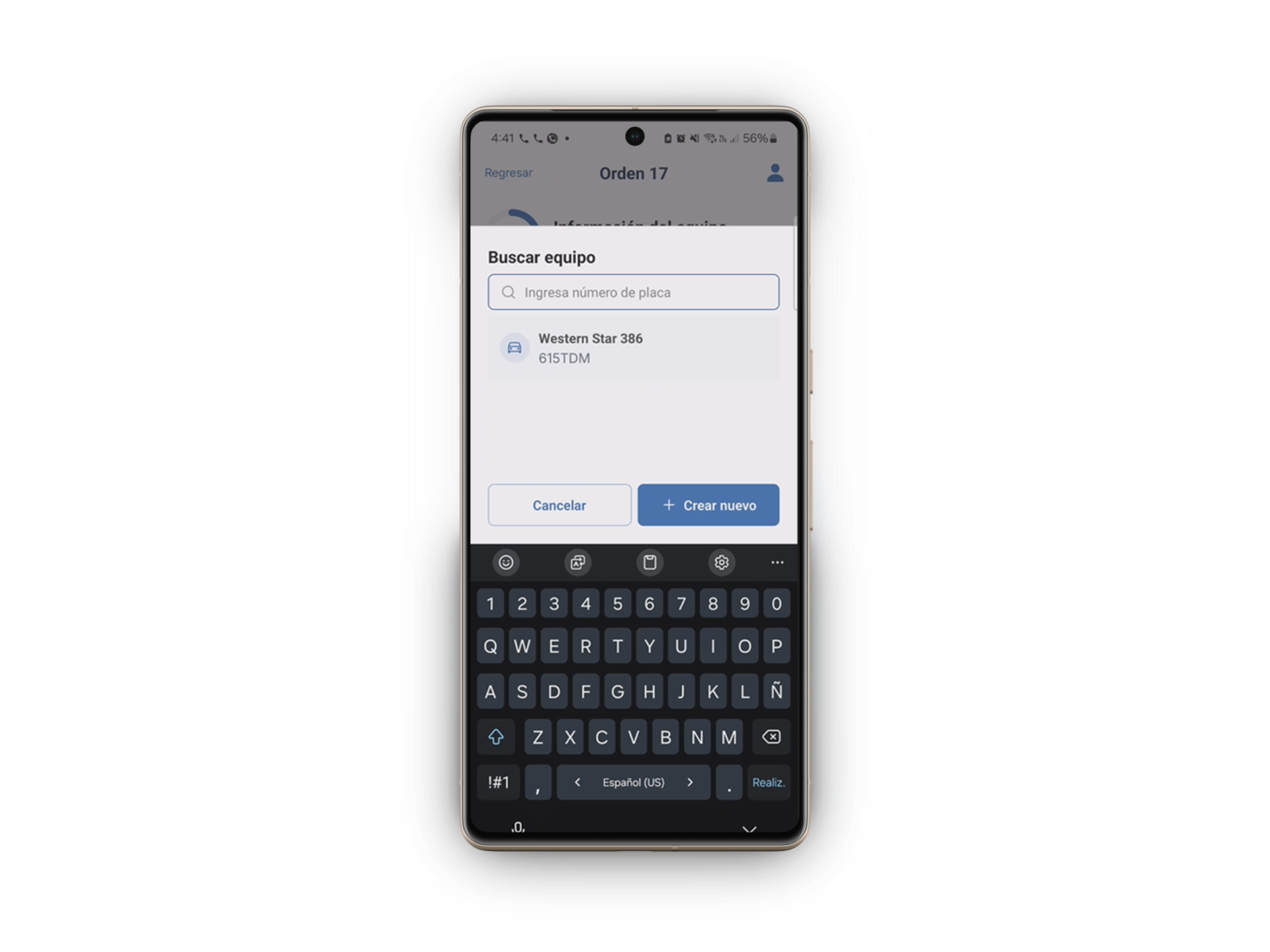
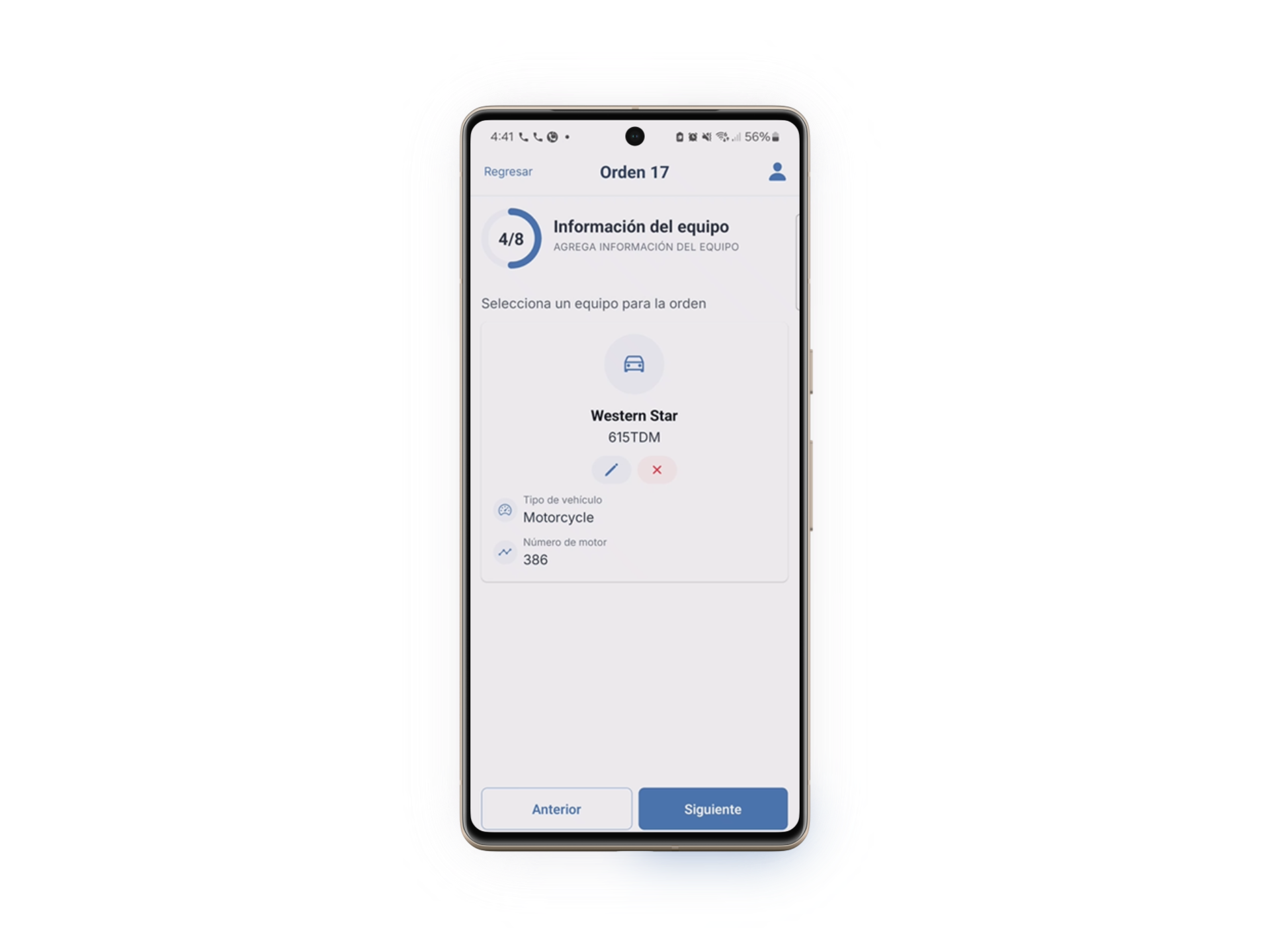
Step-by-Step Work Order Creation
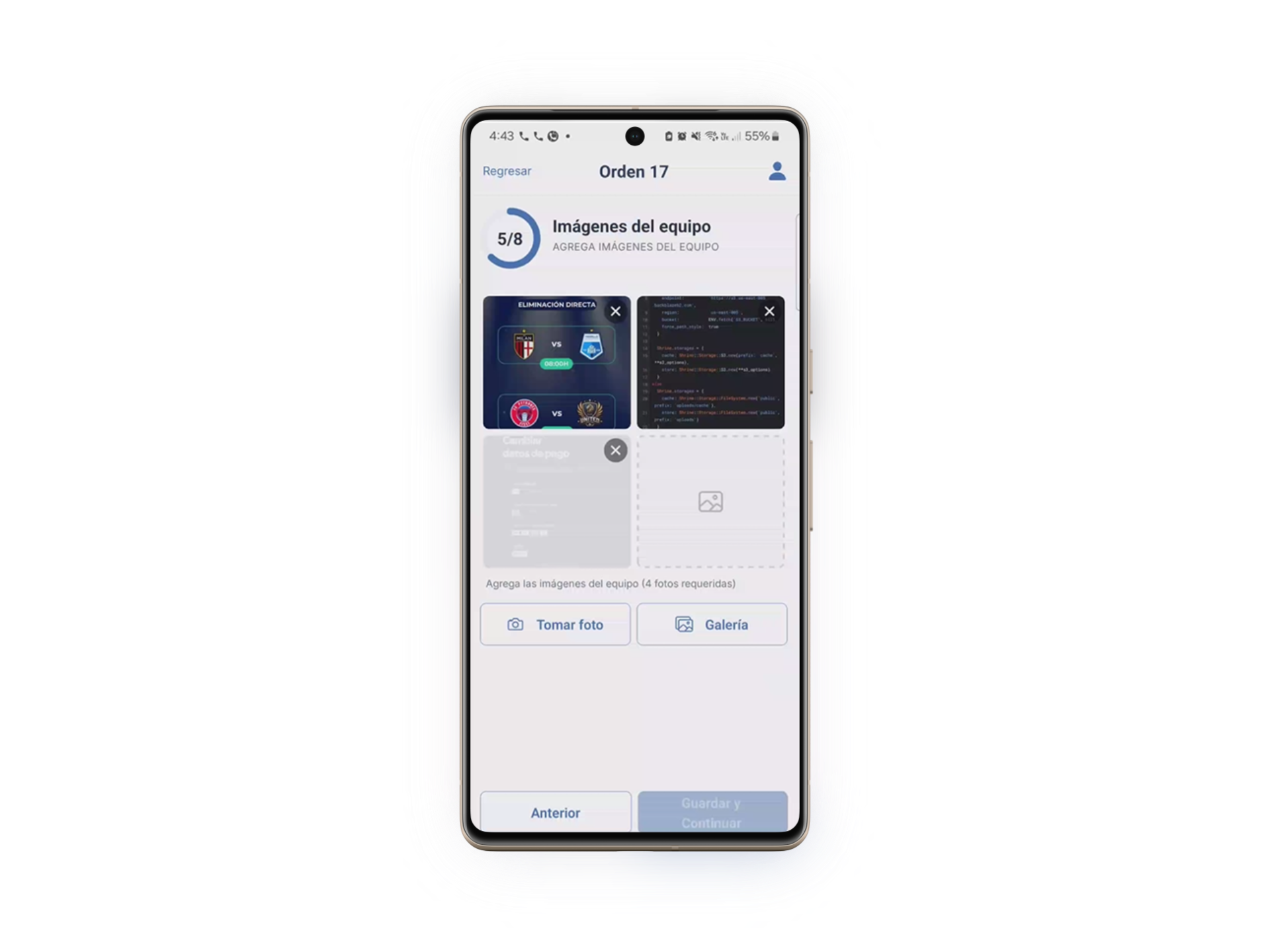
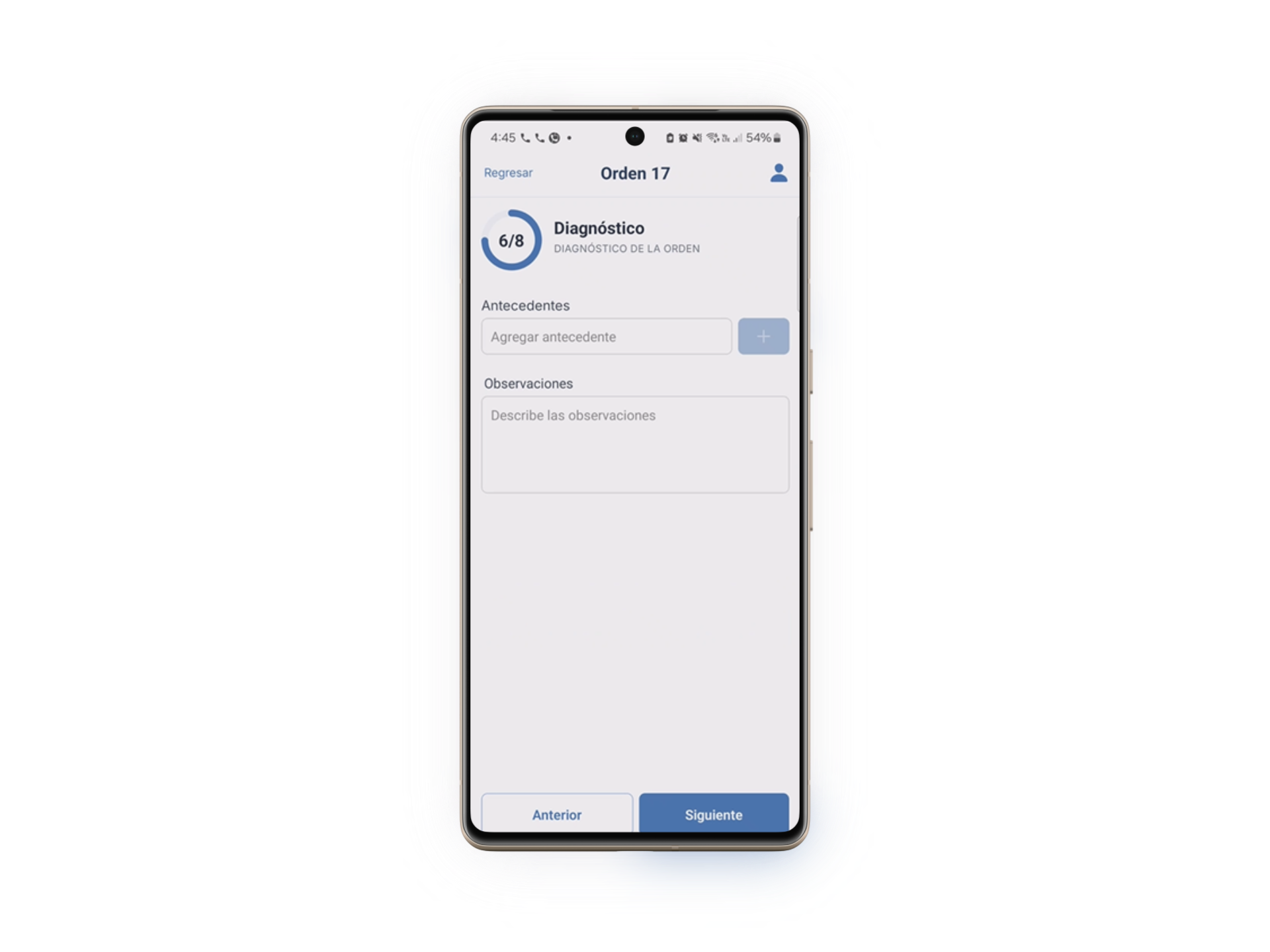
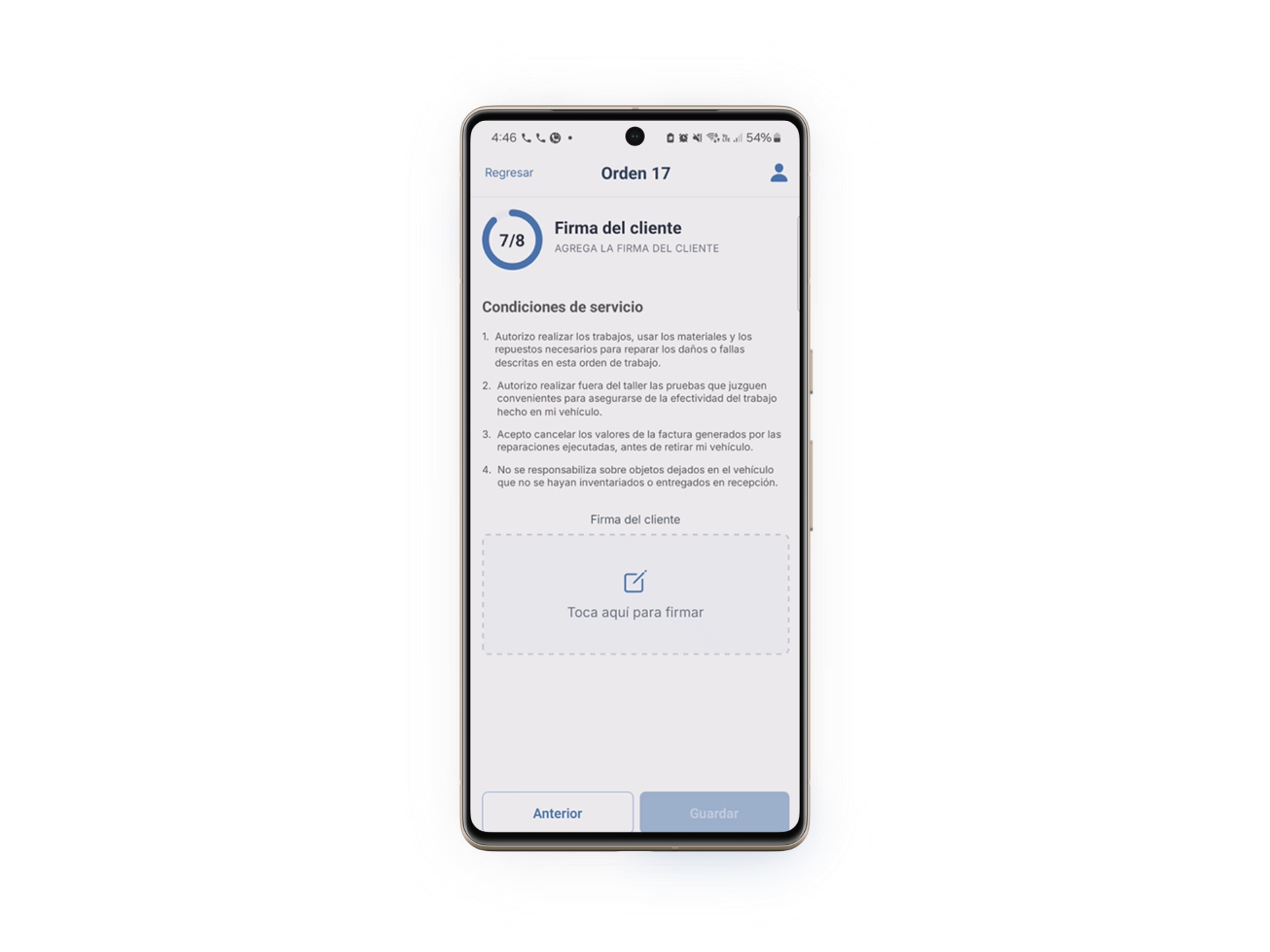
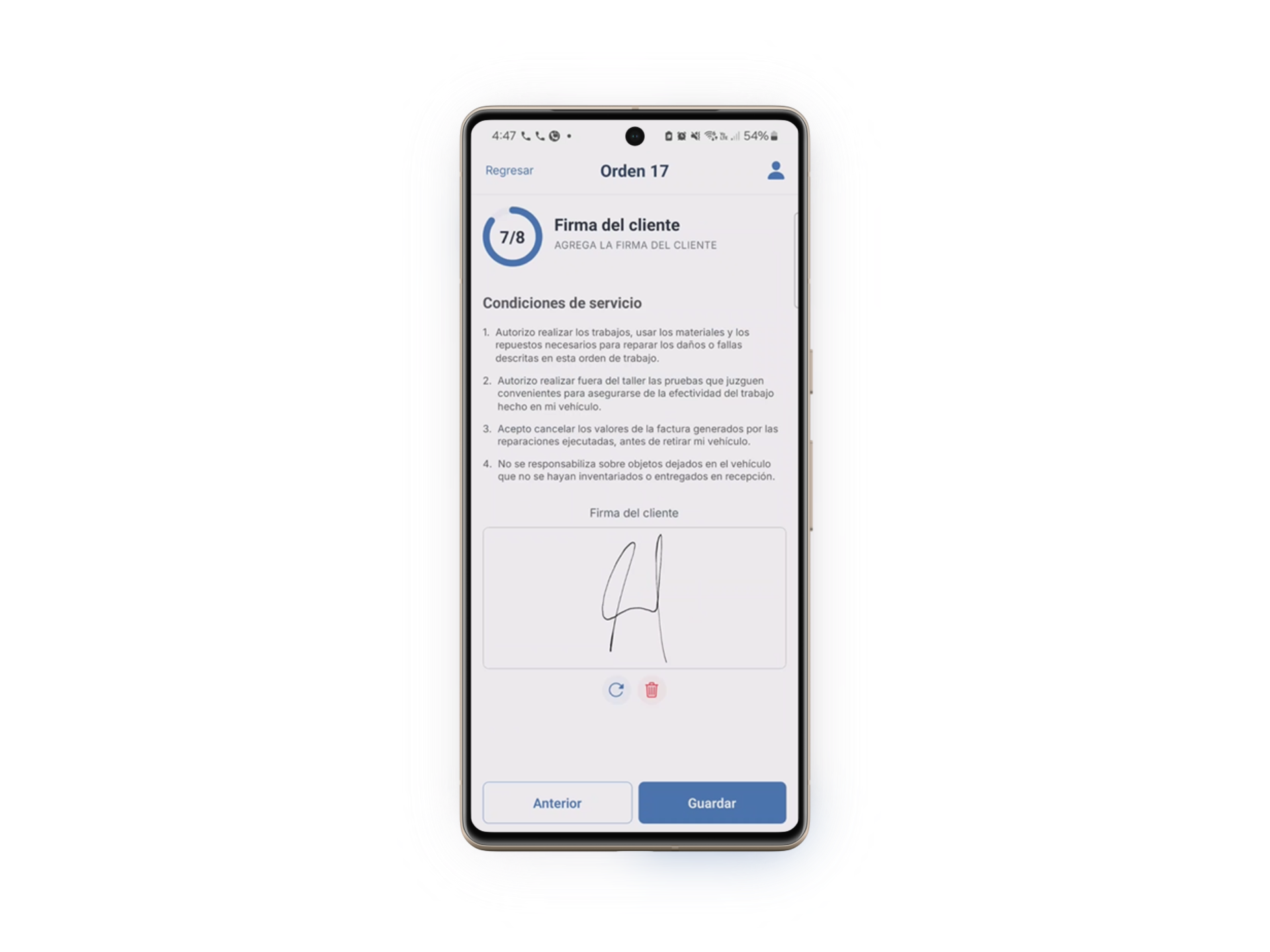
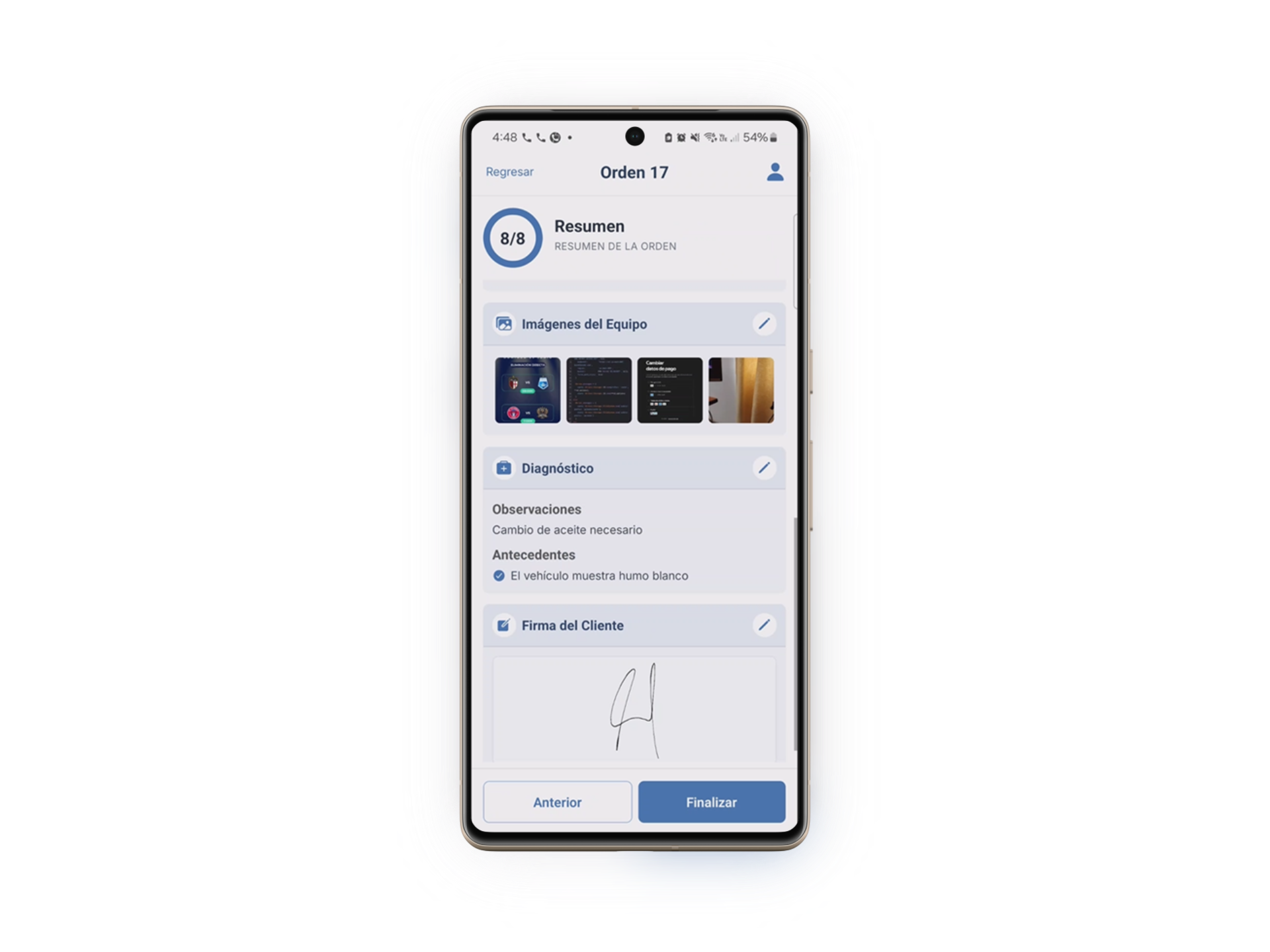
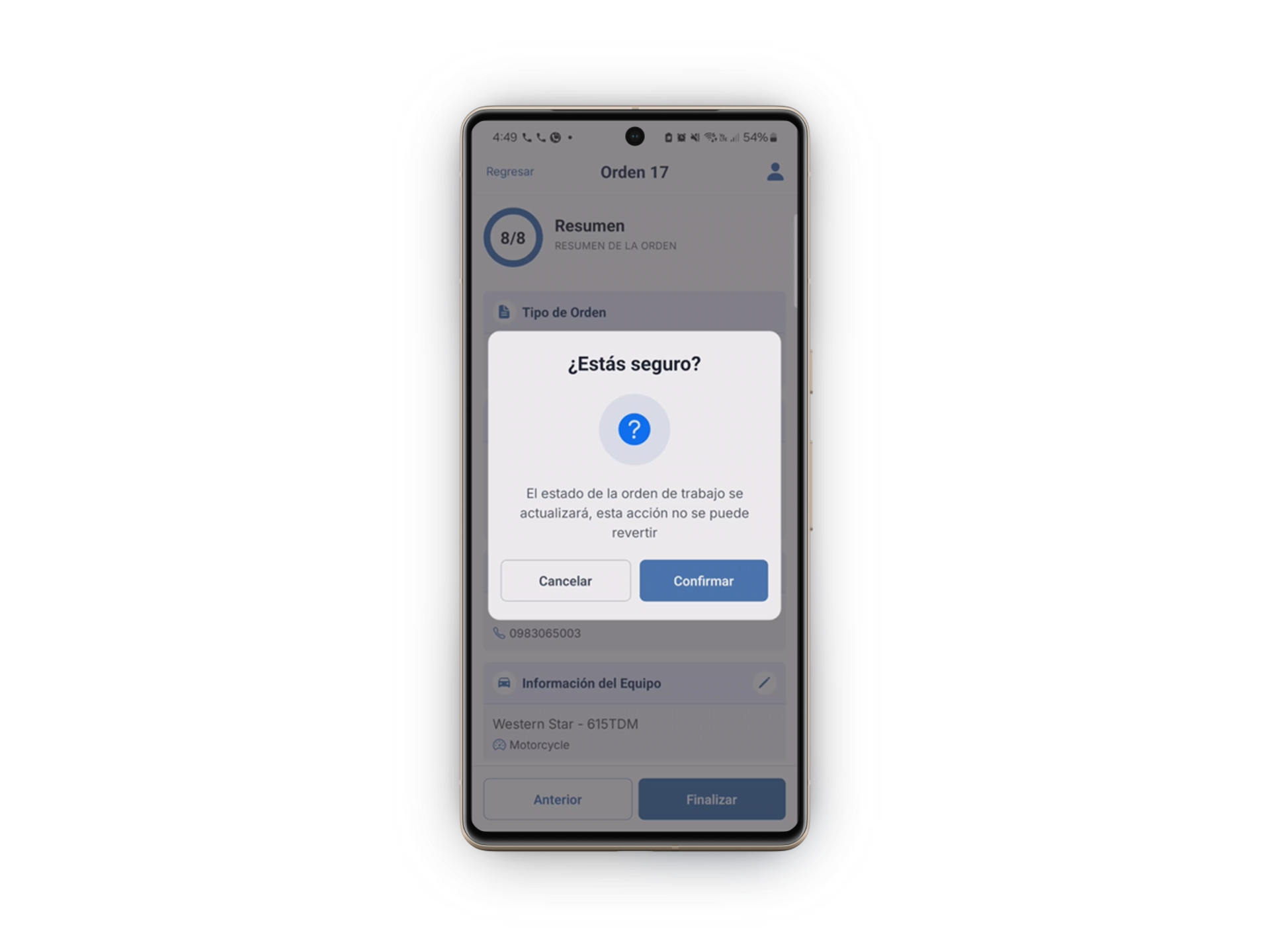
A comprehensive 8-step guided process that ensures complete information capture while preventing user errors through intelligent validation and contextual guidance.
Intuitive wizard interface with progress tracking and step validation
Smart form pre-population based on client history and equipment data
Real-time validation with helpful error messages and suggestions
Draft saving capability allowing users to resume incomplete orders
Role-based access controls ensuring appropriate permissions per user type
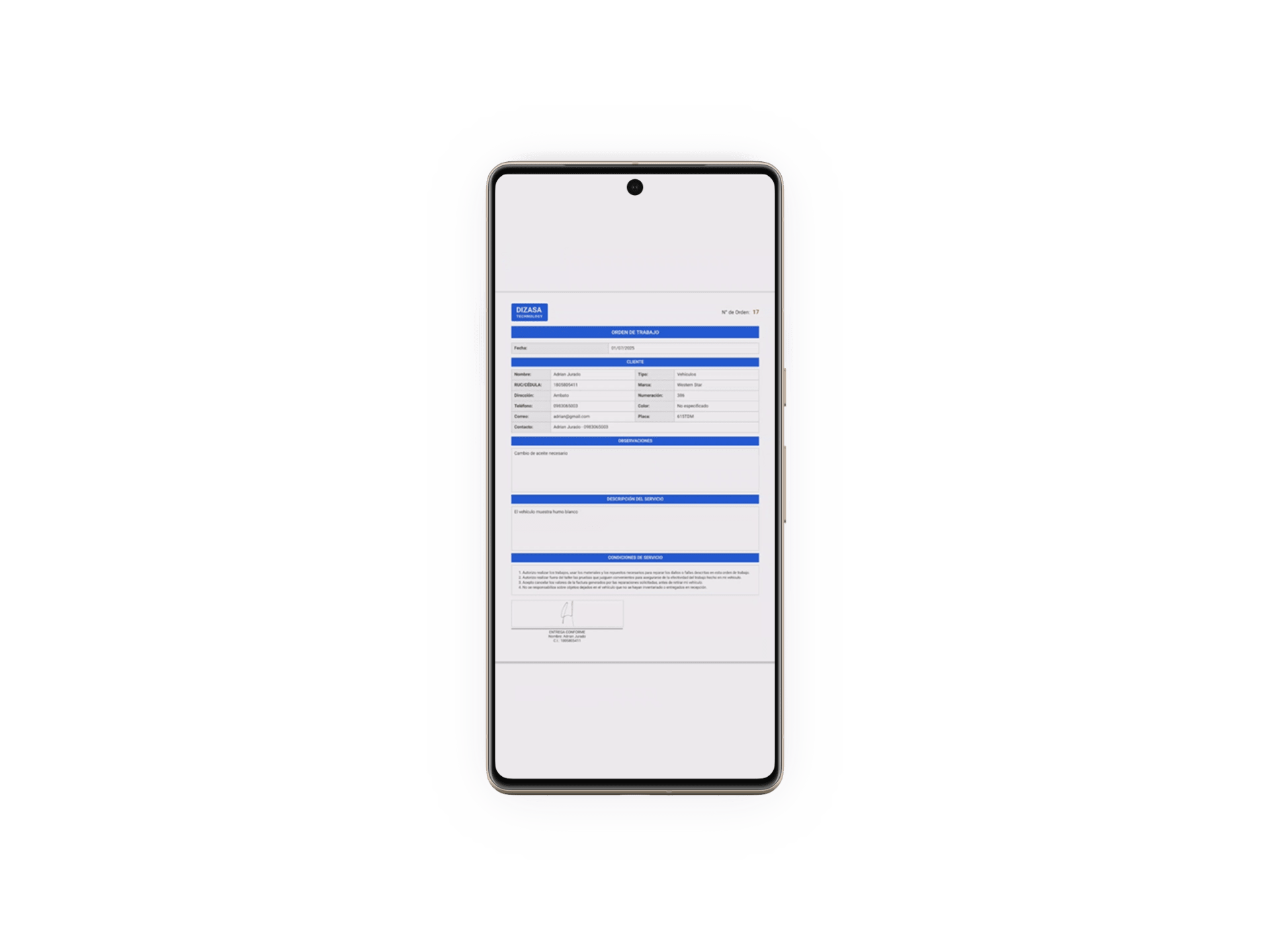
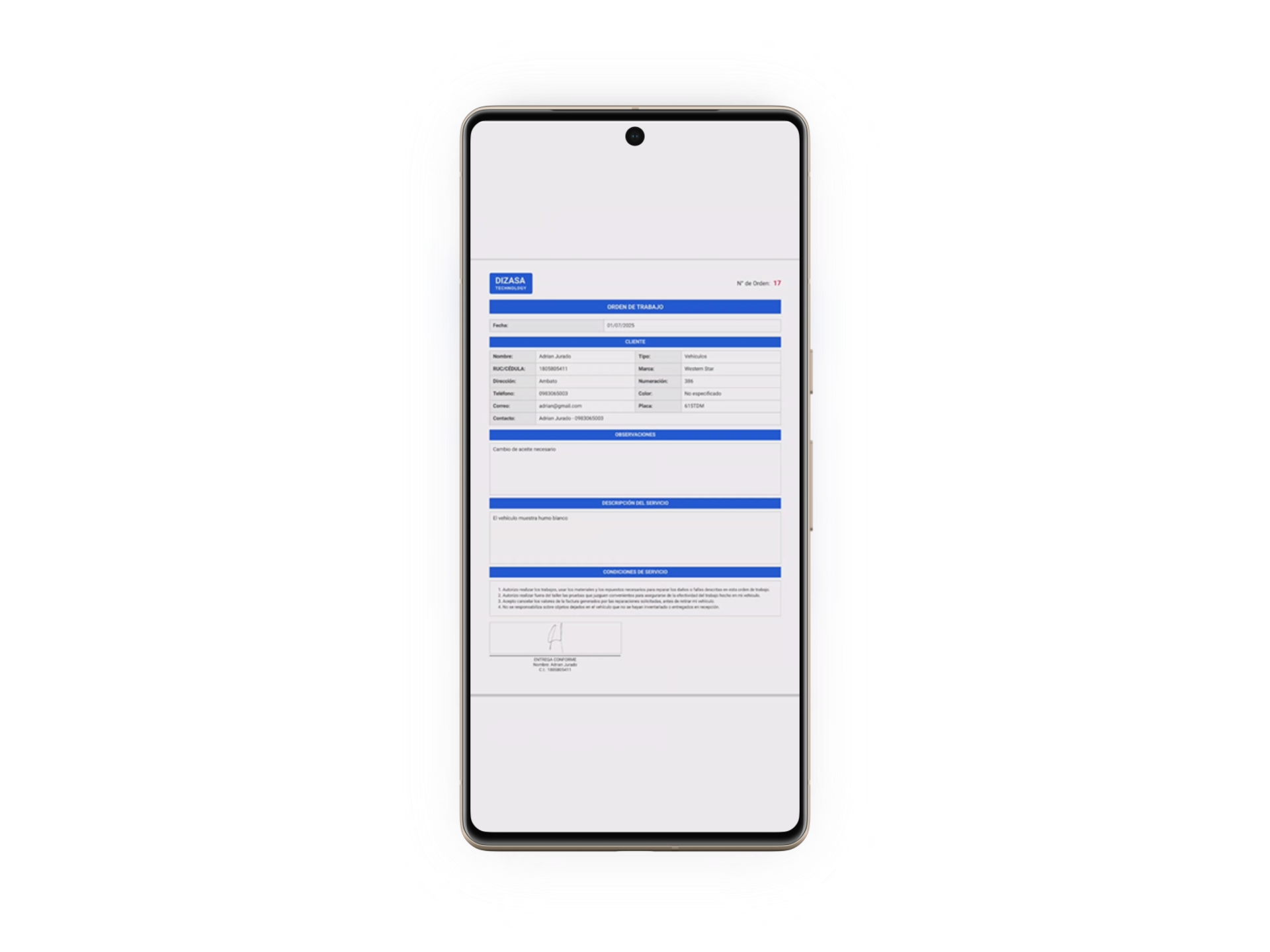
Dual PDF Generation System
Professional document generation system creating both initial work orders and comprehensive final reports with consistent branding and detailed technical information.
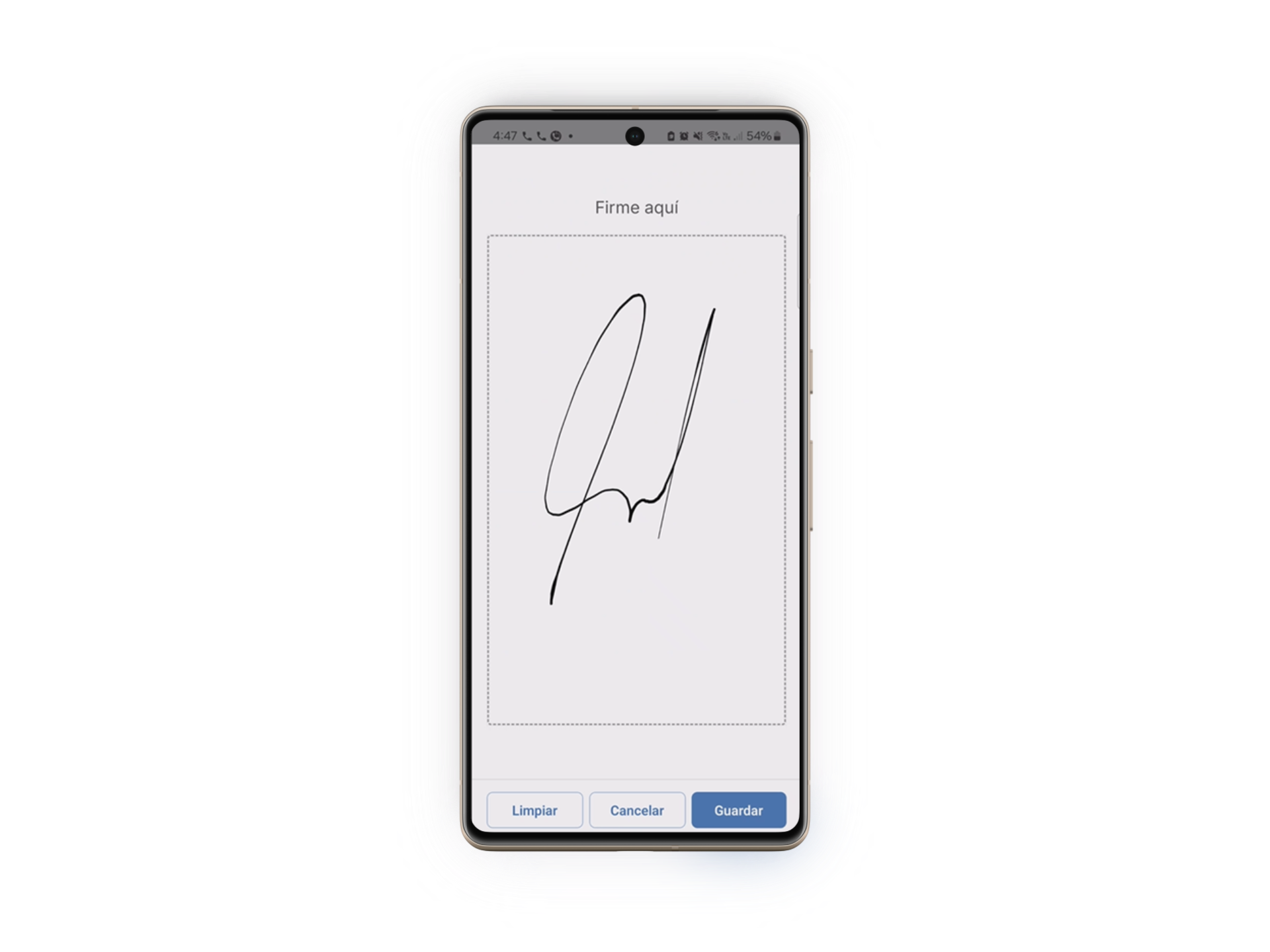
Initial PDF generation with client signature capture and equipment photos
Final technical reports including work performed, parts used, and conclusions
Cross-platform compatibility using Expo Print for mobile and React PDF for web
Consistent formatting and branding across all generated documents
Automatic file naming and organization for easy retrieval
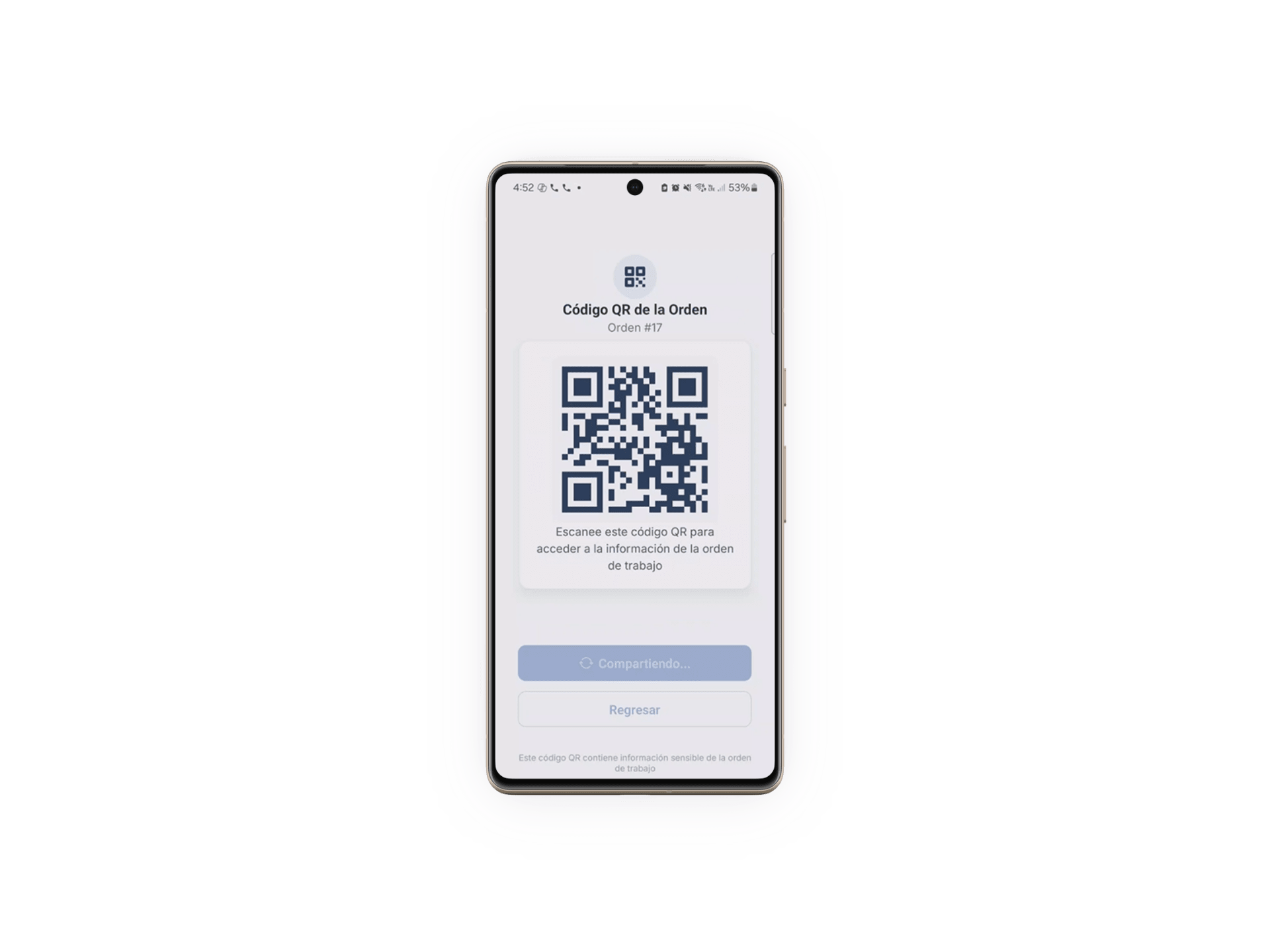
QR Code Integration & Mobile Optimization
Seamless QR code system enabling mechanics to quickly access work orders while providing optimized mobile experience for field work.
Automatic QR code generation for each work order with embedded tracking data
Camera-based QR scanning with instant order retrieval and validation
Offline-capable mobile interface for workshop environments with poor connectivity
Touch-optimized UI components designed specifically for workshop conditions
Digital signature capture with stylus and finger support
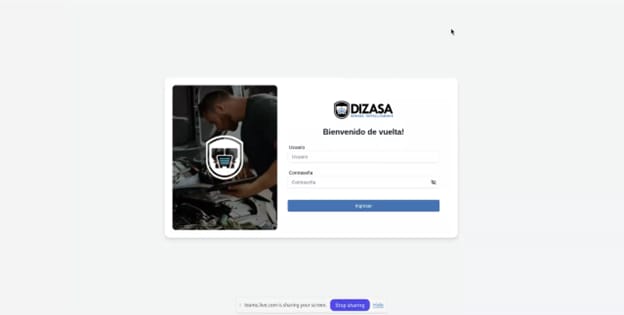
Multi-Platform Ecosystem
Complete workshop ecosystem including mobile application for field work, web admin panel for management, and client portal for order tracking and transparency.
Native mobile app for mechanics and workshop staff with full offline capabilities
Comprehensive web admin panel for order management, reporting, and user administration
Client-facing web portal for real-time order status tracking and history
Role-based dashboards tailored to mechanics, secretaries, and administrators
Synchronized data across all platforms with real-time updates
Project Gallery
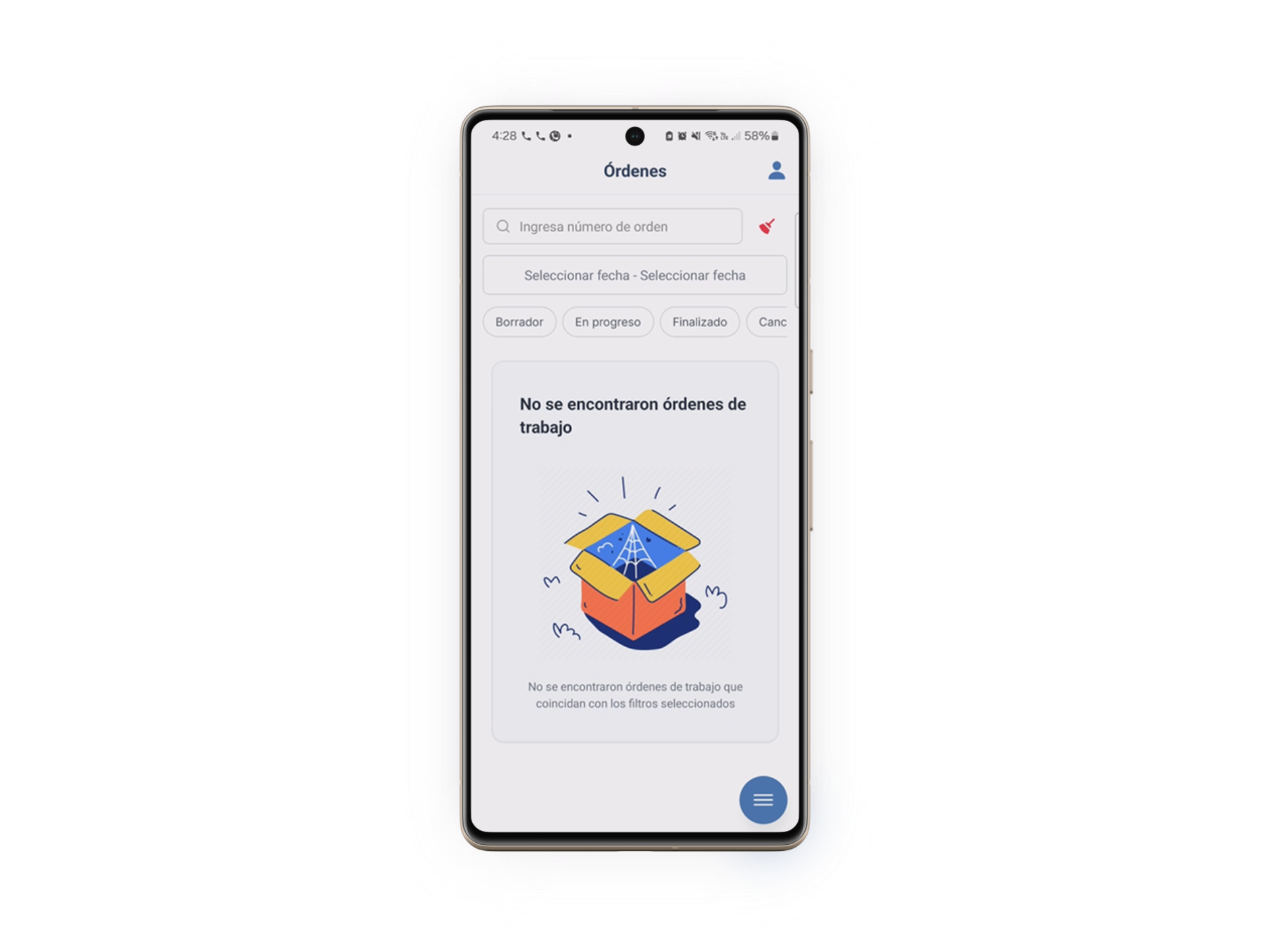
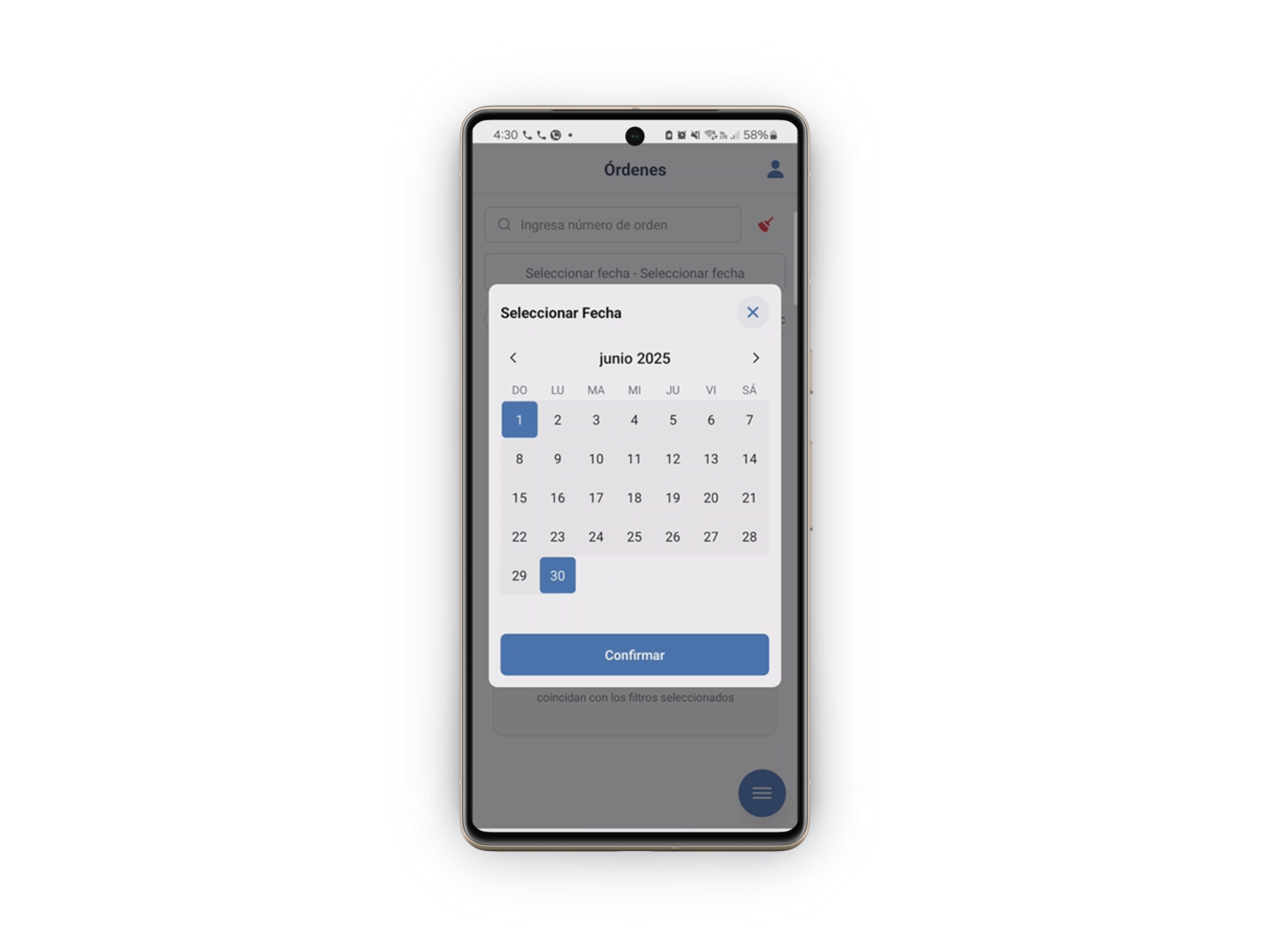
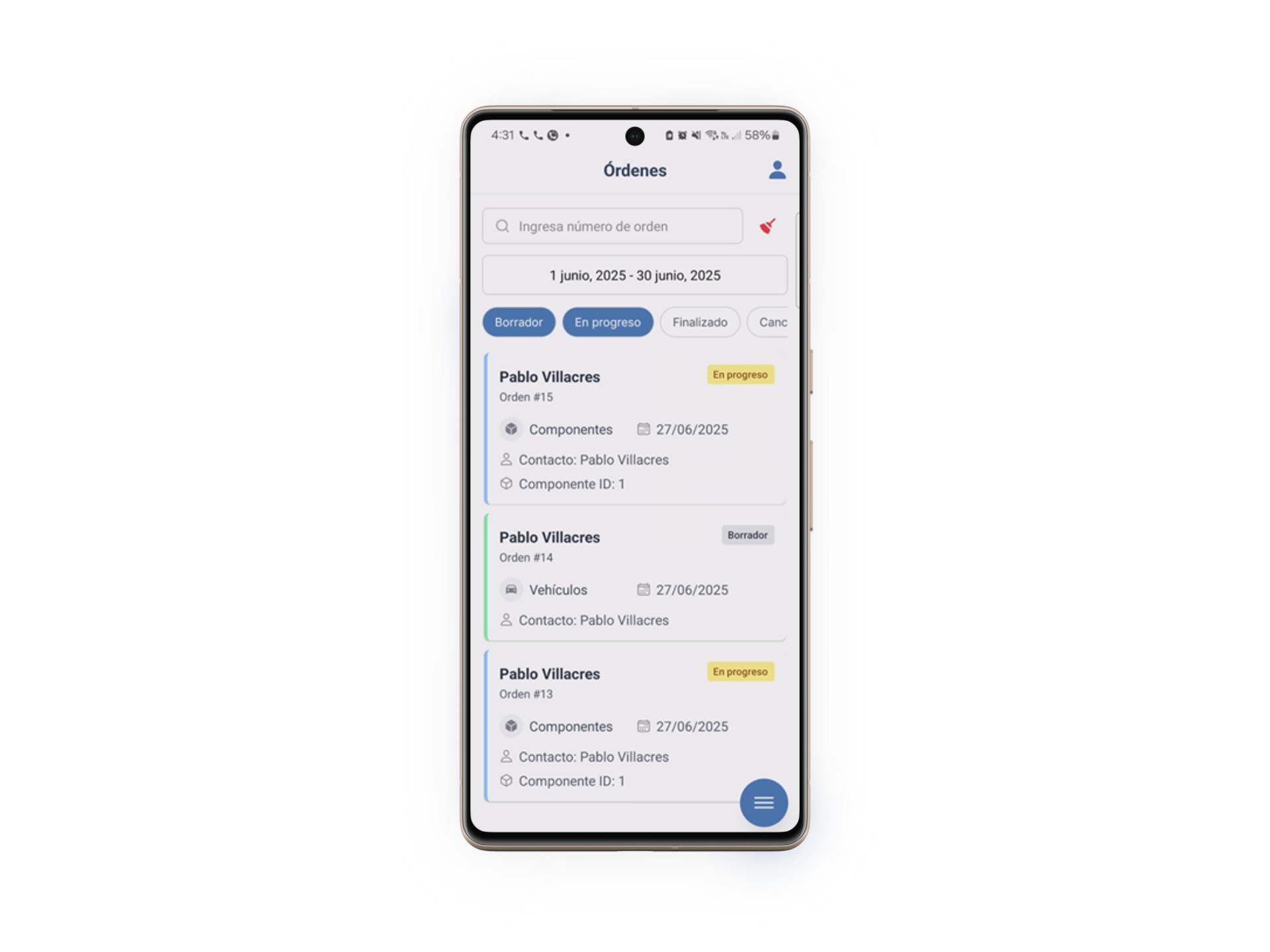
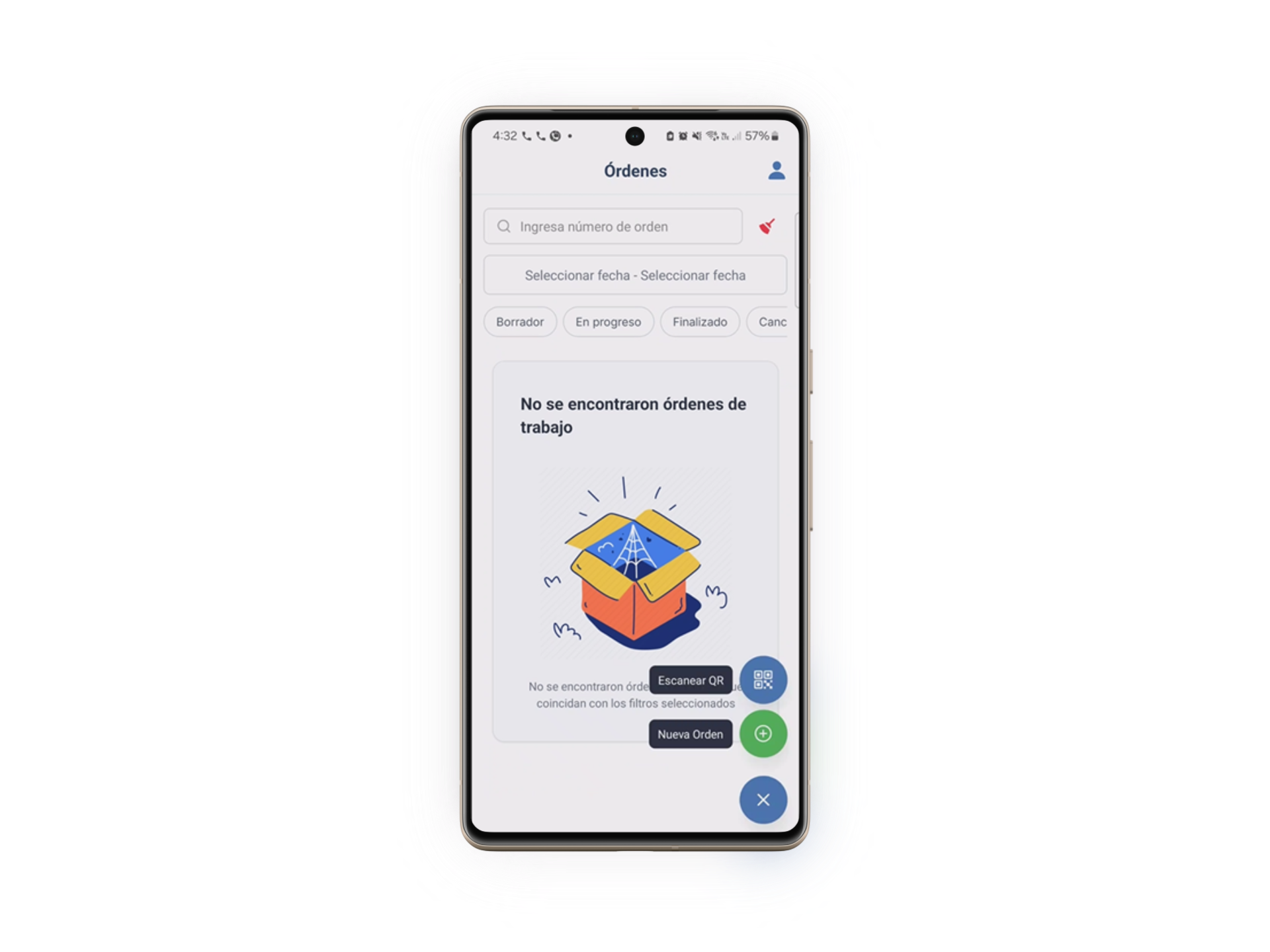
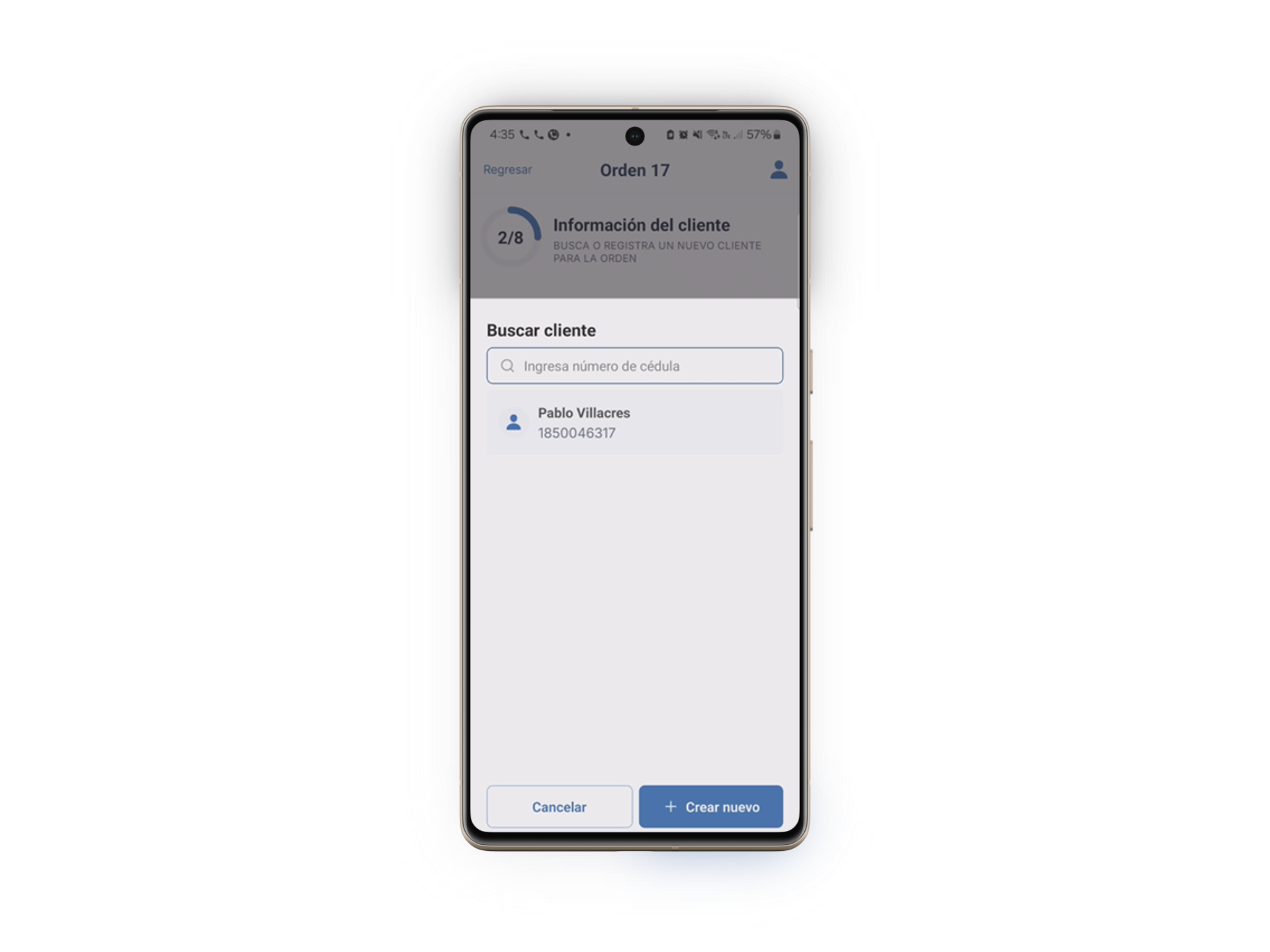
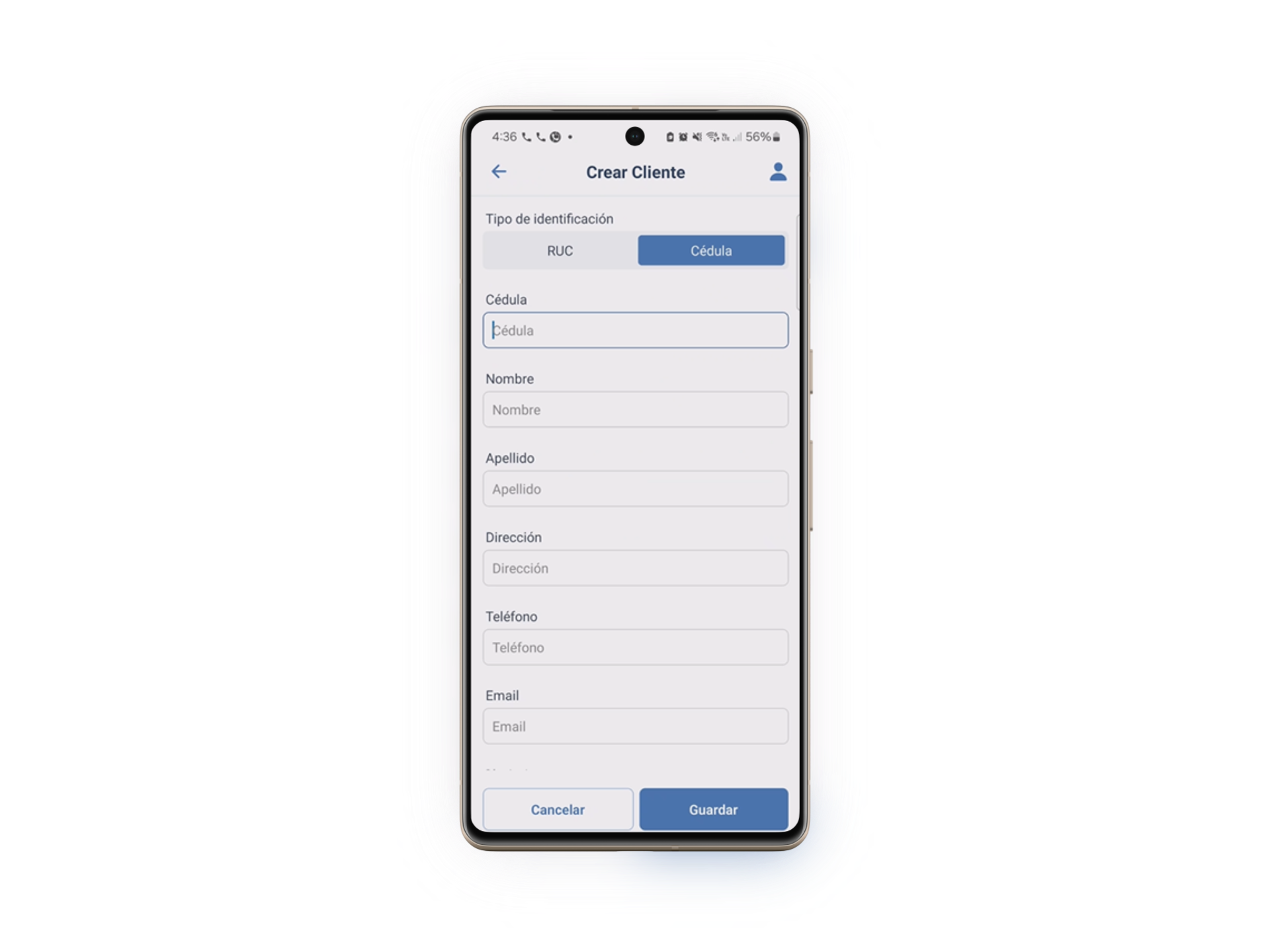
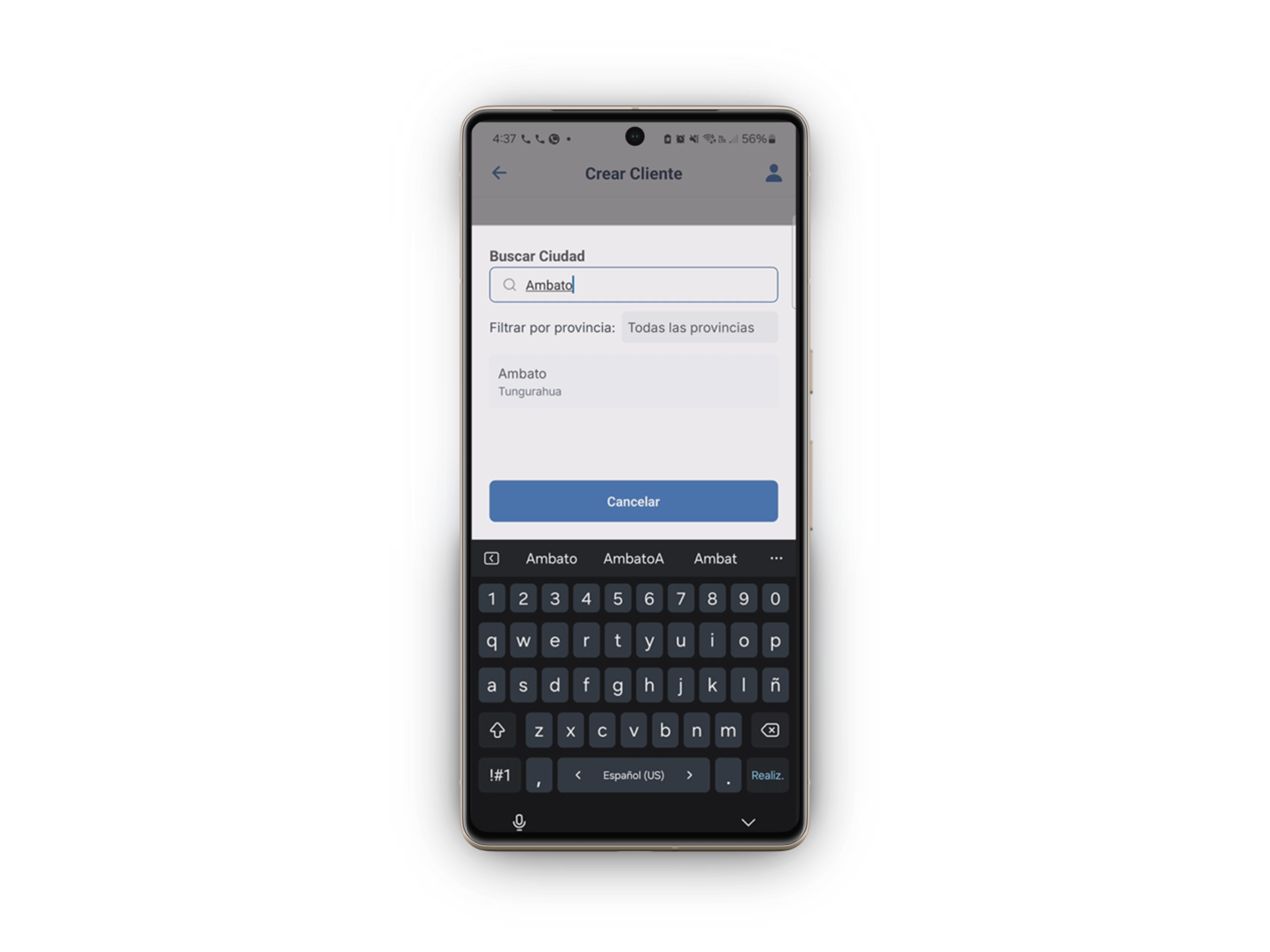

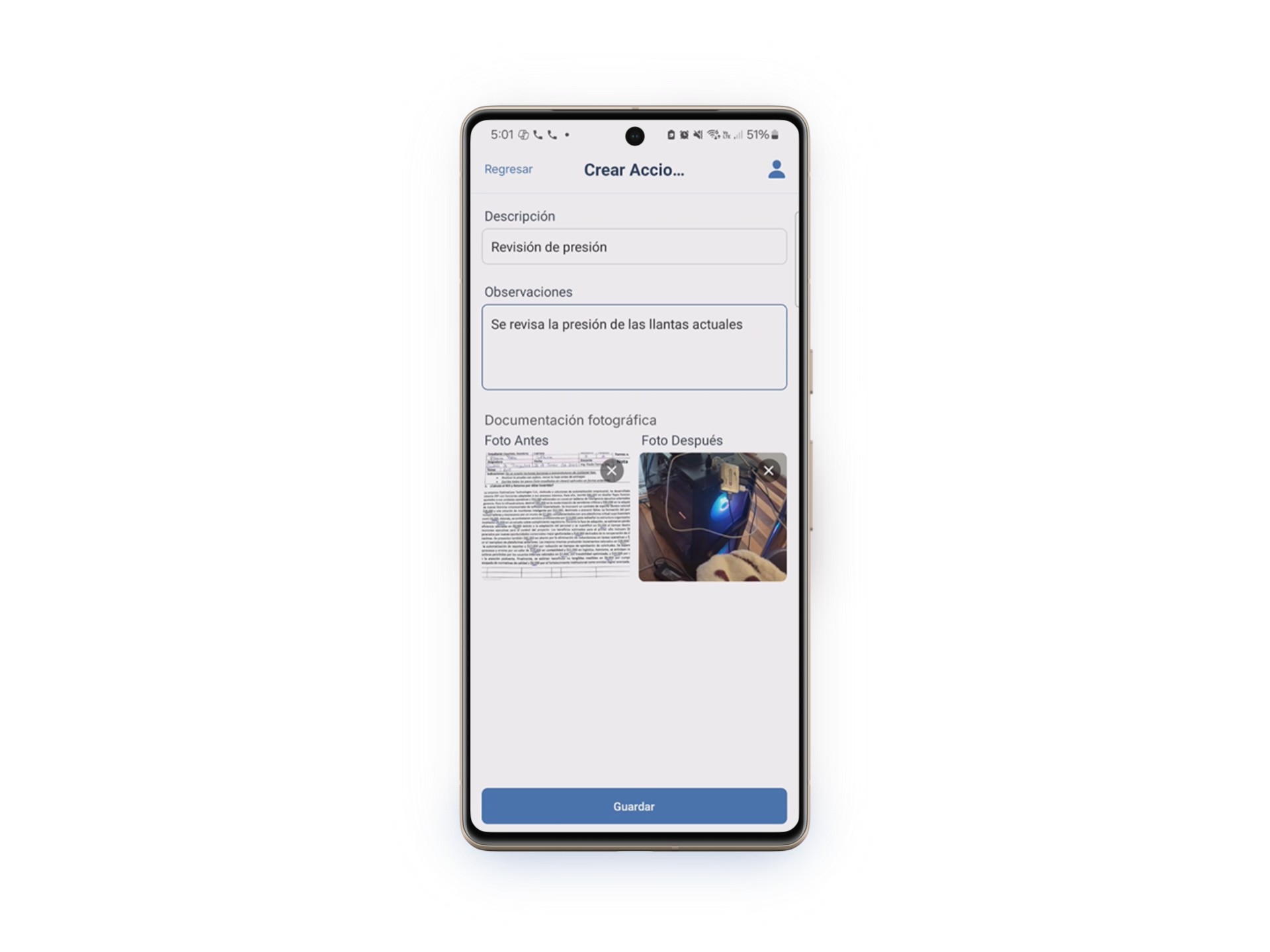
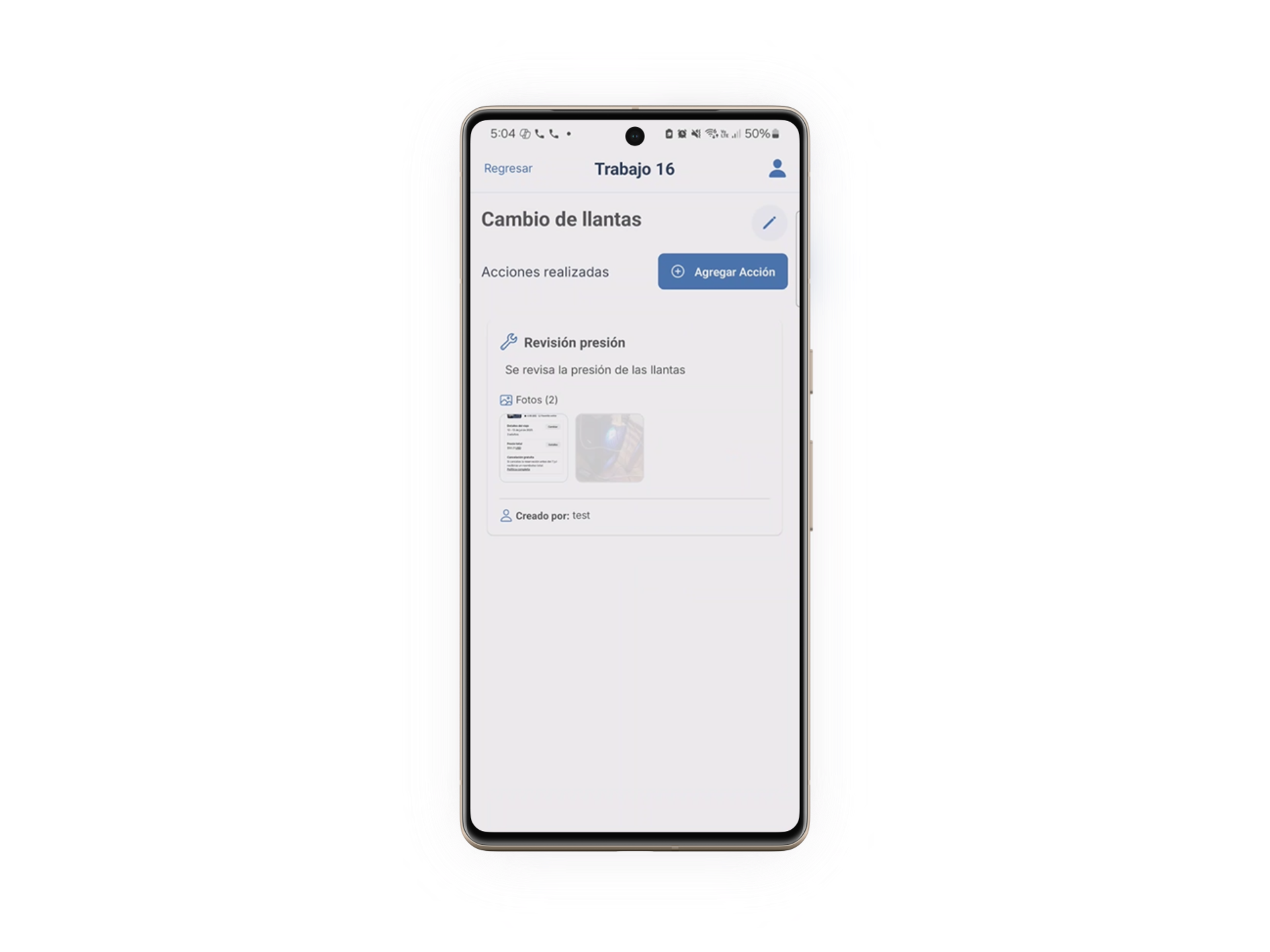
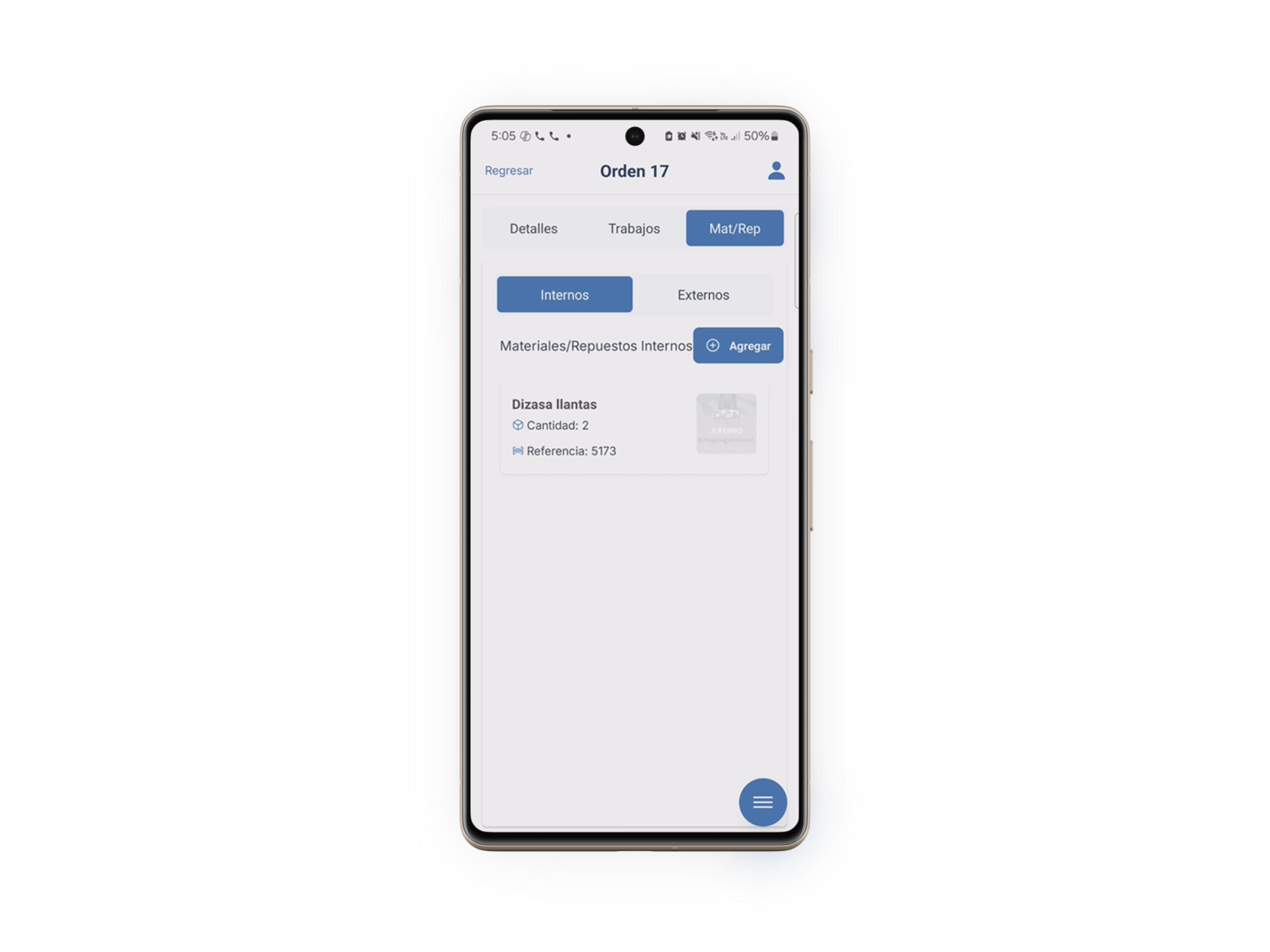
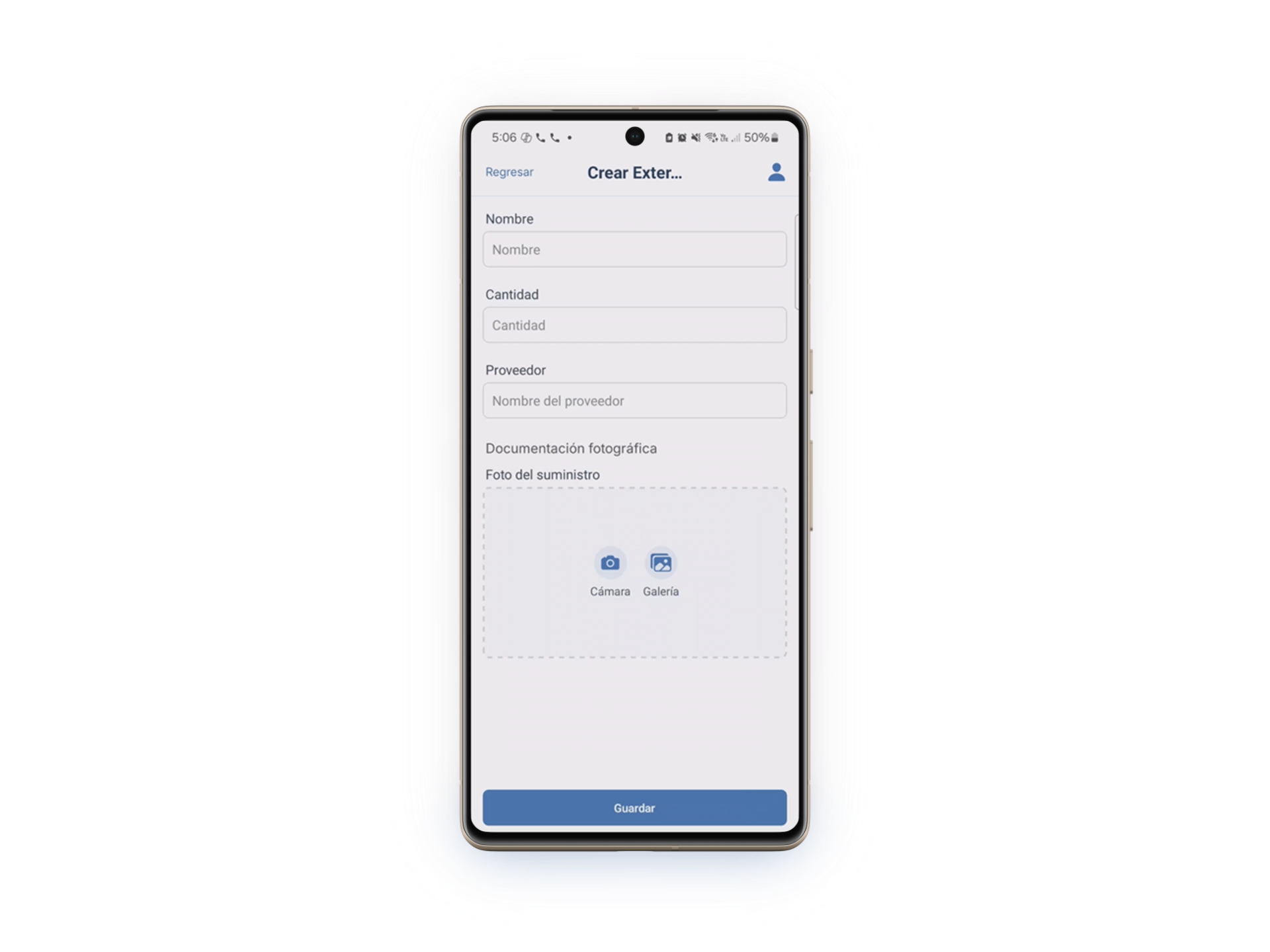
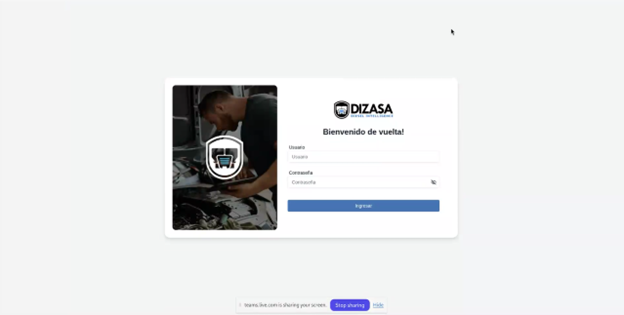
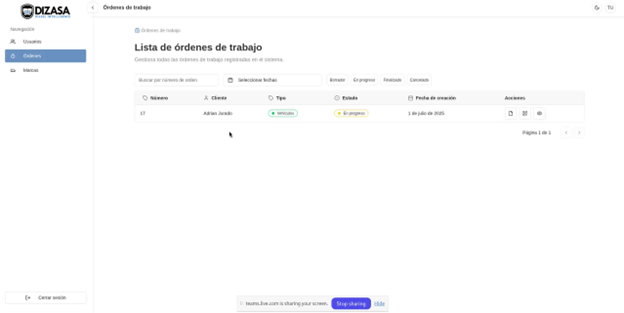


1 / 32
Team & Role
Full-Stack Developer & Frontend Lead
I worked in a focused team of 3 developers: José Camino handling the entire backend infrastructure with Ruby on Rails, Patricio Jiménez contributing to mobile development, and myself leading the frontend development across all platforms. The team maintained close collaboration through regular communication and shared technical decisions.
Responsibilities
Leading the complete frontend development for both mobile and web platforms
Implementing the entire mobile application using React Native and Expo
Developing the web admin panel and client portal using React.js
Designing and implementing the step-by-step work order creation system
Creating the dual PDF generation system for both mobile and web platforms
Establishing consistent UI/UX patterns across all three platforms
Collaborating with backend team to design API structure and data flow
Optimizing application performance and user experience across platforms
Key Achievements
Successfully delivered a complete multi-platform ecosystem with consistent user experience
Implemented an intuitive step-by-step process that significantly reduced user errors
Created a robust PDF generation system working seamlessly across mobile and web
Achieved excellent user experience optimization resulting in high client satisfaction
Delivered the project within timeline while maintaining high code quality standards
Established a scalable architecture that allows for future feature expansion
Team Members

Pablo Villacrés
Full-Stack Developer & Frontend Lead
- Mobile application development
- Web admin panel development
- Client portal development
- UI/UX implementation
- PDF generation systems

José Camino
Backend Developer
- Rails API development
- Database design and optimization
- Authentication system
- File storage integration
- Server deployment and maintenance

Patricio Jiménez
Mobile Developer
- Mobile UI components
- Camera and QR integration
- Mobile-specific optimizations
- Cross-platform testing
Technical Stack
Frontend Technologies
React Native
Cross-platform mobile application framework
Expo
Platform for React Native development with managed workflow
TypeScript
Strongly-typed language for enhanced development experience
React.js
Web application framework for admin panel and client portal
Gluestack UI
Component library providing consistent design system
TailwindCSS
Utility-first CSS framework for rapid UI development
React Hook Form
Form management with Zod validation integration
TanStack Query
Data fetching and server state management
Zustand
Lightweight state management for React applications
Expo Print
PDF generation capabilities for mobile platform
React PDF
PDF generation for web platform applications
Backend Technologies
Ruby on Rails
Full-stack web application framework
PostgreSQL
Advanced open-source relational database
JWT
JSON Web Tokens for secure authentication
Active Storage
Rails attachment framework for file management
Blackblaze B2
S3-compatible cloud storage for files and images
DevOps & Infrastructure
Docker
Containerization for consistent deployment
Contabo VPS
Virtual private server for backend hosting
Kamal
Rails deployment tool for containerized applications
Challenges & Solutions
Multi-Step Form State Management with Navigation Persistence
Creating a complex 8-step work order creation process that maintains state across navigation, allows users to return to their last completed step, and handles draft saving while ensuring data integrity.
Solution
I implemented a robust state management system using Zustand that persists step progress and form data. The system tracks completion status for each step and automatically redirects users to their last incomplete step when resuming a draft order.
Cross-Platform PDF Generation with Consistent Formatting
Implementing PDF generation that works consistently across mobile (using Expo Print) and web (using React PDF) while maintaining identical formatting, styling, and functionality.
Solution
I created a modular template system using HTML/CSS that works with both Expo Print and React PDF. The system uses shared template functions that generate consistent HTML structures while handling platform-specific optimizations.
Expo Router Performance Optimization
Initial implementation using nested Stack navigators throughout the app caused significant performance issues and rendering delays, particularly noticeable on lower-end devices.
Solution
I redesigned the navigation architecture to use Stack components more judiciously, implementing a flatter navigation structure and optimizing screen transitions. This included removing unnecessary nested stacks and implementing proper screen options for performance.
User Experience Optimization Across Multiple Platforms
Ensuring consistent and intuitive user experience across mobile app, web admin panel, and client portal while maintaining platform-specific best practices and optimizations.
Solution
I implemented a design system with platform-aware components and established UX patterns that work naturally on each platform while maintaining visual and functional consistency. This included touch-optimized interfaces for mobile and mouse-optimized interactions for web.
Learning Outcomes
New Skills Acquired
Multi-Platform Development
This project significantly expanded my capabilities in developing cohesive experiences across mobile and web platforms.
- Mastering React Native with Expo for mobile development
- Building responsive web applications with platform-specific optimizations
- Creating consistent design systems across different platforms
- Understanding platform-specific user experience patterns and limitations
Complex State Management
Implementing sophisticated state management for multi-step forms and cross-platform data synchronization.
- Advanced Zustand patterns for complex application state
- Form state persistence and recovery mechanisms
- Cross-platform data synchronization strategies
- Navigation state management in React Native applications
PDF Generation Systems
Developing robust document generation systems that work across different platforms and use cases.
- Template-based PDF generation using HTML/CSS
- Cross-platform compatibility between Expo Print and React PDF
- Dynamic content rendering and formatting
- File management and sharing across platforms
Technical Lessons
User Experience Design Principles
This project reinforced the critical importance of user-centered design in complex workflow applications.
- Step-by-step processes significantly reduce user errors and confusion
- Visual progress indicators improve user confidence and completion rates
- Platform-specific design patterns enhance user familiarity and adoption
- Consistent feedback and validation prevent user frustration
Performance Optimization Strategies
Learning to identify and resolve performance bottlenecks in React Native applications.
- Navigation architecture has significant impact on app performance
- Proper component optimization and memoization strategies
- Image optimization and lazy loading techniques
- Memory management in mobile applications
Cross-Platform Development Best Practices
Understanding the nuances and trade-offs of multi-platform development approaches.
- Code sharing strategies between mobile and web applications
- Platform-specific optimization without compromising consistency
- Testing strategies for multi-platform applications
- Deployment and maintenance considerations for multiple platforms
Areas for Improvement
Project Management and Client Relations
The project highlighted the need for better client boundary management and contract enforcement. While we delivered excellent technical results, clearer project scope definition and firmer contract adherence would have prevented scope creep.
Communication Processes
Establishing more structured communication protocols with both team members and clients would have improved project efficiency and reduced misunderstandings about requirements and timelines.
Testing Strategy
While the application works well, implementing a more comprehensive testing strategy from the beginning would have caught edge cases earlier and improved overall code quality.
Documentation Standards
Although the code is well-structured, more comprehensive API documentation and user guides would have facilitated better knowledge transfer and future maintenance.